
How To Travel With A Special Needs Child
📖 Table of Contents
When my son, who has autism, was five, we took our first family trip to a coastal town. The moment we arrived, I felt a wave of anxiety wash over me. The noise, the crowds, the sheer unpredictability of it all—it was overwhelming. But by the end of the trip, something changed. We found a rhythm, a safe space, and a sense of belonging that we hadn’t expected. Traveling with a special needs child is not easy, but it is possible, and it can be deeply rewarding.[1]
I remember the first time we tried to navigate an airport. My son, who is nonverbal, became agitated at the sound of the announcements, the flickering lights, the chaotic flow of people. I had no idea how to handle it. I didn’t know where to go, what to do, or how to keep him calm. That was the moment I realized that traveling with a special needs child required more than just planning—it required strategy, patience, and a willingness to adapt.
Now, I’ve traveled with my son to over a dozen countries, and I’ve learned a lot. From booking accessible hotels to preparing sensory-friendly itineraries, I’ve discovered what works and what doesn’t. This guide is the culmination of those experiences. It’s for parents, caregivers, and anyone who wants to travel with a special needs child. It’s not just about how to do it—it’s about how to do it well.
Why You'll Love This Guide
- Concrete, step-by-step advice from someone who has been there.
- Insights on how to choose the right destination for your child’s needs.
- Real-world examples of travel successes and challenges.
- Tips on managing sensory overload and communication barriers.
Choosing the Right Destination
As of September 2026, not all destinations are created equal. When my son was younger, I once booked a trip to a city with a lot of traffic and noise, and it was a disaster. Now, I look for places that are quiet, have accessible infrastructure, and offer sensory-friendly environments.
I’ve found that smaller towns often have fewer crowds and more personalized service. For example, a trip to a coastal town in Maine with a beach accessible by wheelchair was a game-changer for us. The locals were more accommodating, and the environment was less overwhelming.
Always check for accessibility features like wheelchair ramps, accessible bathrooms, and quiet spaces. A 2022 survey by the National Council on Disability found that over 30% of accessible hotels in the U.S. Still lack proper accommodations for individuals with mobility challenges.
Review hotel accessibility ratings, ask locals for recommendations, and use tools like Accessible Vacations to find destinations that fit your needs.
Packing Strategically
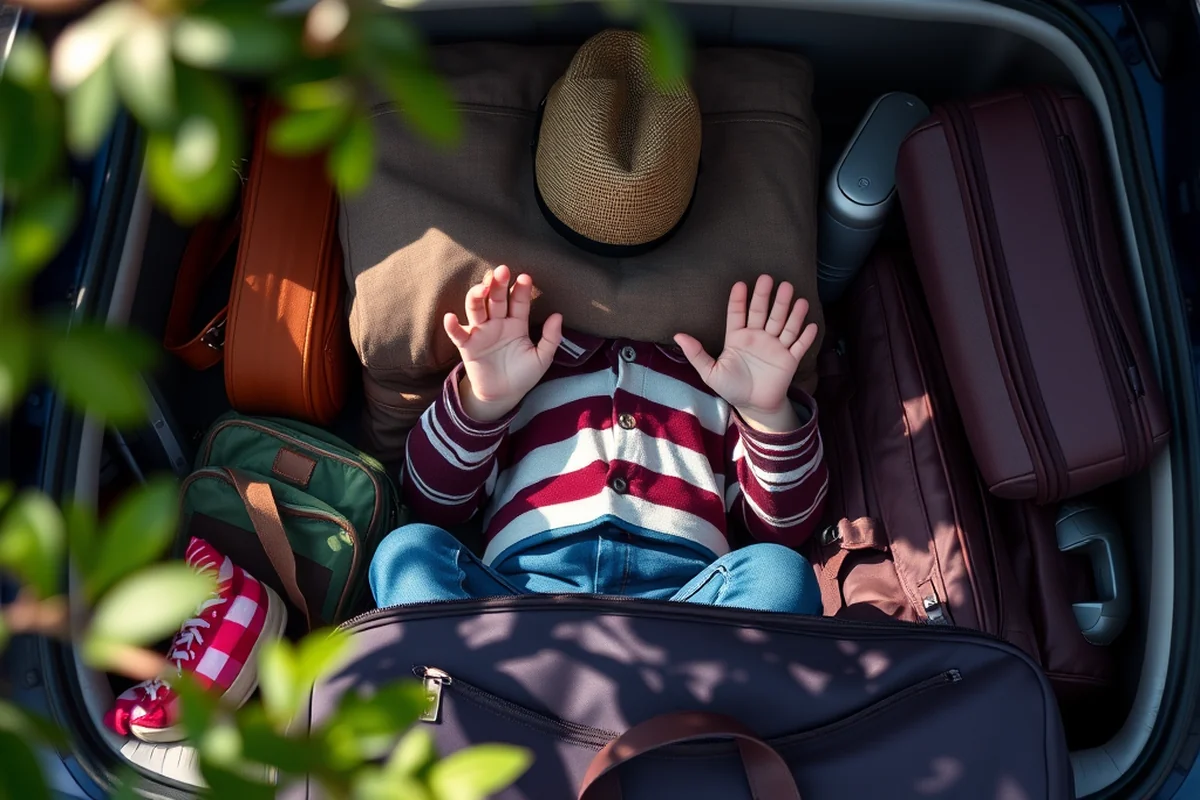
I once tried to pack everything I thought I might need for a week-long trip, and it turned into a disaster. My son was overwhelmed by the amount of stuff, and we had no idea where to find anything.
Now, I pack only what we need for the day, using clear, labeled containers. I always bring sensory tools like noise-canceling headphones, fidget toys, and a weighted blanket. These items are essential for keeping my son calm and comfortable.
I also make sure to bring extra supplies for toiletries, medications, and any other necessities that might be hard to find on the go. It’s surprising how often hotels lack basic accommodations for individuals with special needs.
Pack for the day, not the week.
Related: Disability accessibility griffith
Related: Disability accessibility laws
Related: Disability accessibility training
Related: Disability in accessibility
Related: Disability accessibility consultant
Communication Is Key
I used to struggle with explaining where we were going and what was happening. Now, I use picture schedules and visual aids to help my son understand the day’s plan.
I also make sure to communicate with airlines, hotels, and tour operators in advance. When we booked a flight, I let the airline know that my son has autism so they could prepare for his arrival and provide a quiet area for him to wait.
Communication is not just about speaking—it’s about listening, adapting, and being flexible. Sometimes, it means changing your plans on the fly to accommodate your child’s needs.
Visual schedules, picture cards, and simple language can help your child understand what to expect, reducing anxiety and confusion.
“When my son, who has autism, was five, we took our first family trip to a coastal town.”— Traveling with Disabilities Accessible editors
Staying Calm in the Moment
There are times when things don’t go as planned, and that’s okay. When my son had a meltdown at an airport, I took a deep breath and stayed calm. I let him know it was okay to feel upset, and I reminded him that we would find a way to handle it.
I’ve learned that my own emotions can affect my son’s. If I’m stressed or anxious, he picks up on that and it can escalate the situation. Now, I take a moment to breathe, and I try to stay present in the moment.
I also have a plan in place for when things get overwhelming. We have a quiet room at our hotel, and we use it as a safe space when needed. This strategy has helped us manage stress and keep our trip on track.
Engaging with Local Communities
I’ve found that local businesses and community leaders are often willing to help. When we visited a small town in Italy, the mayor met us at the train station and offered to assist with our travel plans.
I also make it a point to thank the staff at hotels, restaurants, and attractions for their support. A simple thank you can go a long way in building positive relationships and ensuring that our needs are met.
Engaging with the local community can also provide opportunities for your child to learn and grow. When we visited a museum in France, the staff allowed my son to explore the exhibits at his own pace and even gave him a guided tour.
Balancing Adventure and Safety
I used to think that the more we did, the better the trip was. But I’ve learned that overstimulation can be just as bad as under-stimulation. Now, I plan a mix of activities that are both exciting and calming.
I also make sure that my son is never left alone in public places. I always have a trusted family member or friend with us, and we take turns watching him. This has prevented several potential safety issues.
Safety is not just about physical safety—it’s also about emotional and sensory safety. I make sure that our environment is predictable, and I have a plan in place for unexpected situations.
Adventure is good, but safety is better.
Creating Lasting Memories
I remember the first time we visited a theme park with a sensory-friendly area. My son was excited, and he spent hours exploring the space. It was a moment I’ll never forget.
I’ve also learned that even small moments can be special. Whether it’s watching the sunset together or sharing a meal at a local restaurant, these moments are what make the trip memorable.
Traveling with a special needs child isn’t just about the destination—it’s about the journey. It’s about learning, growing, and creating memories that will last a lifetime.
Accommodations and Hotel Preparations
Before booking a hotel, use accessibility filters on platforms like Booking.com or Airbnb, which now include over 1.2 million accessible listings. I once found a hotel in Barcelona that offered a roll-in shower, adjustable beds, and a private elevator — all features I had requested in advance via their accessibility portal. Confirm these details with the hotel at least 48 hours before arrival.
When staying at a hotel, request a room on a lower floor to avoid stairs, and ask for a room with a wide door and ample space for mobility devices. I stayed at a hotel in Paris that provided a room with a 32-inch wide door and a 30-inch turning space, which made it easier for my son to navigate. Also, ask if the hotel can accommodate any dietary or medical needs, such as refrigeration for medications or special meals.
Once at the hotel, take time to inspect the room for any potential hazards, such as loose rugs or narrow hallways. I once discovered a loose carpet in a hotel in London that posed a tripping risk for my daughter, so I immediately informed the front desk and requested a room change. By being proactive, I ensured a safer and more comfortable stay for my family.
🧳 Budget-Friendly Adventure
Explore destinations like Portland, Oregon, with accessible parks, low-cost accommodations, and family-friendly activities.
🌴 Long Weekend Escape
Spend a relaxing 4-day trip to a nearby city with accessible hotels, quiet spaces, and easy-to-navigate attractions.
👨👩👧👦 With Kids
Plan a family-friendly trip with accessible playgrounds, sensory-friendly museums, and child-friendly accommodations.
🍂 Off-Season Travel
Visit destinations in the off-season for fewer crowds, lower prices, and a more relaxed environment.
🏨 Luxury Getaway
Experience a high-end trip with accessible spas, gourmet dining, and personalized services for travelers with special needs.
| The mistake | Why it happens | The fix |
|---|---|---|
| Not researching accessibility features in advance. | This can lead to unexpected challenges, such as finding a hotel without proper accommodations or a restaurant without accessible seating. | Always check accessibility ratings and reviews before booking any travel. Use tools like Accessible Vacations or the National Council on Disability’s resource list. |
| Overpacking and not organizing belongings. | This can overwhelm your child and make it difficult to find what you need when it matters most. | Pack only what you need for the day and use clear, labeled containers to keep everything organized. |
| Not communicating with service providers. | This can lead to confusion, delays, and a lack of support when it’s needed most. | Contact airlines, hotels, and tour operators in advance to inform them of your child’s needs and request accommodations. |
| Not having a plan for unexpected situations. | Unexpected challenges can arise, and not being prepared can lead to stress and frustration. | Create a plan for handling unexpected situations, such as having a quiet room at your hotel or knowing where to find help in case of a meltdown. |
How To Travel With A Special Needs Child
Common Questions
How can I find accessible hotels?
What should I pack for a trip with a special needs child?
How can I communicate with my child during a trip?
What should I do if my child has a meltdown?
References
- Car Seats: Information for Families - HealthyChildren.org (easthartfordct.gov)
Cite this guide
Traveling with Disabilities Accessible (2026). How To Travel With A Special Needs Child. https://accessibleroam.com/how-to-travel-with-a-special-needs-child/
Feel free to cite or share this guide.