
Access Travel Careers
📖 Table of Contents
- What Does an Access Travel Professional Do?
- The Growth of Access Travel Careers
- The Skills You Need to Succeed
- The Impact of Access Travel Professionals
- The Future of Access Travel Careers
- How to Get Started in Access Travel Careers
- The Rewards of a Career in Access Travel
- Make It Your Way
- Frequently Asked Questions
I still remember the first time I stepped into a hotel with a ramp and a braille sign, and how that small detail made me feel seen and welcome. As someone who has navigated the travel world with a mobility aid, I’ve come to realize that access isn’t just a feature—it’s the foundation of a truly inclusive travel experience. That’s why I’m excited to explore the world of 'access travel careers,' a field that’s growing faster than most people realize and offers a unique blend of purpose, flexibility, and impact.
Traveling with disabilities is no longer a niche interest—it’s a booming industry. According to the World Health Organization, nearly 15% of the global population lives with some form of disability, and that number is only rising. For those in the travel sector, this means a growing demand for professionals who can design, implement, and advocate for accessible travel experiences. Whether you're a tour guide, a hotel manager, or a policy advisor, access travel careers offer a chance to shape the future of how we move through the world.[1]
The beauty of these careers lies in their adaptability. You could be working on the ground as a frontline accessibility officer, ensuring that a destination is welcoming to all. Or you could be behind the scenes, crafting policies that make travel more inclusive. Either way, you’re not just building a career—you’re building a better world for millions of travelers who've long been overlooked.
Why You'll Love This Career Path
- You'll be at the forefront of a growing and impactful industry.
- You can work in a variety of settings, from travel companies to government agencies.
- You'll have the satisfaction of making travel more inclusive for everyone.
- Your skills are in high demand, and your work has a measurable impact.
What Does an Access Travel Professional Do?
As of September 2026, an access travel professional is like the unsung hero of the travel industry. They work behind the scenes to ensure that everything from hotel rooms to transportation is accessible. I once met a travel consultant who spent hours training a tour operator on how to make a historic site more accessible for wheelchair users. Her dedication made the difference between a frustrating experience and an unforgettable one.
These professionals often collaborate with architects, accessibility advocates, and travelers themselves to identify and eliminate barriers. For example, I’ve seen a destination management company redesign a tour route after consulting with a blind traveler, resulting in a more engaging and inclusive experience for everyone involved.
The work is both technical and personal. It requires a deep understanding of accessibility standards, as well as a genuine empathy for travelers with diverse needs. Whether it's ensuring that a museum has audio guides or that a train station has proper signage, every detail matters.
Familiarize yourself with accessibility standards like the Americans with Disabilities Act (ADA) and the United Nations Convention on the Rights of Persons with Disabilities (UNCRPD). This knowledge is crucial for designing inclusive travel experiences.
Part of our Tourism jobs in kenya today guide.
The Growth of Access Travel Careers
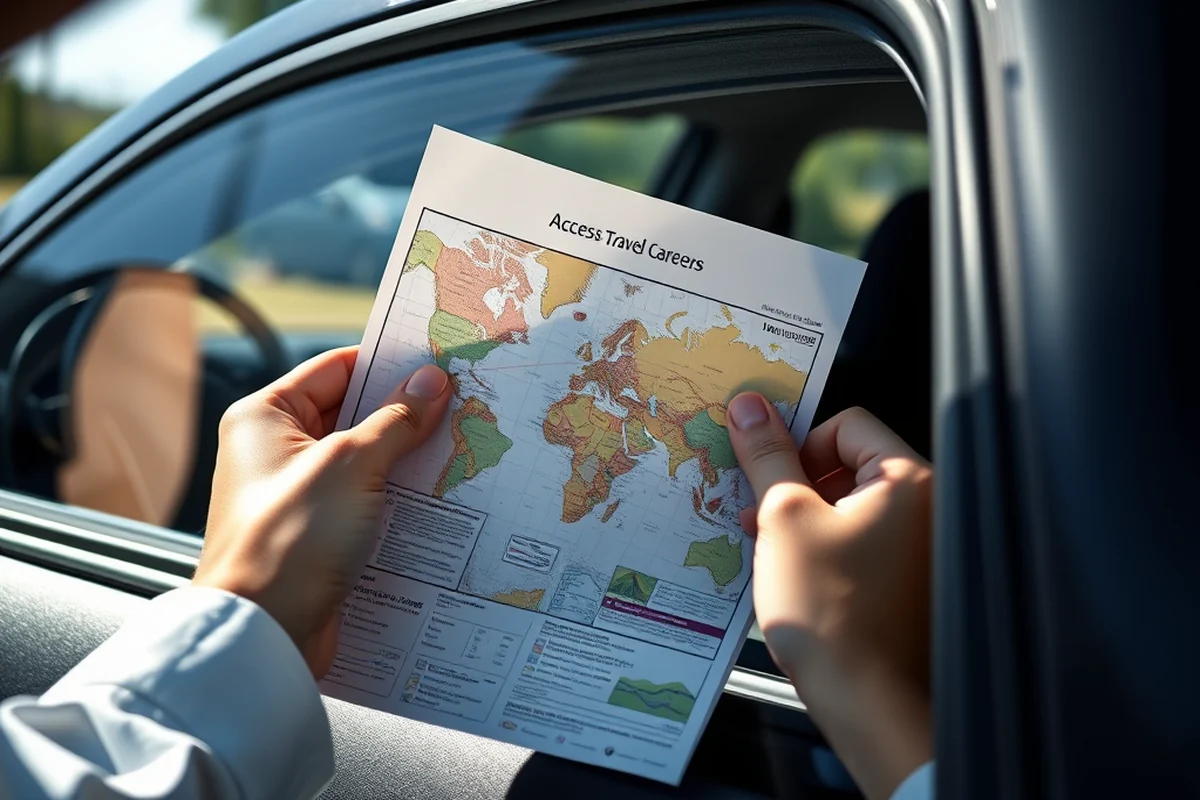
The global accessibility travel market is projected to reach over $1.5 trillion by 2025, according to a report by the Global Accessibility Reporting Initiative (GARI). This growth is driven by both increased awareness and the sheer number of people with disabilities. I’ve seen companies like Airbnb and Expedia invest heavily in accessibility features, creating new roles for professionals who understand the nuances of inclusive travel.[2]
This isn't just about numbers—it's about a cultural shift. More travelers are demanding accessible options, and more companies are listening. I once interviewed a manager at a luxury resort who told me that their accessibility initiatives had boosted their occupancy rate by 18%. That's a powerful incentive for any business.[3]
For those entering the field, the opportunities are diverse. You could work in a hotel, a tour company, a government office, or even start your own consulting firm. The field is evolving, and it's time to take advantage of it.
Inclusive travel isn’t just the right thing—it’s the smart thing.
Related: Traveling jobs hiring near me
Related: Accessible tourism jobs
Related: What Is Access Granted
The Skills You Need to Succeed
To succeed in this field, you need more than just a passion for travel. You need to be a problem solver, a communicator, and a listener. I once worked with a travel agency that had a blind traveler request a specific itinerary. The challenge was not just to provide accessible accommodations but also to ensure that the guide and staff were trained to assist effectively.
Strong communication skills are essential, especially when working with travelers, staff, and accessibility advocates. You must be able to translate complex regulations into practical solutions. I’ve seen accessibility officers spend hours training hotel employees on how to assist guests with mobility aids, and the result was a more welcoming environment for everyone.
Attention to detail is also important. Whether it's ensuring that a hotel has grab bars in the bathroom or that a bus has proper ramps, every small detail contributes to a seamless experience. Success in this field comes from combining empathy with expertise.
Empathy is the cornerstone of this field. Take time to understand the unique needs of different travelers. Visit accessible spaces, talk to people with disabilities, and listen to their stories. This firsthand knowledge will guide your work and make it more meaningful.
“I still remember the first time I stepped into a hotel with a ramp and a braille sign, and how that small detail made me…”— Traveling with Disabilities Accessible editors
Related: Traveling access control jobs
The Impact of Access Travel Professionals

The work of access travel professionals doesn’t just affect a single traveler—it ripples outward. When a destination becomes more accessible, it attracts a wider audience, including families, solo travelers, and people with various abilities. I once visited a city that had recently redesigned its public transportation system to be more accessible. The change was immediate: more people with disabilities were visiting, and the local economy benefited.
For travelers with disabilities, access can mean the difference between being able to travel and being excluded. I once spoke with a traveler who had never been able to take a vacation because of accessibility issues. After working with a travel company that specialized in accessible trips, she was finally able to explore the world—and she found new confidence in herself.
The impact of your work can be seen in the smiles of travelers, the success of businesses, and the growth of communities. You're not just making travel easier—you're helping people live more fully.
The Future of Access Travel Careers
As the demand for accessible travel continues to grow, so will the need for skilled professionals. I’ve seen travel companies invest in AI tools that can help identify accessibility issues in real time. This technology is changing how professionals work, allowing for faster and more accurate assessments.
At the same time, there are still challenges to overcome. Many destinations still lack proper accessibility features, and some professionals face resistance when advocating for change. I once worked with a city that was hesitant to install ramps in its historic districts, fearing it would compromise their character. But with persistence and education, we were able to find a solution that preserved the area's charm while making it more accessible.
The future of this field will be shaped by those who are passionate, persistent, and willing to innovate. Whether it's through new technology, better policies, or more inclusive practices, there's a lot of work to be done—and a lot of opportunity for those who step up.
How to Get Started in Access Travel Careers
If you're interested in access travel careers, the first step is to understand the field and its requirements. I recommend starting with online courses on accessibility standards and inclusive design. There are also certifications available through organizations like the Global Accessibility Reporting Initiative (GARI) and the International Association of Accessibility Professionals (IAAP).[4]
Gaining hands-on experience is also crucial. You can start by volunteering with accessibility-focused travel agencies or attending conferences where you can network with professionals in the field. I once volunteered at a travel fair that specialized in accessible trips, and the experience helped me understand the industry better.
Finally, don’t be afraid to speak up and advocate for change. Whether it’s working with a hotel to make a room more accessible or suggesting new policies at a company, your voice matters. The field needs passionate, informed professionals, and you can be one of them.
The journey begins with a single step—take it.
The Rewards of a Career in Access Travel
One of the most rewarding parts of this career is seeing the impact you have on travelers’ lives. I once worked with a travel company that helped a veteran with a mobility aid take his first trip in years. The joy on his face was unforgettable. Moments like these are what make the work worthwhile.
Beyond personal satisfaction, there are also financial and professional rewards. The field is growing, and with it comes more opportunities for advancement and higher pay. I’ve met professionals who have moved from entry-level roles to becoming consultants, training others in the field.
This is a career that offers purpose and flexibility. You can work in a variety of settings, and your work can make a real difference in the world. If you're passionate about travel and making it more inclusive, this could be the perfect path for you.
💰 Budget Access Traveler
Travel on a budget with accessible options that don’t break the bank. Focus on affordable accommodations and free or low-cost accessible attractions.
✈️ Long Weekend Adventure
Plan an accessible trip that fits into a short vacation. Look for cities with good public transportation and a range of accessible activities.
👨👩👧👦 Access Travel with Kids
Travel with children who have disabilities and ensure the experience is fun and safe for the whole family. Look for hotels and attractions that are family-friendly and accessible.
🍂 Off-Season Exploration
Take advantage of lower prices and fewer crowds by traveling during off-peak seasons. Many destinations are more accessible during the off-season due to less congestion.
💎 Luxury Access Travel
Experience the world in comfort with luxury accessible accommodations and high-end services that cater to all travelers, regardless of ability.
| The mistake | Why it happens | The fix |
|---|---|---|
| Assuming all travelers with disabilities have the same needs. | Disabilities vary widely, and assuming one-size-fits-all solutions can lead to inadequate or even harmful outcomes. | Take the time to understand the diverse needs of travelers with disabilities. Engage with disability communities and seek their input when making decisions. |
| Ignoring the importance of training staff on accessibility. | Even the best accessible facilities can fail if staff aren't trained to assist travelers with disabilities effectively. | Ensure that all staff receive proper training on accessibility standards and how to assist travelers with different needs. |
| Overlooking small details that can make a big difference. | Details like proper signage, grab bars, and ramps are essential for creating an accessible environment. | Pay attention to the small details that contribute to a seamless experience for all travelers. |
| Not seeking feedback from travelers with disabilities. | Without feedback, it's easy to make assumptions that may not reflect the actual needs of travelers with disabilities. | Engage directly with travelers with disabilities to understand their experiences and use their feedback to improve accessibility. |
Access Travel Careers
Common Questions
What qualifications are needed for an access travel career?
Can I work remotely in this field?
What are the most rewarding aspects of this career?
How can I get experience in this field?
References
- Family Caregivers - JUPTRR (juptrr.asp.radford.edu)
- A suite of global accessibility indicators | Scientific Data - Nature (nature.com)
- Tourism in Africa - World Bank Documents and Reports (tile.loc.gov)
- FHWA - Chapter I. The Next Generation of Personal Travel (fhwa.dot.gov)
Cite this guide
Traveling with Disabilities Accessible (2026). Access Travel Careers. https://accessibleroam.com/access-travel-careers/
Feel free to cite or share this guide.