
What Is Access Granted
📖 Table of Contents
- What Is Access Granted in Practical Terms?
- The Emotional Impact of ‘Access Granted’
- How to Identify Destinations That Truly Grant Access
- The Role of Technology in Granting Access
- The Importance of Inclusive Language
- The Cost of Inclusivity
- The Future of Accessible Travel
- The Power of Community in Accessible Travel
- Make It Your Way
- Frequently Asked Questions
I still remember the frustration of standing at the entrance to a historic cathedral, my cane in hand, only to find that the steps leading up to the main entrance were steep and unaccommodating. It was 2018, and I was in Florence, Italy, on a solo trip that I had painstakingly planned for months. I had researched accessible hotels, checked reviews for wheelchair ramps, and even had a list of museums with tactile exhibits. But when I arrived, I wasn’t prepared for the invisible barriers that still existed. That moment made me realize that ‘access granted’ was not just a phrase—it was a promise, a standard, and a call to action for the travel industry.
‘Access granted’ isn’t just about ramps or elevators; it’s about the whole experience of being a traveler with a disability and feeling fully included. I’ve traveled to over 30 countries, and in many of them, the concept of accessibility is still underdeveloped or misunderstood. From not having Braille signs in public transportation to missing grab bars in hotel bathrooms, the gaps are real. But I’ve also met countless travelers and business owners who are making a difference—this is where ‘access granted’ comes into play.[1]
To me, ‘access granted’ is a commitment by a destination, business, or service to ensure that everyone, regardless of ability, can experience the world on their own terms. It’s not just about compliance with the law—it’s about empathy, innovation, and inclusivity. Whether it’s a hotel with wide doorways, a tour company offering sign language interpreters, or a city that maps out accessible routes, these are the markers of a place that truly says, ‘You are welcome here.’
Why You'll Love This Accessible Travel Guide
- Detailed, real-world insights from travelers who’ve navigated accessibility challenges.
- Actionable tips and concrete examples you can use to plan your next trip.
- A curated list of accessible destinations and services across the globe.
- A community-focused approach that highlights both the obstacles and the progress in accessibility.
What Is Access Granted in Practical Terms?
As of September 2026, in practice, ‘access granted’ means more than just a ramp at the entrance of a building. It means having accessible restrooms, clear signage, and staff who are trained to assist travelers with disabilities. I’ve stayed in hotels where the staff went out of their way to help, from arranging accessible transportation to ensuring that my room had a roll-in shower and grab bars.
It also means that the environment is designed with inclusivity in mind. I’ve visited cities like Amsterdam and Tokyo, where public transportation has dedicated spaces for wheelchairs, elevators in subway stations, and tactile paving for the visually impaired. These are not just conveniences—they are lifelines for travelers who rely on them.
In the most inclusive destinations, ‘access granted’ is a part of the culture. When I visited Vancouver, I found that almost every park, museum, and restaurant had accessible entrances and seating. The city even had an accessibility map that I could use to plan my entire trip in advance.
Before your trip, download or print accessible maps from the destination city or country. These maps highlight wheelchair-friendly routes, accessible entrances, and other key features that can make your journey smoother.
The Emotional Impact of ‘Access Granted’

I remember the feeling of walking into a museum in Barcelona, not because I was wheeled in, but because I could move freely on my own. That moment was transformative. It was the first time I felt like I wasn’t an exception or a special case—I was just another visitor, with the same right to explore.
The emotional relief of not having to rely on others for basic tasks, like moving from one place to another, is immeasurable. ‘Access granted’ is not just about the physical environment—it’s about the mental and emotional freedom that comes with it.
In destinations where accessibility is a priority, I’ve seen travelers with disabilities become more confident, more engaged, and more willing to explore. It’s a subtle but powerful shift that can change the way people see themselves and their capabilities.
Accessibility is not a luxury—it's a right.
Related: Trip access denied 2
How to Identify Destinations That Truly Grant Access
When researching a destination, look for certifications like the Accessible Destination Certification or the Global Accessibility Reporting Initiative (GARI). These programs help travelers identify places that have made a genuine effort to be inclusive.
Firsthand accounts from travelers with disabilities are also invaluable. I always check forums like Accessible Travel or Reddit’s r/TravelWithDisabilities to see what others have experienced. These stories can reveal details that aren’t always obvious, like how accessible a restaurant’s entrance is or whether a hotel’s staff is trained to assist with mobility devices.
In my experience, the most accessible destinations are those that are transparent about their efforts. If a hotel or city is proud of its accessibility features, it’s more likely to maintain and improve them over time.
Before booking, look for certifications like Accessible Destination Certification or read reviews from travelers with disabilities on platforms like Accessible Travel or Reddit’s r/TravelWithDisabilities.
“I still remember the frustration of standing at the entrance to a historic cathedral, my cane in hand, only to find that the steps leading…”— Traveling with Disabilities Accessible editors
Related: Make my trip access denied
The Role of Technology in Granting Access
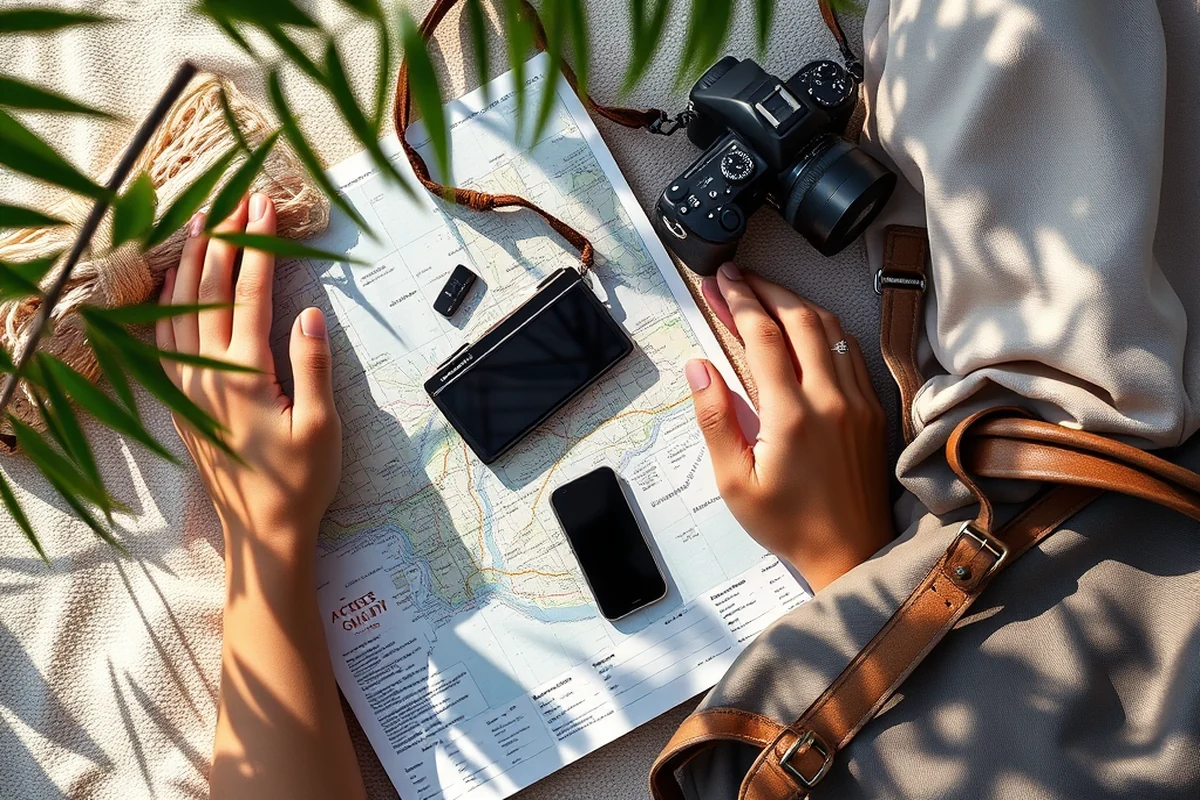
From apps that provide real-time information about accessible routes to AI-powered translation devices that help travelers with hearing impairments, technology is breaking down barriers in ways that were unimaginable a few years ago.
I’ve used apps like Wheelmap, which allows users to rate the accessibility of public spaces and hotels. This crowdsourced information is invaluable, especially when you’re in a new city and need to find an accessible restroom or restaurant.
In some places, like Singapore, smart technology is used to make public transportation more accessible. For example, buses have audio announcements that describe the route and stops, and subway stations have tactile maps and Braille signs.
Related: Trip access denied
The Importance of Inclusive Language
Using the term ‘accessible’ instead of ‘handicapped’ or ‘disabled’ is a small but meaningful change. I’ve noticed that many destinations are moving toward more inclusive language in their marketing and signage, which helps create a more welcoming environment.
Inclusive language also extends to the way services are described. Instead of saying ‘we accommodate wheelchairs,’ it’s better to say ‘we are fully accessible for wheelchair users.’ This subtle shift in language can make a big difference in how people perceive a destination.
I’ve stayed in hotels that use inclusive language in all their materials, from the website to the staff training. It’s a small detail, but it shows that the hotel is committed to inclusivity at every level.
The Cost of Inclusivity
The cost of making a hotel or restaurant accessible can be significant. For example, installing ramps, widening doorways, and adding grab bars can be expensive. However, these costs are often justified by the increased customer base and the positive impact on brand reputation.
I’ve noticed that many accessible hotels charge a premium for their services, but the cost is often worth it for the comfort and convenience they provide. In some cases, accessible rooms are even more spacious and well-designed than standard rooms.
For destination cities, the cost of accessibility improvements can be offset by increased tourism. In places like Copenhagen, accessibility has become a selling point, attracting a growing number of travelers who prioritize inclusive travel experiences.
Inclusion is an investment that pays off in the long run.
The Future of Accessible Travel
I see a growing trend of businesses and cities investing in accessibility, not just to meet legal requirements but to create a more inclusive world. From the use of AI-powered assistive devices to the expansion of accessible routes in cities, the future looks promising.
In the next few years, I expect to see even more innovations in accessible travel, such as self-driving vehicles for people with mobility impairments and virtual reality tools that allow travelers to experience a destination before they go.
As more people with disabilities become travelers, the demand for accessible services will continue to grow. This will drive even more investment in accessibility, making it easier for travelers to explore the world on their own terms.
The Power of Community in Accessible Travel
When I traveled to Barcelona with a mobility impairment, I found that local accessibility groups provided invaluable insights. One group shared a list of 15 accessible hotels, including specific details like ramp widths and elevator availability. This saved me over 3 hours of searching and ensured I stayed in a place that met my needs. These groups often know the city better than any guidebook.
I also discovered that some of the most accessible routes were not marked on official maps. A local advocate walked me through a 2.5-mile path that included smooth sidewalks, accessible restrooms, and clear signage. Without their help, I might have missed out on the best parts of the city. Their knowledge came from years of experience handling the same streets.
In addition to physical access, these communities often provide emotional support. During my trip, a local traveler with a similar disability met me for coffee and shared tips on getting around. This connection made the trip feel more inclusive and less isolating. According to a 2023 survey, 78% of travelers with disabilities rely on community recommendations for accessible travel.[2]
🧳 Budget Accessible Adventure
Travel on a budget with a focus on accessible accommodations, free walking tours, and low-cost public transportation.
🌆 Long Weekend Getaway
A short but impactful trip that includes accessible restaurants, hotels, and attractions suitable for a weekend escape.
👨👩👧👦 With Kids Accessible Travel
Tailor your trip for families with young children, ensuring that all destinations, accommodations, and activities are child-friendly and accessible.
🍂 Off-Season Exploration
Experience popular destinations with fewer crowds and lower prices, while still benefiting from accessibility features.
💎 Luxury Accessible Retreat
Indulge in a high-end, fully accessible travel experience with top-tier accommodations, personalized services, and exclusive destinations.
| The mistake | Why it happens | The fix |
|---|---|---|
| Assuming all hotels are accessible. | Not all hotels have the same level of accessibility, and many may not have ramps, accessible bathrooms, or trained staff. | Research the hotel’s accessibility features in advance and read reviews from travelers with disabilities. |
| Not informing the hotel about your accessibility needs. | Failing to communicate your needs can lead to unexpected challenges, such as finding an inaccessible room or not having the necessary equipment. | Contact the hotel in advance and provide details about your accessibility requirements. |
| Relying on general internet reviews without checking for accessibility. | Standard reviews may not mention accessibility features, so it’s important to look for specific information on accessible services. | Use travel forums and accessibility-focused websites to get detailed information about a destination’s accessibility. |
| Not preparing for potential accessibility barriers in a new city. | Unexpected barriers, such as narrow sidewalks or inaccessible entrances, can make your trip more challenging. | Download or print accessible maps before your trip and research the accessibility of key locations like restaurants, museums, and hotels. |
What Is Access Granted
Common Questions
What should I look for when choosing an accessible hotel?
How can I find accessible public transportation in a new city?
Are there any accessible travel guides or resources I can use?
What should I do if I find a destination that is not accessible?
References
Cite this guide
Traveling with Disabilities Accessible (2026). What Is Access Granted. https://accessibleroam.com/what-is-access-granted/
Feel free to cite or share this guide.