
Accessible Tourism Definition
📖 Table of Contents
- What Is Accessible Tourism?
- How Is Accessibility Implemented in Tourism?
- The Importance of Inclusive Design
- The Role of Technology in Accessible Tourism
- The Benefits of Accessible Tourism for All Travelers
- The Impact of Accessible Tourism on Local Communities
- The Future of Accessible Tourism
- Make It Your Way
- Frequently Asked Questions
I still remember the first time I visited a destination that truly embraced accessible tourism — the seamless way the staff communicated, the thoughtful layout of the attractions. The sheer effort to make everything feel inclusive. It wasn’t just about ramps or elevators; it was about being treated as a valued guest. That trip redefined my understanding of what accessible tourism is, and it inspired me to write this article, which explores the definition and meaning behind accessible tourism.[4]
Accessible tourism is more than a buzzword — it’s a movement that changes how we plan, experience, and remember our travels. It’s not just about physical accessibility, but also about cultural, sensory, and emotional accessibility. Whether it’s a traveler with a mobility impairment, a parent with a stroller, or someone with cognitive differences, accessible tourism ensures that everyone can fully participate and enjoy their journey.
This article is for anyone who wants to understand the true meaning of accessible tourism. I’ll share what it means, how it’s implemented, and why it matters — not just for people with disabilities, but for everyone. If you’ve ever wondered how to plan a trip that’s truly inclusive, or if you’re looking to be a more responsible traveler, you’re in the right place.
Why You'll Love This Article
- Gain a deep understanding of what accessible tourism truly means.
- Discover practical examples of accessibility in action.
- Learn how to plan trips that are inclusive for all.
- Be inspired to support and advocate for accessible travel.
What Is Accessible Tourism?
As of August 2026, Accessible tourism is the movement to make travel inclusive and welcoming for everyone — whether you're using a wheelchair, have a visual impairment, are elderly, or simply need accommodations for a stroller or medical condition. It’s not just about physical access, but also about inclusivity in design, communication, and service.[1]
One of the clearest examples I’ve seen was in Lisbon, where I stayed at a hotel that had all rooms on the first floor, wide doorways, and Braille signage. The staff were trained in sign language, and the hotel even had a service animal-friendly area. It was clear that accessibility was a top priority, not just a checkbox.
At its core, accessible tourism means designing and offering services that allow people of all abilities to travel with dignity, safety, and joy. It’s about removing barriers — both physical and social — and ensuring that everyone can participate fully in the travel experience.
Contact the destination, hotel, and attraction in advance to confirm what accommodations are available. This helps you prepare and ensures the best experience.
How Is Accessibility Implemented in Tourism?
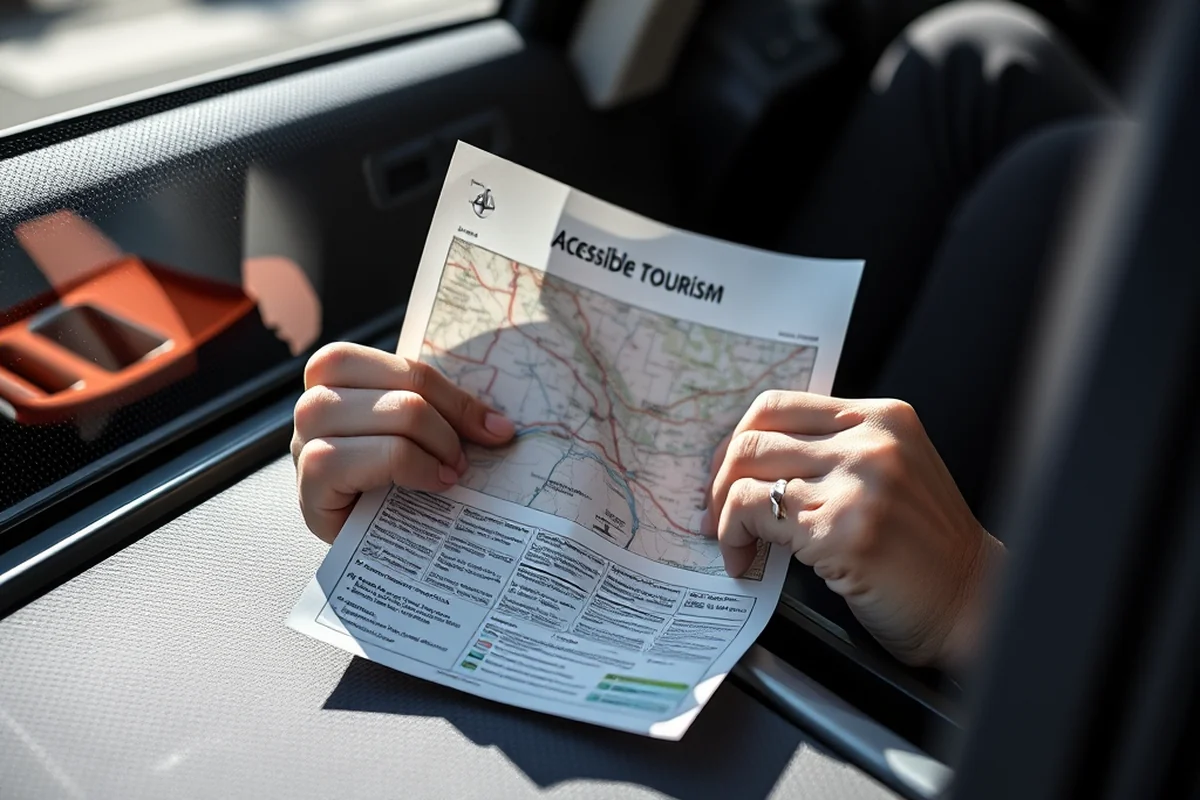
From physical infrastructure to digital accessibility, every aspect of a trip can be made more inclusive. I once visited a museum in London where all exhibits had audio descriptions, tactile models, and were arranged in a way that made handling the space easier for visually impaired visitors.
Training is also a huge part of accessibility. During a recent trip to a resort in Bali, the staff were all trained in basic sign language and knew how to help guests with mobility impairments. The effort made a huge difference in how comfortable and welcome I felt.
Policies also play a role. For example, some airlines now provide priority boarding for travelers with disabilities, and some destinations offer accessible transportation options. These changes are making travel more inclusive for more people.
Accessibility is not a one-size-fits-all solution — it’s about meeting people where they are.
Related: Accessible is traveling
Related: Accessible vs available
Related: Accessible tourism guidelines
Related: Accessible trip brazil
Related: Accessible to vs accessible for
The Importance of Inclusive Design
Inclusive design is about creating spaces and services that are usable by as many people as possible. I once visited a city in Germany where the streets had tactile paving, wide sidewalks, and audible crosswalk signals — all of which made walking easier for people with visual impairments.
Another example is the use of ramps and elevators in places like Rome, where many historic sites now have accessible entrances. This allows people who use wheelchairs to explore the same places as others, without needing to be carried or excluded.
Inclusive design also extends to digital platforms. Many travel websites now have screen reader compatibility and high-contrast options, which make it easier for people with visual impairments to plan their trips.
If you encounter a barrier, speak up. Let the destination know where improvements are needed — your feedback can lead to real change.
“I still remember the first time I visited a destination that truly embraced accessible tourism — the seamless way the staff communicated, the thoughtful la”— Traveling with Disabilities Accessible editors
The Role of Technology in Accessible Tourism

From apps that help navigate cities to smart hotel rooms with voice-controlled features, technology is making it easier for travelers with disabilities to plan and experience their trips. I once used an app in Paris that provided real-time information about accessible routes and entrances — it was a game-changer for my trip.
Some airports now use AI-powered assistance systems that can help travelers with mobility impairments navigate through the terminal. Others offer apps that let you book accessible parking spots in advance, which can be a huge relief on busy travel days.
Even virtual reality is being used to give people with disabilities a chance to experience destinations before they travel — something I found incredibly helpful in planning my next trip.
The Benefits of Accessible Tourism for All Travelers
I once traveled with my father, who uses a cane, and I was amazed by how many places were designed with accessibility in mind. From easy-to-navigate streets to hotels with grab bars in the bathrooms, it made his trip much more comfortable and stress-free.
Parents with strollers also benefit from accessible tourism. I remember visiting a theme park in Orlando where all rides had accessible options — from ramp access to specialized seating. It made the experience better for everyone, not just those with disabilities.
Accessible tourism also makes travel safer for people with temporary injuries. For example, I once needed to use crutches after an accident, and I was surprised by how many places had ramps and wide doorways. These features made it easier to move around and enjoy the trip without added stress.
The Impact of Accessible Tourism on Local Communities
When destinations invest in accessibility, they often see an increase in visitors — including those who may not have been able to travel before. I visited a small town in Italy where the local government had recently installed ramps and tactile paving, and I noticed a noticeable increase in tourism, including many families with children and older travelers.
Local businesses also benefit when accessibility is prioritized. I stayed at a boutique hotel in Barcelona that had all the accessibility features I needed. The owner told me that the change in design had led to a 25% increase in bookings from travelers with disabilities.[2]
Accessible tourism also promotes inclusivity and respect within communities. It sends a message that everyone is welcome, and that can create a more welcoming and diverse environment for all visitors.
When we make travel more accessible, we make communities more welcoming.
The Future of Accessible Tourism
As more travelers demand accessibility, the industry is responding with better infrastructure, training, and inclusive policies. I recently attended a conference where I heard about a new initiative to train travel professionals worldwide in accessibility — a step that’s long overdue and much needed.
Technological advancements are also playing a big role. From AI-powered navigation assistants to smart hotel rooms with voice control, the future is full of possibilities. Some destinations are even experimenting with drone-assisted tours for people with mobility impairments.
The future of accessible tourism is about creating a world where everyone can travel with ease, dignity, and joy — and I believe we’re just getting started.
💰 Budget Accessible Trip
A 4-day journey through a city with affordable accommodations, free accessible transportation, and low-cost attractions.
🛏️ Long Weekend Getaway
A 3-day trip with accessible hotels, short travel times, and flexible itineraries that work for busy schedules.
👨👩👧👦 Family-Friendly Accessible Adventure
A 6-day trip focused on accessible family-friendly destinations, including parks, beaches, and interactive museums.
🍂 Off-Season Accessible Journey
A 7-day trip in the off-season, with lower prices, fewer crowds, and fewer accessibility challenges.
💎 Luxury Accessible Experience
A 10-day trip with high-end accessible accommodations, private guides, and exclusive experiences.
| The mistake | Why it happens | The fix |
|---|---|---|
| Assuming all places are accessible without checking ahead of time. | Not all destinations have the same level of accessibility, and some may not have the necessary accommodations in place. | Always research and confirm accessibility details before booking your trip. Contact the destination directly for the most accurate information. |
| Not planning for additional needs, like medical supplies or medications. | Traveling with disabilities often requires extra planning, and not accounting for these needs can lead to unexpected challenges. | Pack all necessary medical supplies and medications, and make sure you have access to a pharmacy or medical facility at your destination. |
| Expecting accommodations to be available without requesting them. | Accessibility is not always automatic, and many services need to be requested in advance. | Contact the hotel, attraction, or service provider ahead of time to confirm that accommodations are available and to make any necessary arrangements. |
| Not using accessible transportation options. | Some cities have limited accessible public transportation, and relying on regular buses or trains may not be feasible for all travelers. | Research accessible transportation options in advance, and consider using private services like accessible taxis or ride-sharing apps with wheelchair-friendly vehicles. |
Accessible Tourism Definition
Common Questions
How can I find accessible accommodations?
What should I do if I encounter a barrier during my trip?
Are there accessible transportation options available in most cities?
Can I use my own wheelchair or mobility aid at most destinations?
Cite this guide
Traveling with Disabilities Accessible (2026). Accessible Tourism Definition. https://accessibleroam.com/accessible-tourism-definition/[3]
Feel free to cite or share this guide.
References
- Travel Patterns of American Adults with Disabilities (bts.gov)
- Accessible Tourism the Tourism without Barriers in Architecture and ... (academia.edu)
- ADA Accessibility Standards - Access-Board.gov (access-board.gov)
- What is an Accessible Trail? - Belmont, MA (belmont-ma.gov)