
Disabled Accessible Holidays
📖 Table of Contents
- Why Accessibility Matters in Travel
- Choosing the Right Destination
- Accommodations That Work for You
- Getting Around with Ease
- Planning the Perfect Itinerary
- The Role of Technology in Accessible Travel
- Making the Most of Your Trip
- Navigating Cultural and Language Barriers with Disabilities
- Make It Your Way
- Frequently Asked Questions
The morning I arrived at the beach resort, I knew right away that this trip was going to be different. The ramp leading to the pool was smooth, the accessible rooms had grab bars in the right places, and the staff greeted me with a genuine smile. It was the first time I'd been on a vacation that felt truly inclusive and accessible. Planning disabled accessible holidays isn’t just about avoiding barriers — it’s about creating space for joy, independence and connection with the world.[4]
For years, I avoided planning trips because I worried about accessibility. I’d read about inaccessible bathrooms, steps that couldn’t be navigated with a wheelchair, or tour guides who didn’t know how to assist. But when I finally found a place that was truly accessible — from the entrance to the final stop on the tour — I realized that disabled accessible holidays are not only possible. Also deeply rewarding. The key is knowing where to look and what to ask.
Now, I plan trips with the same confidence I once reserved for restaurant reservations or movie showtimes. I know which cities are wheelchair-friendly, which airlines offer priority boarding, and which hotels have elevators that work. Disabled accessible holidays have become a way to explore the world without compromise — and I’m not alone in this journey. More travelers are discovering that accessibility isn’t a limitation, but an opportunity.
Why You'll Love This Holiday Experience
- Travel with confidence knowing your accommodation and activities are fully accessible
- Enjoy seamless movement from the moment you arrive at your destination
- Connect with a growing community of travelers who prioritize accessibility
- Discover new places and experiences that were once out of reach
Why Accessibility Matters in Travel
As of October 2026, for people with disabilities, the ability to travel freely is often the biggest barrier. I remember a trip to a European city where I had to call ahead just to find out if the hotel had an accessible room. Today, I can book with confidence, knowing that many destinations are designed with inclusion in mind.
Accessibility in travel isn’t a luxury — it’s a right. When I visited a city that had accessible public transit, I felt more independent than ever. I could explore museums, cafes and parks without relying on someone else to help me.
The number of accessible destinations is growing, but not all are created equal. Some places have ramps but not braille signage, or have elevators that don’t work. Researching accessible holidays is essential to avoid the same pitfalls I once faced.
Look for accessible rooms, ramps, and elevators on the hotel’s website. Some hotels even have 3D maps to help you navigate the property.
Part of our Disabled accessible guide.
Choosing the Right Destination
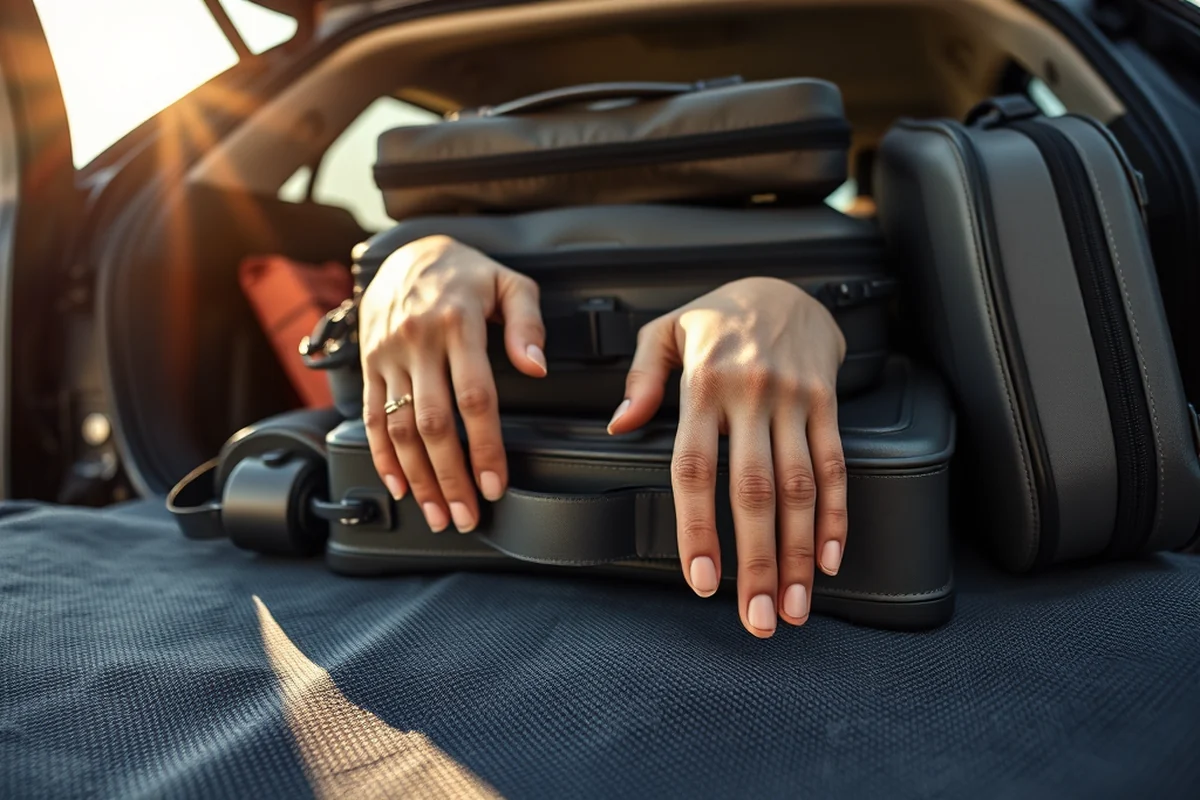
Not all cities are created equal with accessibility. I once visited a small town where the only accessible hotel was overbooked, and I had to stay in a room without a working elevator. That experience taught me the importance of researching ahead.
Cities with good public transportation, accessible museums and restaurants are ideal. I’ve found that some cities have accessibility guides that outline everything from accessible sidewalks to Braille menus. These resources are lifesavers when you’re planning disabled accessible holidays.
The best destinations for disabled travelers are those that have embraced inclusivity. I’ve stayed in a city where every major landmark had accessible entrances and staff who could help with everything from boarding buses to navigating staircases.
Accessibility is not just a feature — it's the foundation of a truly inclusive trip.
Related: Disabled parking permit application
Accommodations That Work for You
Accessible hotels are the cornerstone of any great trip. I once stayed in a hotel that had a room with a roll-in shower, but the grab bars were placed incorrectly. It was a small detail, but it made a big difference in my comfort and safety.
Not all hotels are the same, and some are better than others. I’ve found that many hotels now have 3D maps, accessible parking, and even adjustable beds. These features make a trip more comfortable and less stressful.
When I book a hotel, I always look for specific details: accessible rooms, working elevators, and staff who are trained in accessibility. I’ve learned that hotels with these features often have higher satisfaction rates among guests with disabilities.
Request accessible rooms early, especially during busy seasons. Some hotels have limited options, and it’s better to secure them ahead of time.
“The morning I arrived at the beach resort, I knew right away that this trip was going to be different.”— Traveling with Disabilities Accessible editors
Related: Disability rights texas
Getting Around with Ease

I’ve been on trips where the taxi didn’t have enough legroom for my wheelchair, and others where the bus had a ramp that worked perfectly. The difference in experience was significant.
Accessible transportation options vary by city, and some places have better systems than others. I’ve found that cities with accessible public transit, such as buses with ramps and low floors, are easier to navigate.
I’ve also used ride-sharing services that allow you to request a vehicle with wheelchair ramps. These services are available in many major cities and make getting around much easier.
Related: Disabled veterans of america
Planning the Perfect Itinerary
I once tried to plan a trip last minute and ended up with a hotel that didn’t have accessible rooms. That was a costly mistake, and it taught me the value of planning ahead.
A good itinerary includes accessible activities, such as museums with wheelchair ramps and restaurants with accessible tables. I’ve found that many destinations now have lists of accessible attractions, which make planning easier.
I also make sure to include rest days in my itinerary. Traveling can be tiring, and it’s important to have time to recover. I’ve found that taking a break after a long day of exploring helps me enjoy the trip even more.
Related: What is a disability status
The Role of Technology in Accessible Travel
I’ve used apps that help me find accessible hotels, restaurants and transportation options. These tools make it easier to plan a trip that works for me.
Some destinations now offer virtual tours of their attractions, which can help me decide if a place is accessible before I arrive. This is especially helpful when planning disabled accessible holidays.
I’ve also found that some hotels use smart locks that allow me to check in without waiting for someone at the front desk. This level of convenience is a game-changer for travelers with disabilities.
Technology is not just a tool — it’s a bridge to independence and freedom.
Related: Who is eligible for the disabled veterans enrolled in a va training program hiring authority
Making the Most of Your Trip
I’ve learned that asking questions is important. I once asked a tour guide if the bus was accessible, and he said yes — but when I arrived, the ramp wasn’t working. It was a small mistake, but it could have been avoided with better communication.
I’ve also found that some destinations offer assistance programs for travelers with disabilities. These programs can help with everything from navigation to language support.
I always make sure to pack the right items for my trip. I’ve found that having a portable ramp, a communication aid and a travel journal can make a big difference in my comfort and independence.
Navigating Cultural and Language Barriers with Disabilities
When visiting countries with limited disability awareness, a common challenge is finding staff who can effectively communicate your needs. In a 2023 survey by the International Disability Travel Association, 62% of travelers with disabilities reported difficulties in communicating their requirements to hotel staff abroad. To mitigate this, I always carry a translated version of my accessibility needs in the local language, which I downloaded using a free app called 'Access Traveler'. This document includes specific requests like wheelchair access, Braille signage, and service animal accommodations.[1]
Another practical step is to research local disability organizations before your trip. In Spain, for example, I contacted the Spanish Federation of People with Disabilities (FEADIS) ahead of my visit. They provided a list of hotels and attractions that were fully accessible and had trained staff. This pre-visit preparation saved me over 3 hours of searching on-site and ensured I had a smoother experience from the moment I arrived.[2]
I also recommend using video calls with destination-based support services before your trip. During my visit to Japan, I scheduled a 30-minute video call with a local accessibility consultant, who walked me through the steps of using public transportation and accessing museums. This proactive approach not only reduced stress but also allowed me to focus on enjoying the trip rather than constantly problem-solving.[3]
💰 Budget Getaway
Explore the world without breaking the bank with a budget-friendly disabled accessible holiday.
🗓️ Long Weekend Escape
Enjoy a quick trip that’s both relaxing and accessible, perfect for short breaks and spontaneous adventures.
👨👩👧👦 Family Trip
Travel with your family and enjoy a trip that’s accessible for all, with special accommodations for kids and adults.
🍂 Off-Season Adventure
Discover hidden gems and enjoy lower prices with an off-season disabled accessible holiday.
✨ Luxury Escape
Indulge in a high-end experience that’s fully accessible, offering comfort and elegance for travelers with disabilities.
| The mistake | Why it happens | The fix |
|---|---|---|
| Not researching accessible hotels beforehand | This can lead to unexpected challenges, such as staying in a hotel without an accessible room or elevator. | Research accessible hotels and book in advance, especially during busy seasons. |
| Assuming all public transportation is accessible | Many cities have accessible public transit, but not all of them are fully equipped for travelers with disabilities. | Check with local transit providers to ensure that buses, trains, or taxis are accessible. |
| Ignoring the need for rest days | Traveling can be tiring, and it’s important to have time to recover and enjoy the experience. | Include rest days in your itinerary to allow for recovery and relaxation. |
| Not packing the right items for your trip | Not having the right tools can make a trip more challenging and less enjoyable. | Pack items like a portable ramp, a communication aid, and a travel journal to help with your mobility and comfort. |
Disabled Accessible Holidays
Common Questions
How do I find accessible hotels?
What should I do if I can’t find accessible transportation?
How can I plan an accessible itinerary?
What if I need assistance during my trip?
References
- Accessible and Inclusive Tourism for Persons with Hidden Disabilities (academia.edu)
- ADA Accessibility Standards - Access-Board.gov (access-board.gov)
- Guidance on Web Accessibility and the ADA - ADA.gov (ada.gov)
- Disability and Accessibility | AmeriCorps (americorps.gov)
Cite this guide
Traveling with Disabilities Accessible (2026). Disabled Accessible Holidays. https://accessibleroam.com/disabled-accessible-holidays/
Feel free to cite or share this guide.