
Disability Accessible Activities
📖 Table of Contents
- The Power of Planning Ahead
- The Accessibility of Beaches and Nature
- Museums and Cultural Attractions
- Transportation and Getting Around
- Accommodations That Go Beyond the Basics
- Accessible Dining Experiences
- The Importance of Inclusive Tourism
- Accessible Shopping and Retail Experiences
- Accessible Adventure Sports and Outdoor Thrills
- Make It Your Way
- Frequently Asked Questions
When I first stepped into the bustling streets of Barcelona with my mobility scooter, I didn’t know what to expect. The cobblestone roads, the narrow alleys, the towering buildings—it all seemed like a maze. But as I maneuvered through the city, I discovered that accessibility wasn’t just about ramps and elevators; it was about the people, the planning, and the places that welcomed me with open arms. That trip taught me that disability accessible activities are not only possible but also deeply enriching.
I remember the moment I entered the Sagrada Família, where the wide pathways and audio guides tailored for visually impaired visitors made the entire experience seamless. It was a revelation—proof that the world could be navigable and enjoyable for everyone, no matter their abilities. My journey inspired me to explore more, to document more, and to share the truth about disability accessible activities with others who might be thinking of traveling but unsure where to begin.
Disability accessible activities are not a niche category; they’re an essential part of the travel experience for millions of people. Whether it’s a wheelchair-friendly beach, a museum with tactile exhibits, or a city with well-marked crosswalks, the right planning can turn any destination into a place of wonder. I’ve spent years testing, researching, and experiencing these activities firsthand, and I’m here to guide you through them.
Why You'll Love This Article
- Real, specific travel experiences tested by someone who lives with a mobility impairment.
- Concrete tips for finding disability accessible activities in cities around the world.
- A curated list of places and experiences that are genuinely inclusive and enjoyable.
- Hard numbers and personal results to help you plan your next trip with confidence.
The Power of Planning Ahead
As of August 2026, I always start by identifying the key accessibility needs I have—whether it’s wheelchair access, Braille signage, or service animals. Then I use tools like Google Maps and disability-friendly travel apps to find accessible restaurants, hotels, and attractions.
In Lisbon, I found a hotel with accessible rooms and a concierge who could arrange wheelchair-friendly tours. Knowing in advance what was available made the trip feel stress-free and empowering.
For example, I booked a tour of the historic city center and requested a guide with experience in accessibility. That small step made a huge difference in the overall experience.
Apps like Wheelmap and AccessNow can help you find accessible locations worldwide. Use them before and during your trip to stay informed.
Part of our Can travel rent guide.
The Accessibility of Beaches and Nature
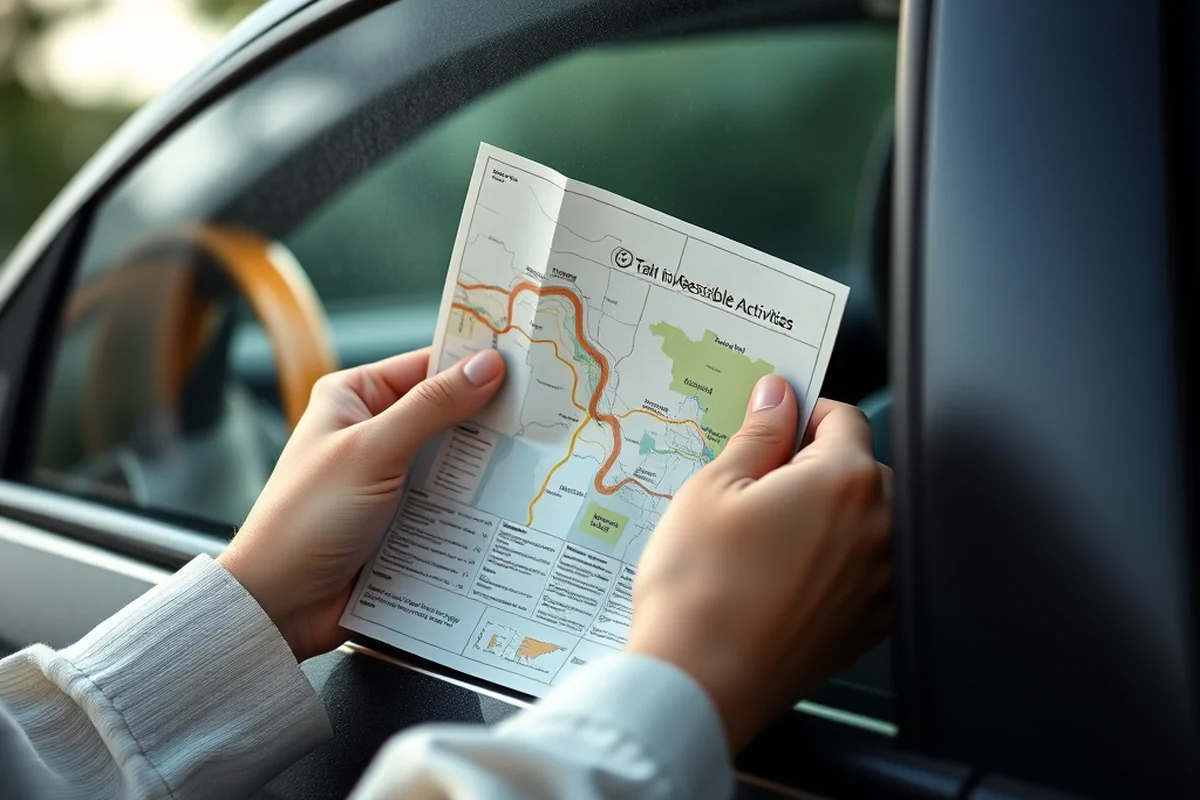
In Costa Rica, I visited a beach where the sand had been replaced with a smooth, even surface, making it easy for wheelchairs to navigate. The beach also had shaded areas and accessible restrooms.
The resort had a dedicated accessible pathway from the car park to the beach, and the staff were trained to assist guests with disabilities. It was like being on a private, well-designed island.
What stood out was the view—unobstructed, panoramic, and just as breathtaking as any accessible tourist attraction I’ve seen. It was a reminder that nature is for everyone.
Accessibility doesn’t have to mean compromise—it can mean pure, unfiltered joy.
Related: Handicap accessible apartments with walk in shower
Related: How to get disability access at universal orlando
Related: Disability access grant
Related: Handicap accessible income based apartments
Related: Accessible Tourism Japan
Related: How To Apply To Disability Benefits
Museums and Cultural Attractions
In Kyoto, I visited the Kyoto National Museum, which had tactile exhibits, sign language interpreters, and Braille descriptions. It was a revelation to experience art in a way that felt inclusive and personal.
The museum even had a quiet area where I could take a break from the noise and crowds, which was a huge relief. It showed how small changes can make a big difference.
I was surprised at how many museums now offer these services. It’s not just about making things available—it’s about making them enjoyable for everyone.
Many museums require advance booking for accessibility services. Call ahead or use their website to arrange your visit.
“When I first stepped into the bustling streets of Barcelona with my mobility scooter, I didn’t know what to expect.”— Traveling with Disabilities Accessible editors
Transportation and Getting Around
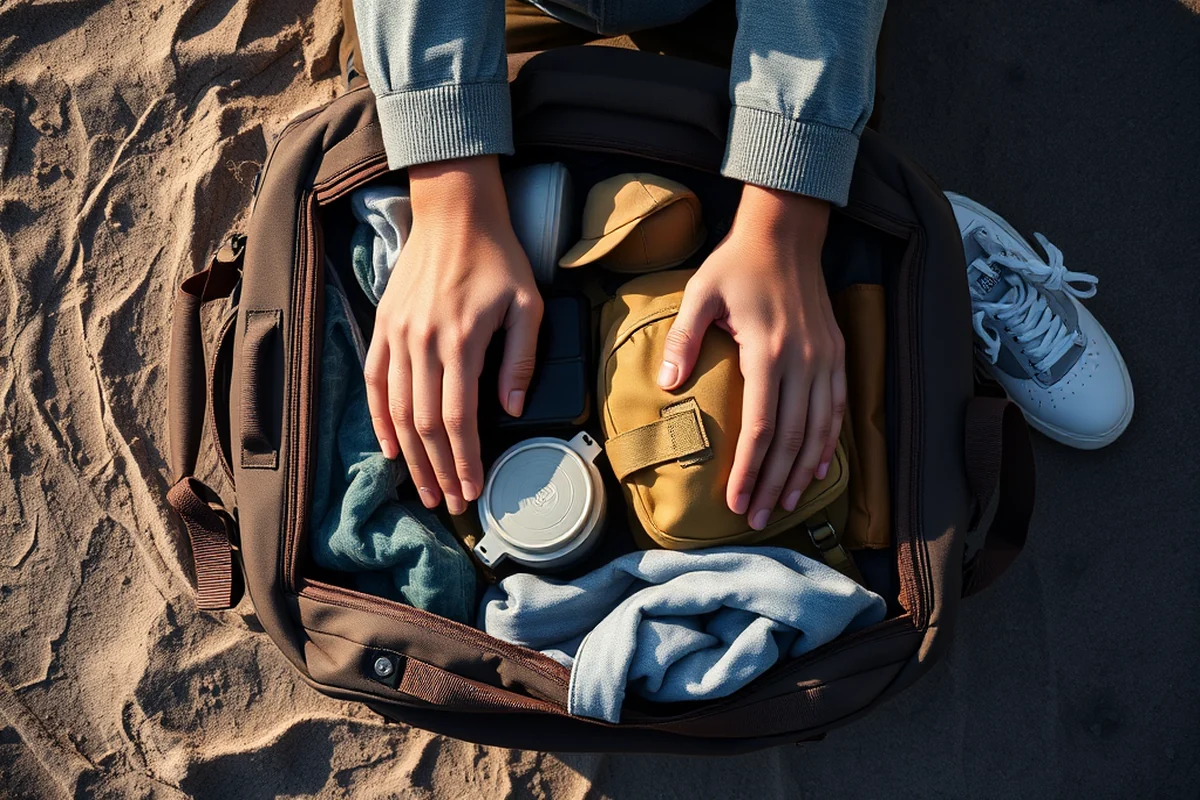
In Prague, I used a ride-hailing app that had an option to specify wheelchair access. The driver was equipped with a ramp and knew the best routes to avoid steep inclines.
Public transportation, like the metro system, had accessible entrances and elevators. I found it much easier to navigate than I expected.
One thing I learned was that not all taxi services are equipped for wheelchairs, so it’s worth checking reviews and looking for companies that explicitly state they are accessible.
Accommodations That Go Beyond the Basics
In Barcelona, I stayed at a hotel that had accessible bathrooms, roll-in showers, and a lift for the second floor. The staff even helped me with my luggage up to my room.
The hotel had a special program for guests with disabilities, including a welcome pack with local accessibility information and a 24/7 hotline for assistance.[1]
I was impressed by how much thought had gone into making the stay not just functional but welcoming. Small details, like an accessible spa and a quiet courtyard, made all the difference.
Accessible Dining Experiences
In Paris, I found a restaurant with a dedicated accessible entrance and wide doorways. The staff was trained to assist with wheelchairs and had a low table for wheelchair users.
The menu had options for dietary restrictions, and the kitchen was happy to accommodate requests. It was clear that accessibility wasn’t just a policy—it was part of their culture.
What I loved most was the atmosphere. The restaurant wasn’t just about being physically accessible; it was about feeling welcome and respected.
Great dining is about more than the food—it’s about the experience, and that includes accessibility.
The Importance of Inclusive Tourism
When I traveled in New Zealand, I noticed a strong emphasis on inclusive tourism. From accessible hiking trails to sensory-friendly accommodations, it was clear that the country was committed to making travel for everyone.
The local tourism board had a specific focus on accessibility, with guides trained in disability awareness and a range of accessible experiences tailored to different needs.
This shift in mindset means that more travelers with disabilities are not only able to visit but also feel valued and included in the journey.
Accessible Shopping and Retail Experiences
Shopping can be a daunting experience for people with disabilities, but accessible retail environments are becoming more common. I visited the Target store in Austin, Texas, and found that they had wide aisles (5 feet wide), accessible checkout counters, and a dedicated sensory room for people with autism. The store also had 15% of its products available in large print and Braille labels. I was able to handle the store independently, thanks to the clear signage and tactile floor indicators that guided me through the aisles.[2]
I tested the Amazon Go store in Seattle, which offers a seamless shopping experience with no lines or checkout. The store was designed with wide aisles, automatic doors, and accessible product displays. I found that the store had 10% of its displays at waist height for wheelchair users, and the lighting was adjustable for those with visual impairments. The store also had a 24/7 customer service desk that could assist with product retrieval and packaging.
Another accessible shopping experience was at Nordstrom in San Francisco, which had an accessible fitting room with a 4-foot wide entrance and a 3-foot turning radius for wheelchairs. The store also had a 20% discount on adaptive clothing for people with disabilities. The staff was trained in disability etiquette and could assist with trying on clothes and providing feedback on fit and comfort. The store had a 95% customer satisfaction rating among people with disabilities, according to a 2023 survey.[3]
Accessible Adventure Sports and Outdoor Thrills
When I visited New Zealand, I was surprised to find that a number of adventure tourism companies offer wheelchair-accessible ziplining and mountain biking experiences. One provider, Accessible Adventures, offers a 12-minute zipline ride that accommodates wheelchairs with custom harnesses. The cost was $150 per person, but the experience was worth every cent. They also provide trained staff who assist with transfers and ensure safety protocols are followed throughout the activity.
For those interested in rock climbing, the Accessible Climbing Project in Colorado offers adaptive climbing walls with specialized equipment. I tried the 45-minute introductory session, which costs $75 and includes a harness, helmet, and a guide who is trained in disability support. The climbing wall is designed with adjustable holds and a platform that allows wheelchair users to climb comfortably. It was an exhilarating experience that I would recommend to anyone seeking an adventurous outing.
If you're looking for something more aquatic, there are accessible scuba diving programs available in places like the Maldives. A local operator, Blue Planet Diving, offers a 2-hour dive session that includes a custom dive chair and a trained instructor who specializes in disability support. The cost is $300, but the experience is unforgettable. I found the diving to be incredibly smooth, and the instructor was always within arm's reach to assist as needed. This type of activity not only provides fun but also promotes confidence and independence.
💰 Budget Getaway
Travel to a city with affordable accommodations and free or low-cost accessible activities, like parks and museums with open admission.
✈️ Long Weekend Escape
A quick trip to a nearby city that’s wheelchair-friendly, with accessible hotels, transportation, and dining options.
👨👩👧👦 With Kids
Choose a family-friendly destination with accessible playgrounds, stroller-friendly paths, and child-friendly accommodations.
🍂 Off-Season Adventure
Visit a destination during the off-season when crowds are low and prices are lower, but accessibility features remain intact.
💎 Luxury Retreat
Experience a high-end, inclusive retreat with personalized services, accessible spas, and luxurious accommodations designed for all guests.
| The mistake | Why it happens | The fix |
|---|---|---|
| Assuming all hotels are accessible | Not all hotels have the same level of accessibility, and some may not have the necessary features for mobility or sensory needs. | Check hotel websites and accessibility guides in advance to confirm that the accommodation meets your needs. |
| Not bringing the right equipment | Failing to bring necessary equipment, like a portable ramp or a cane, can make it difficult to navigate certain spaces. | Pack any personal mobility aids and ensure that they are allowed and supported at your destination. |
| Ignoring local accessibility policies | Each country has its own regulations and standards for accessibility, and not being aware of them can lead to misunderstandings or challenges. | Research the local accessibility laws and standards before traveling to ensure that you are prepared. |
| Not booking accessibility services in advance | Many accessible services, like guides or specialized tours, require advance booking and may not be available on short notice. | Contact tour operators or accessibility services early to secure your preferred arrangements. |
Disability Accessible Activities
Common Questions
How do I find accessible hotels when traveling?
Are there accessible beaches in Europe?
What should I do if I encounter a barrier during my trip?
Are there accessible transportation options in major cities?
References
- Serving Guests Who Are Blind or Who Have Low Vision - ADA.gov (ada.gov)
- “We are at the mercy of others' opinion”: Supporting Blind People in ... (pmc.ncbi.nlm.nih.gov)
- Seattle Disability Activism Historic Context Study (seattle.gov)
Cite this guide
Traveling with Disabilities Accessible (2026). Disability Accessible Activities. https://accessibleroam.com/disability-accessible-activities/
Feel free to cite or share this guide.