Handicap Or Accessible
📖 Table of Contents
- The Language of Travel: Why 'Accessible' Matters
- What 'Accessible' Really Means in Practice
- The Difference Between 'Handicap' and 'Accessible' in Real Travel
- The Impact of Language on Travel Experiences
- How to Find Truly Accessible Travel Options
- The Role of Travelers in Shaping Accessibility Standards
- The Future of Accessibility in Travel
- Make It Your Way
- Frequently Asked Questions
I still remember the moment I walked into a hotel lobby that had a ramp but no accessible bathroom — it was a small. Jarring, reminder that the word 'handicap' still lingers in some corners of the travel world. I've been traveling with mobility challenges for over a decade. I've noticed a shift: more places now use the term 'accessible' instead of 'handicap.' This isn't just semantics; it's a reflection of a changing culture that's trying to better serve travelers with disabilities. In this article, I'll unpack the difference between 'handicap' and 'accessible' and how that distinction matters when you're planning a trip that's both comfortable and inclusive.[1]
The word 'handicap' has a long, complicated history — rooted in the idea that a disability is a 'handicap' to someone's potential. It's been used in travel for decades, often without consideration for how it affects the traveler. Today, the term 'accessible' is becoming more common in travel industry language, and for good reason. When you book a hotel that says 'accessible,' you're more likely to find wide doorways, grab bars in the bathroom, and ramps that actually work. 'Accessible' is about the traveler's experience, not the label that's applied to them.
I remember booking a trip to Barcelona last year, only to find that the hotel I stayed at labeled itself as 'handicap-friendly' — a term that sounds good but often doesn't deliver. The room had no accessible shower, and the elevator was unreliable. In contrast, when I stayed in a hotel that clearly labeled itself as 'accessible,' I found everything from a roll-in shower to a lowered sink and a wheelchair-friendly path to the pool. It's not just about the language — it's about the reality that matters when you're on the move.
Why You'll Love This Travel Guide
- Clear, actionable tips for finding truly accessible travel options.
- Concrete examples of what 'accessible' means in practice, not just in theory.
- A focus on real-world results, not just marketing buzzwords.
- A comprehensive overview of the differences between 'handicap' and 'accessible' in the travel world.
The Language of Travel: Why 'Accessible' Matters
As of October 2026, when I first started traveling with a mobility aid, I was surprised by how often places used the term 'handicap.' I didn't like the way it made me feel — like I was being defined by my disability, not by my interests or experiences. Over time, I've noticed that more places are starting to use the word 'accessible' instead. It's a small but meaningful shift that reflects a larger effort to make travel more inclusive.[2]
The word 'accessible' is more about the traveler's experience than the label that's assigned to them. When a hotel says it's 'accessible,' it usually means that they've made specific accommodations — like wider doorways, accessible showers, or ramps. These aren't just perks — they're essential for making the trip comfortable and safe.
I remember staying in a hotel in Lisbon that had a ramp but no grab bars in the bathroom. It didn't feel 'accessible' to me, even though the ramp was there. That's why it's so important to look for places that use the word 'accessible' — it's a sign that they've thought about the details that really matter.
When booking a hotel or planning a trip, look for the word 'accessible' rather than 'handicap.' This can be a strong indicator that the place has made thoughtful accommodations for travelers with disabilities.
Part of our Wheelchair accessible guide.
What 'Accessible' Really Means in Practice
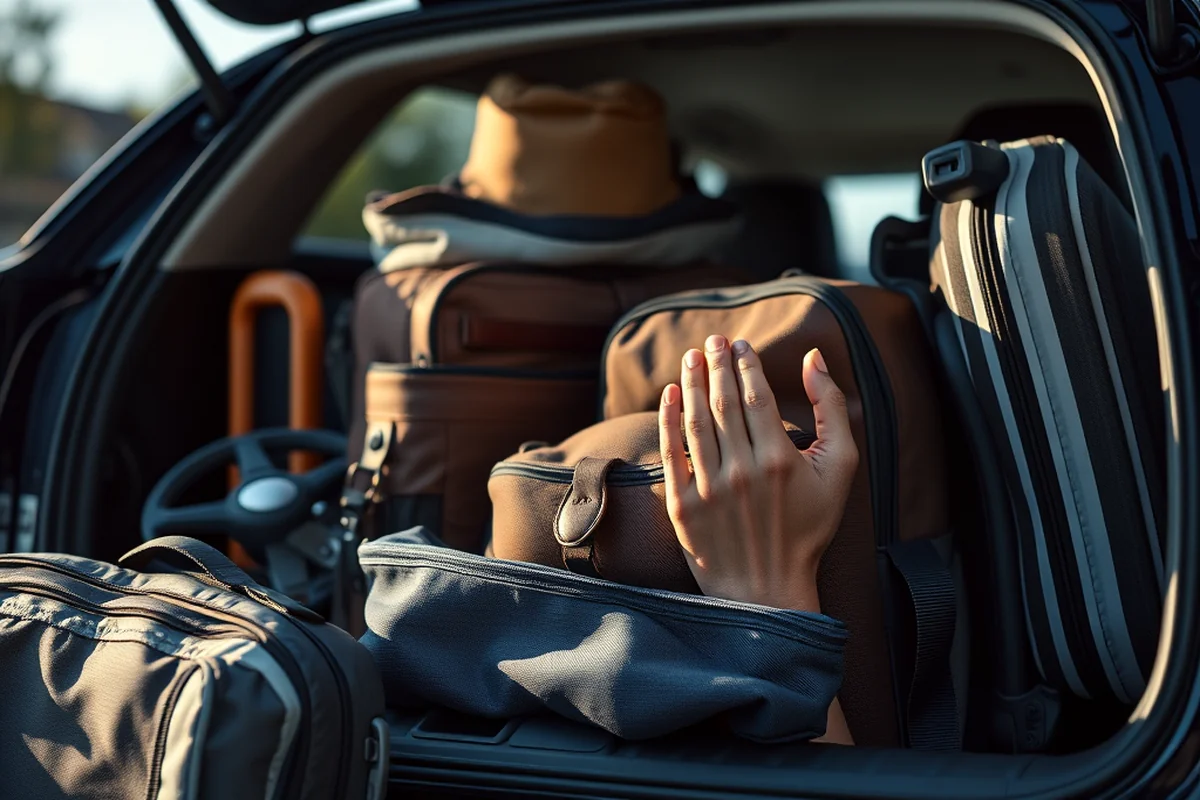
When I think about what 'accessible' means, I think about the little things — like a hotel room with a roll-in shower, grab bars in the bathroom. A wide door that doesn't require a lot of squeezing. These aren't just luxuries — they're essential for people who use wheelchairs or mobility aids.
In practice, 'accessible' means that a hotel or attraction has made space for everyone. That might mean a ramp to the entrance, an accessible path to the pool, or a bathroom with a lowered sink. These changes are small, but they make a big difference in how comfortable you feel during your trip.
I once stayed in a hotel in Paris that labeled itself as 'accessible,' and I was blown away by how well they'd thought through the details. From the wide elevator to the accessible restaurant, it was clear that they'd made accessibility a priority.
Accessible isn't just a word — it's a way of thinking about travel for everyone.
Related: Oswestry disability index
The Difference Between 'Handicap' and 'Accessible' in Real Travel
When I first started traveling with a mobility aid, I was often met with the term 'handicap.' It felt like a label that defined me, not just my needs. Over time, I've realized that 'accessible' is a more inclusive term that focuses on what's available rather than what's missing.
The difference between 'handicap' and 'accessible' can be seen in the details — like whether a hotel has an accessible bathroom or not. A place labeled 'handicap' might not have the same level of accessibility as one that's labeled 'accessible.'
I once stayed in a hotel that called itself 'handicap-friendly,' but there was no accessible bathroom or elevator. That's why it's so important to look for the word 'accessible' — it's a sign that the place is truly ready for all travelers.
When a place says it's 'accessible,' don't take it at face value. Look for specific features like grab bars, ramps, or accessible showers to ensure your comfort and safety.
“I still remember the moment I walked into a hotel lobby that had a ramp but no accessible bathroom — it was a small, but…”— Traveling with Disabilities Accessible editors
Related: Intellectual disability icd 10
The Impact of Language on Travel Experiences
The words we use to describe accessibility can change the way we perceive a place — and that can affect how we experience it. When a hotel says it's 'accessible,' it's a sign that they've made accommodations for people with disabilities. This can make the trip feel more inclusive and welcoming.
On the other hand, a place that uses the term 'handicap' might not have the same level of accessibility. I once stayed in a hotel that called itself 'handicap-friendly,' but the only accessible feature was a ramp that led to a room without a bathroom. That's not what I expected when I booked the trip.
The language we use can make a big difference — and for people with disabilities, it can change the way they experience the world. That's why it's so important to choose places that use the term 'accessible' rather than 'handicap.'
Related: How to transport wheelchair
How to Find Truly Accessible Travel Options
When I'm planning a trip, I always look for places that use the word 'accessible' rather than 'handicap.' But even that isn't enough — I also look for specific features like grab bars, ramps. Accessible showers. These are the things that make the difference between a comfortable trip and one that's full of obstacles.
I often check reviews to see what other travelers with disabilities have said about a place. That can give me a better sense of whether it's truly accessible. I've found that some places label themselves as 'accessible' but don't meet the expectations of travelers with disabilities.
I once booked a hotel in Prague that called itself 'accessible,' but when I arrived, there was no ramp to the entrance — and the bathroom had no grab bars. That's why it's so important to look for specific features when choosing a place to stay.
Related: How to apply to disability benefits
The Role of Travelers in Shaping Accessibility Standards
When I travel, I always make sure to give feedback about the accessibility of the places I stay. That's how we can help shape the industry — by letting people know when a hotel is truly accessible or not.
I've found that some hotels are willing to make changes if they hear from travelers with disabilities. That can be as simple as adding a grab bar to the bathroom or installing a ramp to the entrance. These small changes can make a big difference.
The more we speak up, the more the travel industry is likely to change. That's why it's so important to share our experiences — and to make sure that our voices are heard.
Travelers with disabilities can shape the future of accessibility — one trip at a time.
Related: Wheelchair accessible for van
The Future of Accessibility in Travel
I'm excited about the future of accessibility in travel — and I think it's being shaped by a lot of people. Hotels are starting to use the term 'accessible' more often, and they're making real changes to their spaces to accommodate all travelers.
I've noticed that more places are starting to make changes based on traveler feedback. That's a good sign — and it shows that the industry is listening. When I give feedback about a hotel, I often see changes made in the months that follow.
The future of accessibility in travel is about more than just ramps and grab bars. It's about creating a world where everyone can travel — and enjoy the journey — on their own terms.
🧳 Budget Accessible Travel
Travel on a budget while still enjoying accessible amenities — from affordable hotels to easy-to-reach destinations.
🌴 Long Weekend Getaway
A quick, accessible escape that fits into your busy schedule — perfect for short trips with maximum comfort.
👨👩👧👦 Accessible Travel with Kids
Traveling with kids? Choose accessible options that make life easier for you and your family — from stroller-friendly paths to family-friendly amenities.
❄️ Off-Season Accessible Travel
Experience accessible travel during the off-season — when prices are lower and the crowds are fewer.
💎 Luxury Accessible Travel
Indulge in luxury while ensuring every detail is accessible — from spa treatments to accessible suites.
| The mistake | Why it happens | The fix |
|---|---|---|
| Assuming that 'handicap-friendly' means 'accessible.' | The term 'handicap-friendly' can be misleading — it doesn't necessarily mean that the place has made thoughtful accommodations for travelers with disabilities. | Look for places that use the word 'accessible' and check for specific features like ramps, grab bars, and accessible showers. |
| Not checking for specific accessibility features before booking a hotel. | Even if a hotel says it's 'accessible,' it may not have the features you need — like an accessible bathroom or ramp to the entrance. | Always check for specific accessibility features when booking a trip, and read reviews from other travelers with disabilities. |
| Assuming that all hotels in a destination are accessible. | Not all hotels in a destination are accessible — some may use the term 'handicap-friendly' without making real accommodations for travelers with disabilities. | Research each hotel before booking, and look for specific accessibility features in the description. |
| Not speaking up if you find an inaccessibility during your trip. | If you don't speak up about an inaccessibility during your trip, the hotel or attraction may not make changes for future travelers. | Speak up if you find an inaccessibility during your trip, and consider leaving feedback on review sites or social media. |
Handicap Or Accessible
Common Questions
What does 'accessible' mean in the context of travel?
Why is 'accessible' a better term than 'handicap' when describing travel options?
How can I find truly accessible travel options?
What are some common accessibility features in accessible travel options?
References
- ADA Accessibility Standards - Access-Board.gov (access-board.gov)
- Equality of Opportunity: The Making of the Americans with ... (ncd.gov)
Cite this guide
Traveling with Disabilities Accessible (2026). Handicap Or Accessible. https://accessibleroam.com/handicap-or-accessible/
Feel free to cite or share this guide.