
What Is Accessible Travel
📖 Table of Contents
I remember the first time I tried to book a trip with my cane. I had no idea how many steps, doors, or elevators I’d have to navigate before even reaching the hotel lobby. That was the moment I realized accessible travel is not just about having a wheelchair or a ramp—it's about designing experiences that include everyone, no matter how they move through the world. Accessible travel isn’t a niche concept; it's a fundamental right that can transform how we experience the world.[1]
Accessible travel is more than just a word. It's the difference between a traveler being able to step onto a plane, or being stranded at a curb with no assistance. It's about hotels with roll-in showers, airports with clear signage, and cities that have wide sidewalks and accessible public transportation. These details may seem small to some, but to travelers with disabilities, they are the difference between a fulfilling trip and a trip that never happens.[2]
In my travels, I’ve met people who use wheelchairs, canes, and service animals, and I’ve also met those with invisible disabilities—conditions that don’t show but can make travel equally challenging. Accessible travel is about removing the invisible barriers that prevent people from seeing the world. It’s about making sure that everyone, regardless of ability, can board a bus, explore a museum, or simply enjoy a walk in a park without feeling excluded.[3]
Why You'll Love This Article
- Understand the real meaning of accessible travel through lived experiences.
- Get practical tips for planning trips that are inclusive and comfortable for all travelers.
- Learn how to choose accessible destinations and accommodations that meet your needs.
- Discover how accessible travel can be an empowering and transformative experience.
What Is Accessible Travel?
As of September 2026, Accessible travel isn’t just about physical barriers—it's about inclusion in every aspect of a trip, from booking flights to exploring a destination. It’s about accessibility that matters in the real world, not just on paper. For example, a hotel may claim to be accessible, but if the path from the parking lot to the lobby is uneven or the elevator is out of service, that’s not really accessible.[4]
I once stayed at a hotel that had a sign saying 'Accessible Room' but the door was too narrow to use a wheelchair. That was a real wake-up call. Accessible travel requires more than just surface-level accommodations. It requires thoughtful design, real-world testing, and a commitment to making travel possible for everyone.
When I visited a city with a well-planned accessible route, I could navigate from the train station to the hotel, then from the hotel to the museum, all without needing help. That’s the kind of experience accessible travel should deliver: independence, freedom, and the ability to explore without limits.
Before booking, call the hotel or destination and ask specific questions about accessibility. Don’t just rely on a website—get real answers from someone on the ground.
The Importance of Physical Accessibility
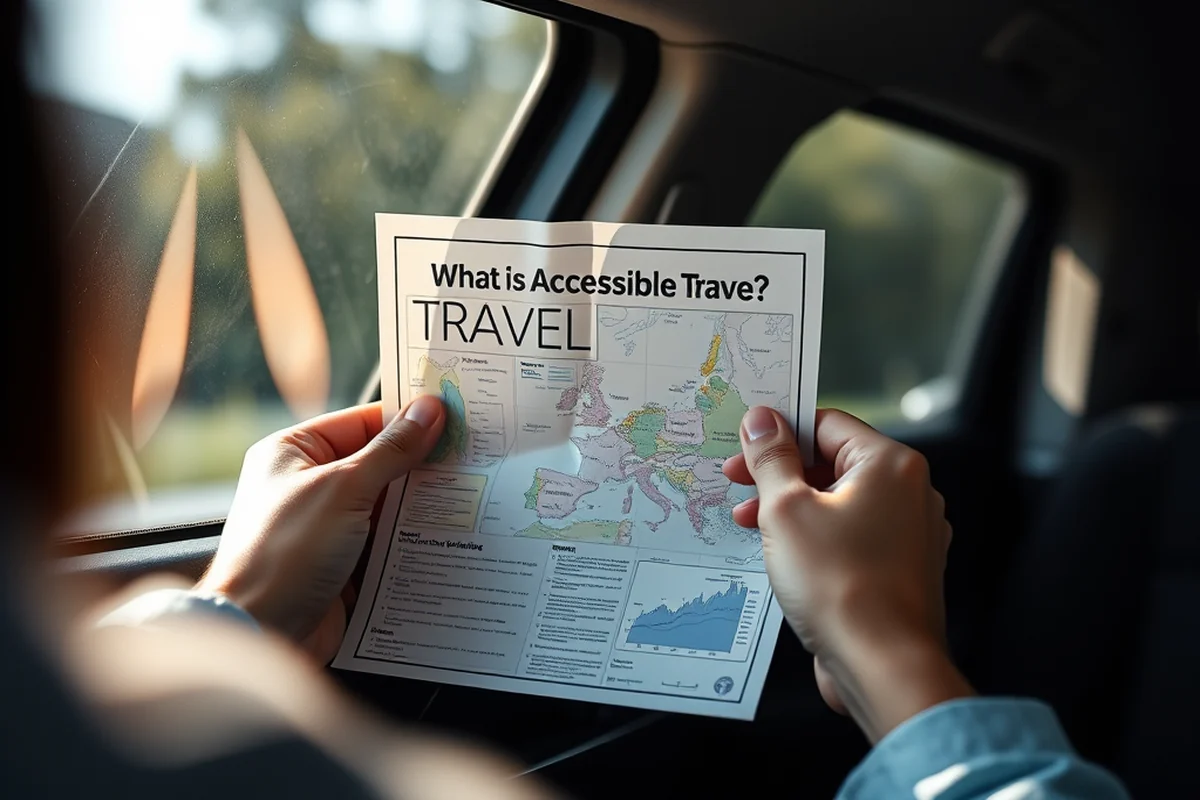
Physical accessibility includes things like ramps, elevators, wide doorways, accessible restrooms, and clear pathways. These features make the difference between a traveler being able to move independently or needing constant assistance. When I stayed at a hotel with a roll-in shower, it wasn’t just a convenience—it was a necessity.
I also remember visiting a museum that had a ramp leading up to the entrance and wide aisles throughout the building. It made it possible to tour the museum without needing help. That’s not just a luxury—it’s a right. Physical accessibility isn’t just for people with disabilities; it also benefits parents with strollers, travelers with heavy luggage, and anyone who needs to move freely.
When I traveled to a city where the sidewalks were uneven and the crosswalks lacked audible signals, I found myself relying on others to help me navigate. That’s not the kind of experience any traveler should have. Physical accessibility is about making sure that the world is navigable for everyone.
A world designed for everyone is a world that works for all.
Related: Accessible vacation destinations
Related: Accessible tourism japan
Related: How accessible travel
The Role of Communication and Language
Accessible travel also includes effective communication. This means providing sign language interpreters, offering materials in Braille, or ensuring that digital interfaces are compatible with screen readers. When I visited a restaurant with clear visual menus and staff who knew basic sign language, it made a huge difference in my experience.
I once traveled to a country where the airport had no visual or auditory guidance systems for travelers with hearing impairments. It made the entire experience stressful and confusing. Accessible travel requires more than just ramps and elevators—it requires thoughtful design that considers all aspects of a traveler’s needs.
In another example, I stayed at a hotel that had a Braille menu and a screen reader-friendly app for booking services. That attention to detail made the entire experience more inclusive. Communication is a critical part of accessible travel, and it can’t be overlooked.
When planning a trip, check if the destination offers sign language services, Braille materials, or other communication aids. These small details can make a huge difference.
“I remember the first time I tried to book a trip with my cane.”— Traveling with Disabilities Accessible editors
Related: Tours available near me
Related: Accessible to or by
Accessible Travel and Mental Health
Travel can be overwhelming for people with anxiety, PTSD, or other mental health conditions. Accessible travel includes providing quiet spaces, minimizing sensory overload, and offering support when needed. When I visited a hotel that had a quiet room and a low-stimulus area, it helped me feel more at ease and comfortable.
I once stayed at a destination that had no designated quiet spaces or sensory-friendly areas. It made me feel anxious and overwhelmed, even though I was on vacation. That’s not the kind of experience anyone should have. Accessible travel must include mental health considerations as well as physical ones.
When I traveled to a place that had sensory-friendly options and staff trained to help people with anxiety, it made a world of difference. Accessible travel is about creating an environment where everyone can feel safe and supported.
The Impact of Accessible Travel on Communities
When cities and businesses prioritize accessibility, it creates a more inclusive environment for everyone. People without disabilities also benefit from features like wide sidewalks, ramps, and clear signage. When I visited a town that had an accessible route through the city, I noticed that tourists without mobility challenges also used it to avoid carrying their bags up steep hills.
In one example, I stayed at a hotel that had accessible rooms and services, and I saw families with strollers, older travelers, and even people with temporary injuries using those features. That’s the kind of accessibility that works for everyone, not just a select few.
Accessible travel is about inclusion, not exclusion. It’s about creating a world where everyone can move freely and feel welcome. When communities invest in accessibility, they’re investing in a better experience for all travelers.
The Future of Accessible Travel
Advancements in technology are changing the landscape of accessible travel. From apps that help people with disabilities navigate airports to AI-powered assistants that provide real-time support, the future is looking brighter. I’ve used a few of these apps and found them incredibly helpful in planning my trips.
I once used an app that mapped accessible routes through a city and provided real-time updates on the availability of elevators and ramps. That kind of technology is making accessible travel more efficient and less stressful. As more people become aware of the importance of accessibility, we can expect to see more progress in this area.
The future of accessible travel is not just about technology—it’s about inclusion, awareness, and a commitment to making travel possible for everyone. As more travelers demand accessibility, the world will continue to change for the better.
The future of travel is inclusive. And it’s here now.
Traveling with Family and Friends
When I traveled with my family, I found that having accessible accommodations made a huge difference in our experience. My parents, who use wheelchairs, were able to move around independently, and I didn’t have to worry about leaving them behind. Accessible travel is about making sure that everyone can join in the fun.
I once stayed at a hotel with a family-friendly accessible room that had a roll-in shower, grab bars, and a wide doorway. It was designed with both my parents and me in mind. That kind of thoughtful planning made the trip more enjoyable for everyone.
Accessible travel is about creating experiences that work for everyone. When families and groups can travel together, it makes the journey more meaningful. Accessible travel is not just for individuals—it’s for everyone.
💰 Budget-Friendly Accessible Travel
Traveling on a budget doesn’t mean sacrificing accessibility. Look for affordable hotels with accessible rooms, use public transportation, and explore free or low-cost attractions that are inclusive.
🗓 Long Weekend Getaway
A short but impactful trip can be just as accessible as a long vacation. Choose nearby cities with accessible hotels, restaurants, and attractions, and plan your trip around your mobility needs.
👨👩👧👦 Accessible Travel with Kids
Traveling with kids can be easier when you choose accessible accommodations and destinations. Look for hotels with family-friendly accessible rooms and attractions that are suitable for all ages.
❄ Off-Season Travel
Traveling during the off-season can be more affordable and less crowded. It’s also a great time to explore destinations that may not be as busy, making it easier to find accessible accommodations and services.
✨ Luxury Accessible Travel
Luxury hotels and resorts are increasingly offering accessible rooms and services. From private spas to personalized assistance, luxury accessible travel can be just as indulgent as it is inclusive.
| The mistake | Why it happens | The fix |
|---|---|---|
| Assuming all hotels are accessible. | Just because a hotel has an accessible room listed doesn’t mean it’s truly accessible. Many places fail to meet accessibility standards in practice. | Call the hotel directly to ask specific questions about accessibility, and read reviews from travelers with disabilities. |
| Ignoring the needs of invisible disabilities. | Travelers with invisible disabilities, like chronic pain or mental health conditions, may not be accommodated by standard accessibility measures. | Research the destination and choose accommodations that are known for being inclusive of all types of travelers. |
| Not planning ahead for accessibility. | Last-minute planning can lead to unmet accessibility needs, such as not being able to find an accessible hotel or restaurant. | Plan your trip in advance and contact hotels, airports, and attractions to ensure your needs are met. |
| Assuming that accessibility is the same everywhere. | Accessibility standards vary by country and city, and what works in one place may not work in another. | Research the specific accessibility features of each destination and plan accordingly. |
What Is Accessible Travel
Common Questions
How can I find accessible travel destinations?
What should I do if I need assistance while traveling?
Are accessible travel options available in all countries?
How can I ensure that my travel experience is comfortable?
References
- Accessible Travel Routes & Resources - GMU's Accessibility @ Mason (accessibility.gmu.edu)
- Research Team: About our Research: Accessible Air Travel: Indiana ... (accessibleairtravel.publichealth.indiana.edu)
- Occupational Therapy and Accessible Air Travel (arch.astate.edu)
- AUS For All: Accessibility Services - Austin's Airport (austintexas.gov)
Cite this guide
Traveling with Disabilities Accessible (2026). What Is Accessible Travel. https://accessibleroam.com/what-is-accessible-travel/
Feel free to cite or share this guide.