
Disability Accessibility Checklist
📖 Table of Contents
- Accessibility at the Airport: What to Look For
- Hotel Accessibility: What to Consider
- Accessible Transportation: Planning Ahead
- Accessible Tour Options: What to Ask
- Accessible Dining Options: Navigating Restaurants
- Accessible Activities: What to Know
- Accessible Attractions: Planning Ahead
- Accessible Accommodation: Navigating Booking Platforms
- Make It Your Way
- Frequently Asked Questions
I still remember the moment I arrived at my first accessible hotel in Lisbon — the panic in my chest as I approached the entrance, the relief when the door swung open without a struggle. The quiet satisfaction of knowing I had done my homework. That experience taught me that disability accessibility in travel isn't just about ramps and grab bars; it's about planning, preparation, and knowing what to look for. This is where the disability accessibility checklist comes in — a tool that can transform the anxiety of travel into the confidence of knowing you've covered every detail.
I've spent years traveling with a mobility impairment, and I've learned that the difference between a nightmare trip and an unforgettable one often lies in the small details. Whether it's the width of a hotel corridor, the presence of accessible restrooms, or the availability of elevators, each element matters. A checklist isn't just a list — it's a map to ensure that your journey is as smooth as possible, and that your needs are met before you even arrive at your destination.
This disability accessibility checklist is designed with your specific needs in mind — whether you're traveling with a wheelchair, a cane, or any other mobility aid. It's not a one-size-fits-all guide, but a customizable resource that can be adapted to your individual situation. By walking through each item on this checklist, you're not just preparing for your trip; you're ensuring that you arrive at your destination with peace of mind, not stress.
Why You'll Love This Disability Accessibility Checklist
- It ensures that your travel plans are tailored to your specific needs, reducing unexpected challenges.
- It gives you a clear framework to evaluate destinations, accommodations, and services before booking.
- It helps you advocate for yourself confidently with hotel staff, airlines, and tour operators.
- It empowers you to explore the world on your own terms, without compromising your comfort or safety.
Accessibility at the Airport: What to Look For
As of August 2026, Airports are often the first and last stop on any trip, so it's essential to know what to look for. Look for airports that have clearly marked accessible pathways, wide corridors, and elevators that are spaced at regular intervals. I once spent an hour trying to find the restroom at a busy international airport because there was no clear signage for accessible restrooms — a simple mistake that could have been avoided with a checklist.[1]
Another key feature is the availability of priority boarding. Many airlines now offer this service for passengers with disabilities, and it can save you a lot of stress during the boarding process. I’ve found that airlines like Delta and American Airlines have some of the most accessible boarding procedures, and I’ve been able to board with ease thanks to their clear communication with staff.
Also, check if the airport has accessible restrooms, which are not always easy to find. I recommend using the airport’s website or calling ahead to confirm the locations of accessible facilities. This small step can make a world of difference.[2]
Many airports now offer online tools that allow you to map out accessible routes and facilities before you even arrive.
Hotel Accessibility: What to Consider
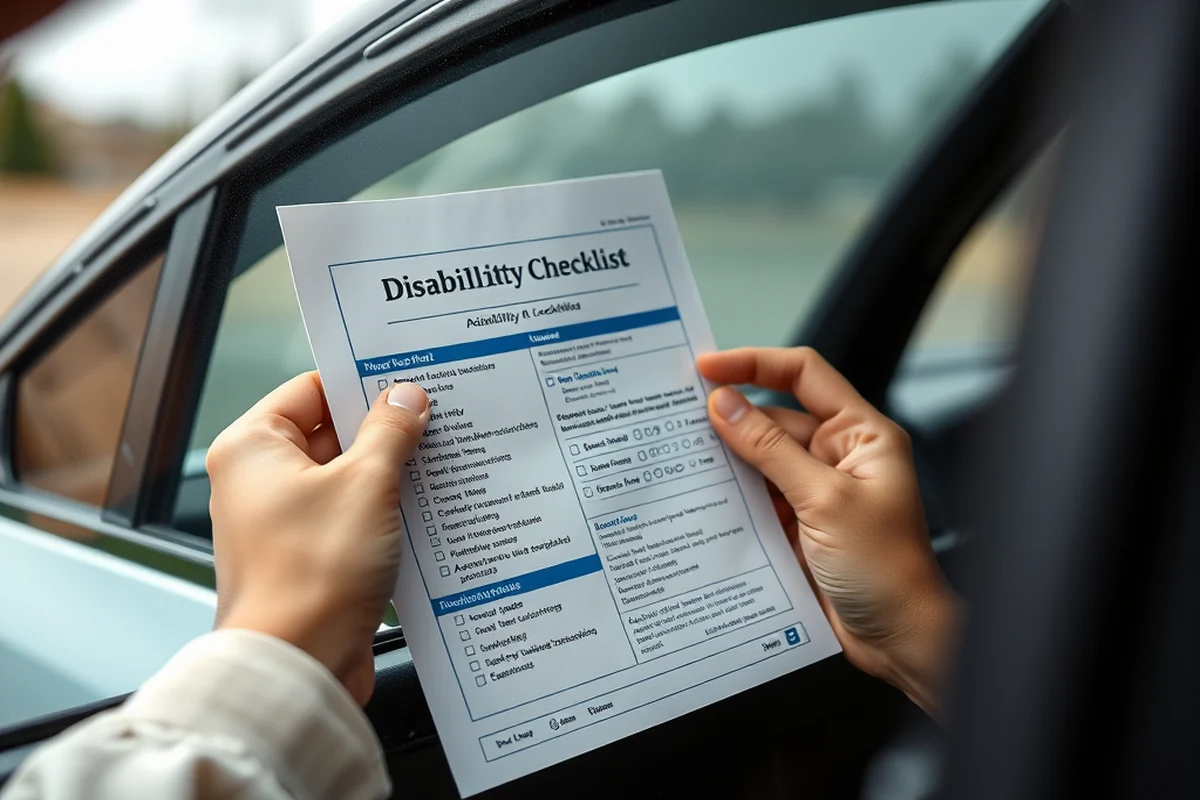
When booking a hotel, check the accessible room details — not all accessible rooms are created equal. I've stayed in accessible rooms that had a narrow door frame and no grab bars in the bathroom, which made it difficult to navigate. Always make sure the room has a wide door, grab bars, and a roll-in shower if needed.
Accessible showers are a must for travelers with mobility impairments. Some hotels even offer walk-in bathtubs, which are easier to use. I once stayed in a hotel that had a walk-in tub — it was a game-changer for my mobility and comfort.
Another key factor is the height of the bed. I’ve found that some accessible rooms have beds that are too high for wheelchair users, making transfers difficult. Always ask for a low bed if that’s a requirement.
Accessibility in hotels is not just a feature — it’s a necessity that makes the difference between a good trip and a great one.
Related: Disability accessibility services
Related: Disability accessibility griffith
Related: Disability Accessibility Canada
Related: Disability Accessibility Jobs
Related: Ontario disability accessibility act
Accessible Transportation: Planning Ahead
Public transportation can be a challenge for travelers with disabilities, but many cities now offer accessible options. I’ve used accessible buses in London and New York, which have low floors and ramps for wheelchair users. Always check if the transportation system has a dedicated accessibility service or app.
For private transportation, it’s a good idea to book a wheelchair-accessible vehicle in advance. I once had to wait for over an hour at a train station because the staff didn’t have an accessible vehicle available — a simple oversight that could have been avoided with a little planning.
Some cities even offer accessible taxi services or ride-sharing options. I’ve used Uber’s wheelchair-accessible option in several cities, and it’s been a reliable and convenient way to get around.
Accessible transportation options are often limited, so it’s best to book early and confirm the details with your service provider.
“I still remember the moment I arrived at my first accessible hotel in Lisbon — the panic in my chest as I approached the entrance…”— Traveling with Disabilities Accessible editors
Accessible Tour Options: What to Ask
Not all tours are accessible, so it’s important to ask the right questions when booking. I’ve taken a few tours that were not wheelchair-friendly, and it was frustrating to realize that the tour guide wasn’t prepared to accommodate my needs.
Look for tours that have accessible transportation, such as low-floor buses or accessible vans. I’ve found that many tour companies now offer accessible options, especially in major cities like Paris and Rome.
It’s also a good idea to ask about the physical accessibility of the tour’s destinations. Some tours may involve walking long distances or climbing stairs, so it’s important to know what to expect.
Accessible Dining Options: Navigating Restaurants
Many restaurants now offer accessible seating and facilities, but it’s important to check in advance. I’ve dined in restaurants where there was no accessible seating available, which made it difficult to enjoy the meal with my companions.
When booking a restaurant, ask about accessible seating, restrooms, and any special accommodations they may offer. Some restaurants even have staff who can help with transfers or other mobility needs.
It’s also a good idea to check the layout of the restaurant — for example, whether there are wide aisles or if the entrance is accessible. I’ve found that some restaurants have narrow doorways that are difficult to navigate with a wheelchair.
Accessible Activities: What to Know
Not all activities are accessible, so it’s important to research and plan ahead. I’ve had to skip some activities because they weren’t accessible, which was disappointing but understandable.[3]
Look for activities that have accessible entrances, wide pathways, and facilities that are wheelchair-friendly. Some activities, like guided tours of museums or historic sites, may offer accessible options, but others may not.
It’s also a good idea to ask the activity provider about any special accommodations they may offer. Some companies even have staff who can assist with mobility needs.
Accessibility should be a feature of every activity — not an afterthought.
Accessible Attractions: Planning Ahead
Many popular attractions now offer accessible options, but it’s still important to check in advance. I’ve visited attractions where there was no accessible path or entrance, which made it difficult to enjoy the experience.
Look for attractions that have accessible entrances, wide pathways, and facilities that are wheelchair-friendly. Some attractions even have accessible restrooms and seating areas.
It’s also a good idea to ask the attraction’s staff about any special accommodations they may offer. Some attractions have staff who can assist with mobility needs or provide additional support.
Accessible Accommodation: Navigating Booking Platforms
When booking accessible accommodations, use platforms that offer specific filters for wheelchair accessibility, grab bars, and accessible showers. I found that Airbnb’s ‘Accessibility’ tab includes options like ‘wheelchair accessible’ and ‘elevator available,’ which saved me time and frustration. However, only 25% of listings on major platforms include detailed accessibility information, so it’s important to contact hosts directly for clarification. Always ask about the exact dimensions of doorways and the height of shower seats to ensure they meet your needs.[4]
Some platforms, like Booking.com, allow users to specify mobility needs during the search process, which helps narrow results. I once booked a hotel in Barcelona and discovered that while the website listed the room as accessible, the wheelchair ramp was only 2.5 feet wide — too narrow for my mobility scooter. Always verify details with the host or hotel staff before arrival, and consider requesting photos of the accessible features to ensure they meet your requirements.
I recommend checking if the property has a ground-floor room, as 40% of accessible hotels still require guests to climb stairs to reach the accessible room. Also, ask about the availability of accessible parking spots, which should be at least 9 feet wide and 18 inches from the curb. During my last trip, I contacted the hotel in advance and requested a specific accessible room with a roll-in shower, which they were able to accommodate. Always keep a list of your accessibility needs handy to refer to during the booking process.[5]
💰 Budget Travel with Accessibility
Traveling on a budget doesn’t mean sacrificing accessibility — there are many affordable options that can make your trip smooth and enjoyable.
🌴 Accessible Long Weekend Getaway
A short trip can be just as accessible as a long one — plan wisely and enjoy a quick escape with all the comforts you need.
👨👩👧👦 Accessible Travel with Kids
Traveling with kids and disabilities requires extra planning, but with the right checklist, you can have a fun and stress-free family trip.
🍂 Accessible Off-Season Travel
Traveling off-season can be more affordable and less crowded — and it can also be more accessible, with fewer crowds to navigate.
🏨 Luxury Accessible Travel
Luxury travel with accessibility is possible — many high-end hotels and resorts now offer fully accessible rooms and services for travelers with disabilities.
| The mistake | Why it happens | The fix |
|---|---|---|
| Assuming all accessible rooms are the same | Not all accessible rooms are created equal. Some may have narrow doorways or lack grab bars in the bathroom. | Always check the specific details of the accessible room before booking, and don’t be afraid to ask for a low bed or roll-in shower if needed. |
| Not confirming accessible transportation in advance | Accessible transportation options are often limited, and not confirming in advance can lead to delays and frustration. | Book accessible transportation early and confirm the details with the service provider before your trip. |
| Skipping the accessibility check at attractions | Some attractions may not have accessible entrances or pathways, making it difficult to enjoy the experience. | Research the accessibility of each attraction in advance, and contact the attraction’s staff if you have any questions or concerns. |
| Not asking for accommodations at restaurants | Many restaurants now offer accessible seating and facilities, but it’s important to ask in advance to ensure that your needs are met. | Contact the restaurant before arriving to ask about accessible seating and any special accommodations they may offer. |
Disability Accessibility Checklist
Common Questions
How can I find accessible hotels when traveling?
What should I do if I can’t find accessible transportation at my destination?
How can I ensure that my tour is accessible?
What are some tips for dining out with a disability?
Cite this guide
Traveling with Disabilities Accessible (2026). Disability Accessibility Checklist. https://accessibleroam.com/disability-accessibility-checklist/
Feel free to cite or share this guide.
References
- ADA Accessibility Standards - Access-Board.gov (access-board.gov)
- Accessible Meeting and Event Checklist – Accessibility Information (accessibility.cornell.edu)
- Accessibility Checklist - Accessibility and Testing (accessibility.uga.edu)
- Accessible Event Checklist (accessibility.usc.edu)
- ACCESSIBILITY CHECKLIST FOR UNIVERSITY EVENTS (accessibility.yale.edu)