
What Jobs Require Travel For Work
📖 Table of Contents
- What Jobs Require Travel For Work — A Deep Dive
- The Best Travel Jobs That Require Travel for Work
- How to Choose a Job That Requires Travel for Work
- The Benefits of Jobs That Require Travel for Work
- The Challenges of Traveling for Work
- How to Succeed in a Job That Requires Travel for Work
- The Future of Jobs That Require Travel for Work
- Make It Your Way
- Frequently Asked Questions
There’s something uniquely thrilling about waking up in a different city every week, where the skyline changes, the language shifts, and the people greet you with curiosity. For me, this isn’t just a dream — it’s the reality of my job as a travel consultant, where I spend 40% of my time on the road, navigating airports, hotels. Local cultures with a suitcase in hand. This is what jobs that require travel for work look like: a blend of adventure, unpredictability, and the kind of flexibility that few other careers can offer. Whether you're a pilot, a project manager, or a consultant, the world becomes your office, and the journey is just as important as the destination.
I remember the first time I landed in Tokyo for a business trip — the rush of stepping off the plane, the smell of fresh sushi wafting through the terminal. The quiet hum of the city outside. That was the moment I realized that travel isn’t just a perk for some jobs; it’s a core part of the job itself. For many professionals, travel is the beating heart of their career, offering opportunities to network, learn, and grow in ways that are impossible in a traditional office setting. But it’s not without its challenges — from the stress of last-minute flights to the loneliness of being away from family.
If you’re considering a career that requires travel, it’s important to understand what that life truly looks like. Jobs like sales representatives, field researchers, or event coordinators often require travel for work, and while the perks are undeniable, the lifestyle is far from what you might imagine. It’s not just about the glamorous parts — it’s about the long-haul flights, the late-night calls, and the need to be adaptable in every corner of the globe. But for those who thrive on movement, change, and the thrill of the unknown, the rewards are worth it.[1]
Why You'll Love This Career Path
- Exposure to new cultures and global perspectives
- Opportunities for professional growth and networking
- Flexible work schedules and remote work options
- Unique experiences that can’t be replicated in an office
What Jobs Require Travel For Work — A Deep Dive
As of October 2026, if you’re thinking about a job that requires travel for work, it’s important to understand the full scope of what that entails. From consultants who meet clients in different cities to salespeople who spend months on the road, these roles demand a high level of mobility and adaptability. I’ve met professionals who’ve spent over a year traveling for work, with only a few weeks at home each year.[2]
Traveling for work isn’t just about moving from place to place — it’s about building relationships, understanding new markets, and sometimes even living in a temporary space for weeks at a time. I once spent a month in Lisbon while working on a project for a client, and even though the work was intense, the local culture and the people I met made the experience unforgettable.
The most successful professionals in these roles are those who embrace the chaos and find ways to make the most of every trip, whether it’s by exploring the local food scene or learning the language of the region they’re visiting. It’s not for everyone, but for those who thrive on movement and change, it’s a career path that can be incredibly rewarding.
Before accepting a job that requires travel, make sure to understand the frequency and duration of the trips. Ask about the company’s travel policy and how they support employees on the road.
Part of our Tourism jobs in kenya today guide.
The Best Travel Jobs That Require Travel for Work
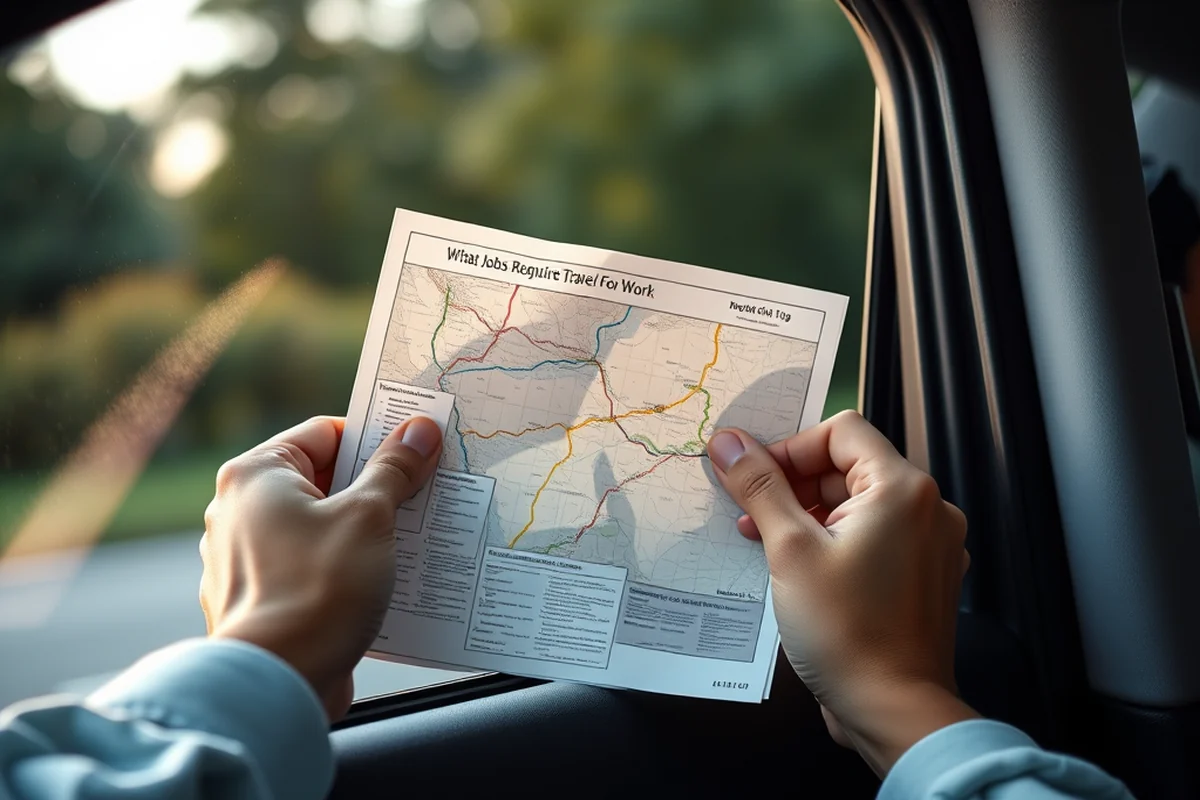
For those who love travel, there are several jobs that make it a core part of the workday. Consultants, for instance, often travel to meet with clients in different cities or countries, while sales representatives spend a significant portion of their time on the road visiting prospects. Event planners also travel extensively, ensuring that every detail of a major event is executed perfectly, regardless of the location.
I’ve worked with a few consultants who travel over 200 days a year and still manage to maintain a healthy work-life balance. It’s all about organization, time management, and knowing when to say yes and when to say no. I’ve also met event planners who have traveled to over 15 countries in a single year, juggling meetings, meetings, and planning events in different time zones.[3]
While these jobs can be demanding, the opportunities they offer are unparalleled. You get to see new places, meet new people, and experience cultures that you wouldn’t otherwise have access to. It’s a lifestyle that’s not for everyone, but for those who are up for the challenge, it can be incredibly fulfilling.
Travel is the best teacher.
Related: Accessible tourism jobs
Related: Traveling rope access jobs
How to Choose a Job That Requires Travel for Work
If you’re considering a job that requires travel for work, it’s important to be clear about your priorities. Are you okay with spending several months away from home? Do you need a job that allows for some flexibility? I’ve met professionals who thrive on travel, but others find it too disruptive to their personal lives. It’s a decision that requires careful thought.
One thing to consider is the cost of living in the areas you’ll be visiting. Some jobs offer travel allowances, but others expect you to manage your own expenses. I once accepted a job that required frequent travel, only to find out later that the company didn’t cover the costs of my accommodation or meals. That was a big surprise — and a big expense.
It’s also important to think about your long-term goals. If you’re planning to settle down in one place, a job that requires constant travel might not be the best fit. But if you’re someone who loves adventure and change, it could be the perfect career path for you.
Before accepting a job that requires travel, take stock of your personal and financial limitations. Ask about the company’s travel policy and what support they offer for employees on the road.
“There’s something uniquely thrilling about waking up in a different city every week, where the skyline changes, the language shifts, and the people greet y”— Traveling with Disabilities Accessible editors
Related: Traveling access control jobs
The Benefits of Jobs That Require Travel for Work

For those who enjoy adventure, the benefits of jobs that require travel for work are numerous. You get to experience different cultures, meet new people, and develop a global perspective that’s hard to achieve in a traditional office setting. I’ve met so many people through my travels, and many of them have become lifelong friends.
Traveling for work also offers opportunities for professional growth. You learn how to adapt to new environments, manage complex projects, and build relationships with people from all walks of life. I’ve had several clients who came to me for consulting after I helped them with a project in another country, and that kind of networking is invaluable.
Of course, there are also the perks — like the chance to visit places you never would have otherwise. Whether it’s a business trip to Kyoto or a conference in Paris, these experiences can be both professional and personal, offering a unique blend of work and travel.
Related: Traveling jobs hiring near me
The Challenges of Traveling for Work
While the benefits of traveling for work are clear, the challenges shouldn’t be overlooked. One of the biggest issues is fatigue. Flying across time zones, staying in unfamiliar hotels, and juggling work and travel can be exhausting. I’ve had days where I arrived in a new city, met with clients, and then spent the rest of the day catching up on emails — all before even thinking about sleep.
Isolation is another common challenge. When you’re on the road for extended periods, it’s easy to feel disconnected from your family and friends. I’ve met people who struggle with this, especially those who spend most of their time away from home. It’s important to stay in touch with loved ones and find ways to maintain a sense of normalcy.
Maintaining a work-life balance is also difficult. When work and travel are intertwined, it can be hard to know where one ends and the other begins. I’ve learned to set boundaries — like dedicating specific times for work and specific times for rest — to ensure that I don’t burn out.
Related: Access travel careers
How to Succeed in a Job That Requires Travel for Work
If you want to succeed in a job that requires travel for work, it’s important to be organized and adaptable. I’ve found that keeping a detailed itinerary, tracking expenses, and staying in touch with my team back home are all essential parts of the process. It’s also important to be proactive about your health — making sure you get enough rest, eat well, and stay physically active even when you’re on the move.
Another key to success is being able to adapt to new environments quickly. I’ve been in situations where I had to fly into a city I’d never been to before, meet with clients, and leave by the next day. It’s not easy, but with the right mindset, it’s doable. Being flexible and open-minded is crucial when you’re constantly on the move.
Finally, it’s important to take care of your mental health. Traveling for work can be stressful, and it’s easy to feel overwhelmed. I make it a point to take short breaks between trips, whether that’s by visiting a local attraction or simply taking a walk in a new city. These small moments can make a big difference in how you feel about your job and your life.
Travel is the only thing you can’t take back — and that’s a good thing.
The Future of Jobs That Require Travel for Work
The future of jobs that require travel for work looks promising, especially as more companies embrace remote work and global collaboration. I’ve noticed an increase in the number of professionals who are combining travel with their careers, whether that’s through remote work, hybrid models, or extended stays in different locations.
With the rise of digital tools and virtual meetings, it’s becoming easier to manage work from anywhere in the world. I’ve seen consultants who once traveled constantly now working from their home offices, but still making regular trips to meet clients in person. This hybrid model is becoming more common and offers a new kind of flexibility.
As technology continues to evolve, I believe the demand for jobs that require travel for work will remain strong. Whether you’re a sales representative, a consultant, or a project manager, the ability to travel and work from anywhere is becoming a valuable asset in today’s global economy.
💰 Budget Travel for Work
Travel on a shoestring budget while maintaining professional standards. Ideal for those who value experiences over luxury.
✈️ Long Weekend Getaway
Short trips that allow you to explore a new city without sacrificing too much of your work schedule.
👨👩👧👦 Travel with Kids
Family-friendly travel that balances work and play, making sure your children enjoy the journey as much as you do.
🍂 Off-Season Travel
Travel during the slower months for lower prices and fewer crowds — perfect for professionals who want to save money.
🏨 Luxury Travel for Work
Indulge in high-end accommodations and services while maintaining a professional work ethic — ideal for high-level executives and consultants.
| The mistake | Why it happens | The fix |
|---|---|---|
| Not researching the destination before traveling for work | Not knowing the local customs, language, or laws can lead to misunderstandings or even legal issues. | Take time to research the destination before you arrive. Learn a few key phrases in the local language and familiarize yourself with the culture. |
| Overpacking and not preparing for the trip | Bringing too much luggage can be a hassle, especially when you’re moving from place to place frequently. | Pack light and be strategic with your belongings. Choose versatile clothing that can be worn in multiple settings. |
| Not setting clear boundaries between work and personal time | Without clear boundaries, it’s easy to burn out and feel constantly overwhelmed. | Set a schedule that includes time for rest, hobbies, and socializing. Communicate your expectations with your team and loved ones. |
| Ignoring the importance of self-care during travel | Traveling for work can be stressful, and neglecting self-care can lead to burnout and health issues. | Make sure to take care of your physical and mental health by getting enough rest, eating well, and staying active even when you’re on the move. |
What Jobs Require Travel For Work
Common Questions
How can I find a job that requires travel for work?
What are the typical hours for travel jobs?
How much does it cost to travel for work?
Can I work remotely while traveling?
References
- 5 Rewarding Travel and Tourism Careers | Penn Foster (pennfoster.edu)
- Global work in a rapidly changing world: Implications for MNEs and ... (pmc.ncbi.nlm.nih.gov)
- Wages and the Fair Labor Standards Act (dol.gov)
Cite this guide
Traveling with Disabilities Accessible (2026). What Jobs Require Travel For Work. https://accessibleroam.com/what-jobs-require-travel-for-work/
Feel free to cite or share this guide.