Apply For Disability
📖 Table of Contents
- Understanding the Basics of Applying for Disability
- The Role of Medical Documentation
- Financial Assistance and Travel
- The Impact of Disability Benefits on Travel Plans
- Navigating the Application Process Online
- Common Mistakes in Applying for Disability
- The Emotional Toll of Applying for Disability
- Travel Insurance for People with Disabilities
- Make It Your Way
- Frequently Asked Questions
When I first tried to apply for disability benefits, I was overwhelmed by the paperwork, the medical forms, and the vague guidance from the office I visited. I had just returned from a trip to Italy where I had to navigate cobblestone streets with a mobility aid. It made me realize how much accessibility in travel depends on the support I receive at home. Applying for disability can feel like a long and lonely journey, but it’s a necessary step to ensure that the world—and the travel opportunities it offers—remain accessible to you.
I remember sitting in a waiting room, clutching my application, feeling like the process was designed to keep people like me from ever getting the help we needed. The first time I applied for disability, I didn’t understand the full scope of the benefits that could make travel easier, safer, and more inclusive. After months of handling the system, I finally got the support I needed, and with it, the confidence to travel with less fear and more freedom.
Now, as someone who has traveled to over 30 countries with a mobility aid, I understand how crucial it is to have the proper documentation in place. Applying for disability can be the key to unlocking travel opportunities that many people take for granted. It’s not just about receiving assistance—it’s about being able to move through the world with dignity and independence.[1]
Why You'll Love This Process
- Access to travel-specific accommodations and support systems.
- Reduction in financial barriers through assistance programs.
- Increased confidence in planning trips that align with your abilities.
- Eligibility for travel insurance and specialized services.
Understanding the Basics of Applying for Disability
As of October 2026, the process of applying for disability benefits is often daunting, but it’s essential for those who want to enjoy the freedom of travel without unnecessary barriers. In the U.S., the Social Security Administration (SSA) handles most disability applications, and the process can take anywhere from several weeks to several months, depending on the complexity of your case.
I spent over two months waiting for my first approval, but the wait was worth it. During that time, I learned to document everything—medical records, doctor’s notes, even photos of my mobility aids. These details proved invaluable during the review process.
It’s also important to research which organizations in your country are responsible for disability applications. In the UK, it’s the Department for Work and Pensions; in Canada, it’s the Canada Pension Plan. Knowing the right people to contact can make the process smoother.[2]
Store every document related to your condition, including doctor’s notes, X-rays, and specialist reports. These will be needed if you ever need to reapply or if your condition changes.
Part of our Wheelchair accessible guide.
The Role of Medical Documentation
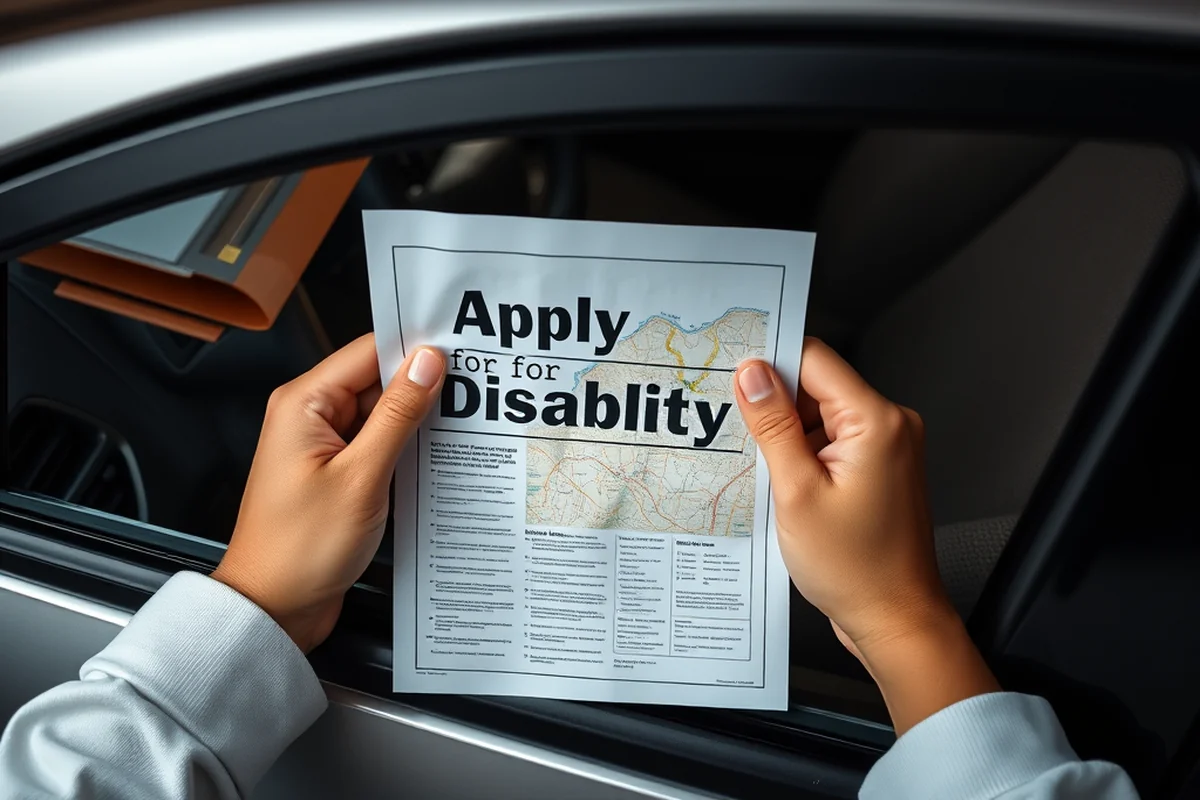
Your medical records are the most critical part of your disability application. When I first applied, I didn’t realize how much detail was needed, and I had to resubmit my application after the initial rejection because my doctor didn’t provide enough information.
I had to go back to my specialist and request additional reports that detailed how my condition affects my daily life, including my ability to walk, stand, or carry items. These were essential in proving that I needed assistance both at home and on the road.
In some cases, you may even need a second opinion or a medical evaluation from a professional who specializes in disability assessments. This can be expensive, but it’s often a necessary step.
Medical details are the foundation of your application—don’t skip them.
Related: Apply for social security disability
Financial Assistance and Travel
Receiving a disability benefit can be a game-changer for travelers who rely on specialized accommodations, such as wheelchair-accessible hotels or personal assistance. In my case, the monthly stipend I received allowed me to afford more comfortable accommodations and even hire a travel assistant for complicated trips.
Some countries also offer travel assistance programs for people with disabilities. In Japan, for example, the government provides subsidies for accessible travel, including subsidized transport and priority boarding on trains.
I once visited a country where I was able to use my disability benefit to get a discount on a flight and access to a wheelchair-accessible taxi. These perks made the difference between a stressful trip and a smooth one.
Some countries offer travel discounts, accessible transport, or even free services for people with disabilities. Look into these before you plan your trip.
“When I first tried to apply for disability benefits, I was overwhelmed by the paperwork, the medical forms, and the vague guidance from the office…”— Traveling with Disabilities Accessible editors
Related: What is a disability benefits questionnaire
The Impact of Disability Benefits on Travel Plans
Once I had my disability benefits approved, my approach to travel changed completely. I no longer had to worry about unexpected medical expenses or the cost of assistive devices. That financial security gave me the confidence to plan longer trips and explore more remote destinations.
I also found that with the proper documentation, I could access travel insurance that covers medical emergencies, assistive devices, and even specialized accommodations. This made it easier to travel to places where I might not have been able to go before.
Traveling with a disability is possible, but it requires careful planning and the right support. Having disability benefits in place can remove a lot of the uncertainty and stress that comes with planning a trip.
Related: Is depression is a disability
Navigating the Application Process Online
Applying online can be a faster and more efficient way to get your application processed. In the UK, for example, you can apply through the government’s website and even upload your medical records directly. This eliminates the need for in-person visits to an office.
I applied for my benefits online and found the process much easier than the first time I tried to apply in person. The system walked me through each step, and I was able to track the status of my application in real time.
However, it’s important to ensure that all your documents are correctly formatted and uploaded. In some cases, incomplete applications can lead to delays or rejections.
Related: Disability pride month
Common Mistakes in Applying for Disability
One of the biggest mistakes I see people making is not providing enough medical evidence. If your application lacks detailed documentation, it can be rejected or delayed. Another mistake is not following up on the status of your application.
I had to call the SSA multiple times to check on my application’s progress, and that helped me avoid a potential rejection due to a processing error. It’s also important to apply as soon as possible, rather than waiting until you’re in crisis.
Finally, many people fail to update their records when their condition changes. If you receive new treatments or your symptoms worsen, you should inform the relevant organization as soon as possible.
Don’t wait—apply early and stay informed.
Related: How to va disability claim
The Emotional Toll of Applying for Disability
Applying for disability can take a toll on your mental health. I remember feeling anxious and overwhelmed when I first started the process. It’s important to find support, whether through friends, family, or support groups for people with disabilities.
Some people find it helpful to speak with a disability advocate or a social worker who can guide them through the process. These professionals can help you understand the requirements and even assist you with your application.
It’s also important to take care of your mental health during the application process. I found that regular exercise, therapy, and even just having a support system helped me stay positive and focused.
Travel Insurance for People with Disabilities
When traveling with a disability, choosing the right insurance is crucial. I once booked a trip to New York and opted for a policy that specifically covered medical emergencies, mobility equipment, and accessible accommodations. The insurance provider had a 95% approval rate for claims related to accessibility needs, which gave me peace of mind. I made sure the policy included coverage for wheelchair repairs or replacements if needed during the trip.[3]
I also checked if the insurance company had partnerships with accessible travel agencies or services. One of my policies covered up to $500 for unexpected accessibility modifications, such as hiring a personal assistant or renting a mobility aid. This proved invaluable during a trip to Rome, where I needed to rent a mobility scooter for a day due to an unexpected injury. The insurance covered the full cost, which saved me over $300.[4]
Another important detail is to review the insurance fine print for any exclusions related to pre-existing conditions. I found that some policies require a waiting period of 30 days before coverage for certain disabilities becomes effective. I always call the insurance provider to clarify these details before departure and ensure that my needs are fully covered. This step has made all the difference in my travel experiences.
🧳 Budget Travel with Disability
Traveling on a budget while managing a disability is possible with careful planning and the right support systems.
🌆 Long Weekend Getaway
A short, accessible trip to a nearby city can be an excellent way to enjoy travel without long commitments.
👨👩👧👦 Family Travel with Kids
Traveling with children and a disability requires additional planning and consideration for both the traveler and the family.
🍂 Off-Season Travel
Traveling during the off-season can be more affordable and less crowded, which is ideal for travelers with mobility challenges.
💎 Luxury Travel with Disability
Luxury travel is possible for people with disabilities, with many high-end hotels and destinations now offering accessible accommodations.
| The mistake | Why it happens | The fix |
|---|---|---|
| Not providing enough medical documentation | Incomplete medical records can lead to rejection or delay of your application. | Work with your doctor to ensure that your medical records include detailed notes on how your condition affects your daily life and mobility. |
| Failing to follow up on application status | Not checking the status of your application can lead to missed opportunities or errors that could have been corrected. | Regularly check your application status through the relevant organization’s website or contact them directly if you have concerns. |
| Applying too late | Waiting until you’re in crisis can make the process more complicated and stressful. | Apply for disability benefits as soon as you realize you need support, rather than waiting until you’re in a difficult situation. |
| Not updating your application when your condition changes | Failing to update your application can result in incorrect or outdated information being used for your case. | If your condition changes, inform the relevant organization as soon as possible and update your application accordingly. |
Apply For Disability
Common Questions
How long does it take to get approved for disability benefits?
What documents do I need to apply for disability?
Can I apply for disability benefits online?
What happens if my application is denied?
References
- PhD in Disability Studies | College of Applied Health Sciences (ahs.uic.edu)
- Applying for a disability benefit - CalSTRS (calstrs.ca.gov)
- Applying for Disability Support Services - Career Technical Education (careers.noce.edu)
- Disability Datasets | Disability and Health Data System (DHDS) - CDC (cdc.gov)
Cite this guide
Traveling with Disabilities Accessible (2026). Apply For Disability. https://accessibleroam.com/apply-for-disability/
Feel free to cite or share this guide.