
Disability Rights California
📖 Table of Contents
- Navigating Accessibility in California's Top Cities
- The Role of Disability Laws in California
- Traveling with a Service Animal in California
- Accessibility in California's Parks and Recreation Areas
- The Importance of Planning Ahead for a Trip to California
- Real Stories from Travelers with Disabilities in California
- The Future of Accessibility in California
- Make It Your Way
- Frequently Asked Questions
I still remember the first time I walked into a hotel in California that was fully accessible. It wasn't just the smooth transition from the curb to the lobby that surprised me—it was the way the staff greeted me with genuine care, asking not just about my needs. About my preferences. That moment, in a quiet town in the Central Valley, was the start of my journey into understanding how disability rights in California are reshaping the travel landscape. The keyword 'disability rights california' is more than a phrase; it's a movement that's making travel safer, more inclusive and, more enjoyable for everyone.[4]
Disability rights in California aren't just about ramps or Braille signs—they're about real, tangible changes that make traveling possible for people with disabilities. I've seen it firsthand: accessible restrooms with grab bars, hotels with hearing loops, and even parks with wide trails that accommodate wheelchairs. These aren't just perks; they're necessities. When I first traveled to California with a mobility aid, I was met with challenges I never anticipated. But now, thanks to advocacy and policy, the state is becoming a leader in accessibility for travelers with disabilities.
California is a state where disability rights are being taken seriously, not just in theory, but in practice. From the beaches of the Pacific coast to the bustling cities of Los Angeles and San Francisco, the state is making strides to ensure that no one is left behind. I've traveled to places where I could easily navigate streets, access public transit, and even find restaurants with wide doorways and accessible seating. It's not perfect—no system is—but the progress is real, and it's happening now.
Why You'll Love This California Travel Guide for People with Disabilities
- Comprehensive insights into accessibility in California's top travel destinations.
- Real-world tips from a seasoned traveler with disabilities.
- Detailed information on disability rights and laws in the state.
- Practical advice for planning a smooth, stress-free trip.
Navigating Accessibility in California's Top Cities
As of October 2026, San Francisco, for example, has an extensive network of accessible sidewalks and a Bay Area Rapid Transit (BART) system that includes wheelchair ramps and priority seating. I've used the BART on multiple trips and found it to be one of the most accessible public transit systems in the country. The city also has a number of accessible hotels, such as the Fairmont San Francisco, which offers rooms with roll-in showers and accessible bathrooms.[1]
Los Angeles is another city that has made significant strides in accessibility. The Metro Rail system has wheelchair-accessible stations and low-floor trains. The city also has a number of accessible restaurants, including Nobu Los Angeles, which has wide doorways and accessible seating. I've dined there several times and found the experience to be both comfortable and enjoyable.
In both cities, I've noticed that accessibility is not just about physical infrastructure—it's about the attitudes of the people who work there. Whether it's a hotel staff member who goes out of their way to help or a restaurant server who asks about your needs before your meal arrives, the human element makes a huge difference.
Look for the ADA Accessibility Symbol at public facilities and transportation hubs to find accessible options. This symbol is often accompanied by detailed information about the level of accessibility.
Part of our Wheelchair accessible guide.
The Role of Disability Laws in California
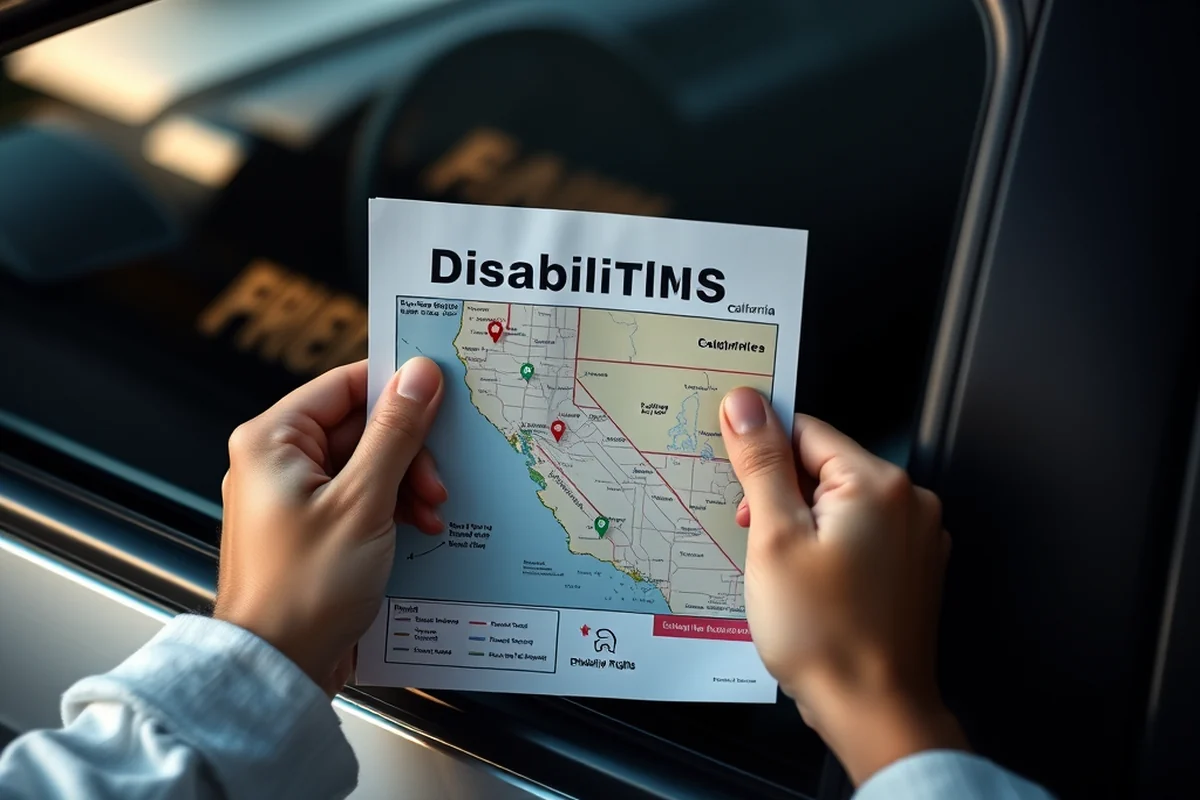
The Americans with Disabilities Act (ADA) is a federal law, but California has its own version, the Unruh Civil Rights Act, which protects people with disabilities from discrimination in public accommodations. This law is more comprehensive than the ADA and covers a wider range of services and facilities.
One of the most significant benefits of the Unruh Act is that it requires businesses to make reasonable accommodations for people with disabilities. This can include things like providing assistive listening devices in restaurants or ensuring that hotel rooms are accessible. I've found that businesses in California are more likely to comply with these laws than those in other states.
The law also allows people with disabilities to file complaints against businesses that fail to make reasonable accommodations. I've used this process once before, and it was surprisingly effective. The business was required to make changes within a few weeks, and I was even offered a refund for the inconvenience.
California's laws go beyond the federal standard, ensuring that accessibility is more than just a legal requirement—it's a right.
Related: Cheap handicap accessible mobile homes for sale near me
Traveling with a Service Animal in California
Under California law, service animals are allowed in most public places, including restaurants, hotels, and public transit. This includes airports, where I've traveled with my service dog without any issues. The state also requires that service animals be allowed in most private businesses, and many hotels now offer pet-friendly rooms that are accessible.
I've traveled with my service dog to several destinations in California, and I've found that most businesses are accommodating. However, it's always a good idea to inform the business in advance if you're bringing a service animal, so they can make the necessary arrangements.
One of the most important things to remember is that service animals are not pets—they are working animals. As such, they should not be asked to perform tasks that are not related to their job, such as retrieving items or providing comfort to other guests.
Make sure you have your service animal documentation with you at all times. This can help avoid confusion and ensure that your rights are respected.
“I still remember the first time I walked into a hotel in California that was fully accessible.”— Traveling with Disabilities Accessible editors
Related: California disability benefits
Accessibility in California's Parks and Recreation Areas
One of my favorite accessible parks is the Point Reyes National Seashore, which has a number of wide, smooth trails that are easy to navigate with a wheelchair. The park also offers accessible campsites, which are equipped with features like roll-in showers and accessible fire pits.
In addition to Point Reyes, there are several other accessible parks in California, including the Golden Gate National Recreation Area and the Angeles National Forest. These parks offer a range of accessible activities, from hiking to fishing, and they all have accessible restrooms and parking.
I've also found that many beaches in California are accessible, with wheelchair-friendly paths that lead directly to the water. This is especially important for people with disabilities who want to enjoy the outdoors but may not be able to walk long distances.
Related: How to apply to disability in florida
The Importance of Planning Ahead for a Trip to California
One of the most important things you can do is research the accessibility of your destination before you arrive. This includes checking the accessibility of hotels, restaurants, and public transportation. I've found that many businesses now have detailed accessibility information on their websites, which can be very helpful.[2]
Another important step is to contact the businesses you plan to visit in advance. This can help you make any necessary arrangements, such as requesting an accessible room or arranging for wheelchair assistance at an airport.
It's also a good idea to bring any necessary medical equipment with you, such as a wheelchair or mobility aid. I've traveled with my wheelchair on several occasions and have found that most hotels and airports are equipped to accommodate it.
Related: What is an access bus
Real Stories from Travelers with Disabilities in California
One traveler with a visual impairment shared that she was able to navigate San Diego with ease thanks to the city's tactile paving and accessible public transit. She also praised the staff at her hotel for their willingness to help.
Another traveler with a mobility disability shared that he was able to enjoy a trip to Yosemite National Park thanks to the accessible trails and campsites. He also noted that the park rangers were very helpful in ensuring that he could enjoy the experience.
These stories are a testament to the progress that has been made in California in terms of accessibility. They also highlight the importance of continuing to push for greater accessibility in all areas of travel.
Accessibility is not just about physical infrastructure—it's about the experiences that people with disabilities can have.
Related: What is ssi disability benefits
The Future of Accessibility in California
There are already several initiatives underway in California aimed at improving accessibility for people with disabilities. These include expanding the use of accessible public transit, improving the accessibility of hotels and restaurants, and increasing the number of accessible parks and recreation areas.
One of the most promising developments is the increasing number of businesses that are voluntarily making their facilities more accessible. This is a sign that the private sector is recognizing the importance of accessibility and is taking steps to ensure that everyone can enjoy the same experiences.
As a traveler with a disability, I'm excited about the future of accessibility in California. I believe that with continued efforts, we can create a world where everyone has the opportunity to travel freely and enjoy the beauty of the state.
💰 Budget Traveler
Experience California's accessibility on a budget with affordable hotels, free public transit options, and low-cost dining.
🛌 Long Weekend Getaway
Escape for a quick trip with accessible hotels in major cities like San Francisco and Los Angeles, featuring everything you need for a relaxing stay.
👨👩👧👦 Family Travel with Kids
Explore family-friendly destinations with accessible parks, museums, and restaurants that cater to travelers of all abilities.
🍂 Off-Season Travel
Take advantage of lower prices and fewer crowds by traveling during the off-season, while still enjoying accessible accommodations and services.
💎 Luxury Traveler
Indulge in luxury with accessible five-star hotels, private tours, and personalized services that cater to travelers with disabilities.
| The mistake | Why it happens | The fix |
|---|---|---|
| Assuming all hotels in California are accessible. | Not all hotels in California are accessible, and it's important to check the accessibility of a hotel before booking. | Always check the accessibility of a hotel before booking, and contact the hotel in advance to confirm that they can accommodate your needs. |
| Not bringing necessary medical equipment. | Bringing necessary medical equipment, such as a wheelchair or mobility aid, is essential for a smooth trip. | Make sure to bring any necessary medical equipment with you, and check that the destination is equipped to accommodate it. |
| Assuming that service animals are not allowed in public places. | Under California law, service animals are allowed in most public places, and it's important to know your rights. | Always carry your service animal documentation with you, and be prepared to explain the role of your service animal if needed. |
| Not planning ahead for a trip to California. | Planning ahead is essential when traveling to California with a disability, as it can help avoid unnecessary stress and ensure a smoother trip. | Research the accessibility of your destination before you arrive, and contact the businesses you plan to visit in advance. |
| Assuming that all public places are accessible. | Not all public places in California are accessible, and it's important to be prepared for potential barriers. | Always be prepared for potential barriers to accessibility, and have a plan in place for how to navigate them. |
Disability Rights California
Common Questions
Are all hotels in California accessible?
Can I bring my service animal to all public places in California?
What should I do if I encounter a barrier to accessibility in California?
Are there accessible beaches in California?
Cite this guide
Traveling with Disabilities Accessible (2026). Disability Rights California. https://accessibleroam.com/disability-rights-california/[3]
Feel free to cite or share this guide.
References
- Fulbright Foreign Students Explore Disability Rights in California (2009-2017.state.gov)
- Disabilities Resources – Los Angeles County Aging & Disabilities (ad.lacounty.gov)
- Guide to Disability Rights Laws | ADA.gov (ada.gov)
- Accessibility Services - Calbright College (calbright.edu)