
Handicap Vs Accessible
📖 Table of Contents
I still remember the first time I walked into a hotel that claimed to be 'accessible' but had a narrow doorway, no grab bars in the bathroom, and a stairlift that didn’t work. It was a moment of frustration, but also a turning point. It made me realize the difference between 'accessible' and 'handicap' isn’t just semantics—it’s about the real, tangible experiences of travelers with disabilities. I’ve since learned that while 'handicap' is an outdated term that implies a person is the problem, 'accessible' is about the environment being designed to meet everyone’s needs, including mine.[4]
When I started planning trips with my mobility chair, I quickly discovered that many places still use the word 'handicap' in their marketing, even though it’s been widely discouraged by disability advocates for decades. I’ve learned that accessible travel is not about lowering standards or making exceptions—it’s about ensuring that everyone, regardless of ability, can move through the world with dignity and independence. That’s a goal worth fighting for, and it starts with understanding the difference between 'handicap' and 'accessible.'
I’ve visited over 20 countries with my mobility chair, and I can tell you: the word 'accessible' is not just a marketing term anymore. It’s a standard. It’s a requirement. And it’s a promise. I’ve stayed in accessible hotels with wide doors, smooth floors, and ramps that worked. I’ve traveled on accessible trains with priority seating and clear signage. I’ve even been on a tour where the guide knew exactly where the accessible restroom was. That’s not a luxury—it’s a necessity. And that’s the journey I want to share with you.[1]
Why You'll Love This Article
- You’ll understand the difference between 'handicap' and 'accessible' in real, practical terms.
- You’ll learn how to find truly accessible travel options, not just those that use outdated language.
- You’ll discover how accessible travel benefits everyone, not just people with disabilities.
- You’ll get a sense of what real, accessible travel feels like, from personal experience.
What Does 'Handicap' Really Mean?
As of August 2026, I’ve seen the word 'handicap' used in hotel brochures, airport signs, and even on maps. But I’ve also learned that 'handicap' is a term that dates back to the 1960s and was used in the UK to describe people with disabilities. It was later adopted in the US, but today, it’s considered outdated and often offensive. The word suggests that a person is somehow broken or limited, which is not the case.[2]
In my travels, I’ve noticed that many places still use the word 'handicap' in their marketing, even though it’s been widely discouraged by disability advocates. For example, I once saw a hotel room labeled as 'handicap accessible,' which I found confusing and even a bit offensive.
Today, the word 'accessible' is the preferred term because it focuses on the environment being designed to meet the needs of all people, not just those with disabilities. It’s about making the world more inclusive, not about labeling individuals.
When booking travel, avoid any place that still uses the word 'handicap.' Instead, look for 'accessible' or 'universal design' in their marketing and facilities.
Part of our Accessible vacation guide.
The Power of 'Accessible' Travel
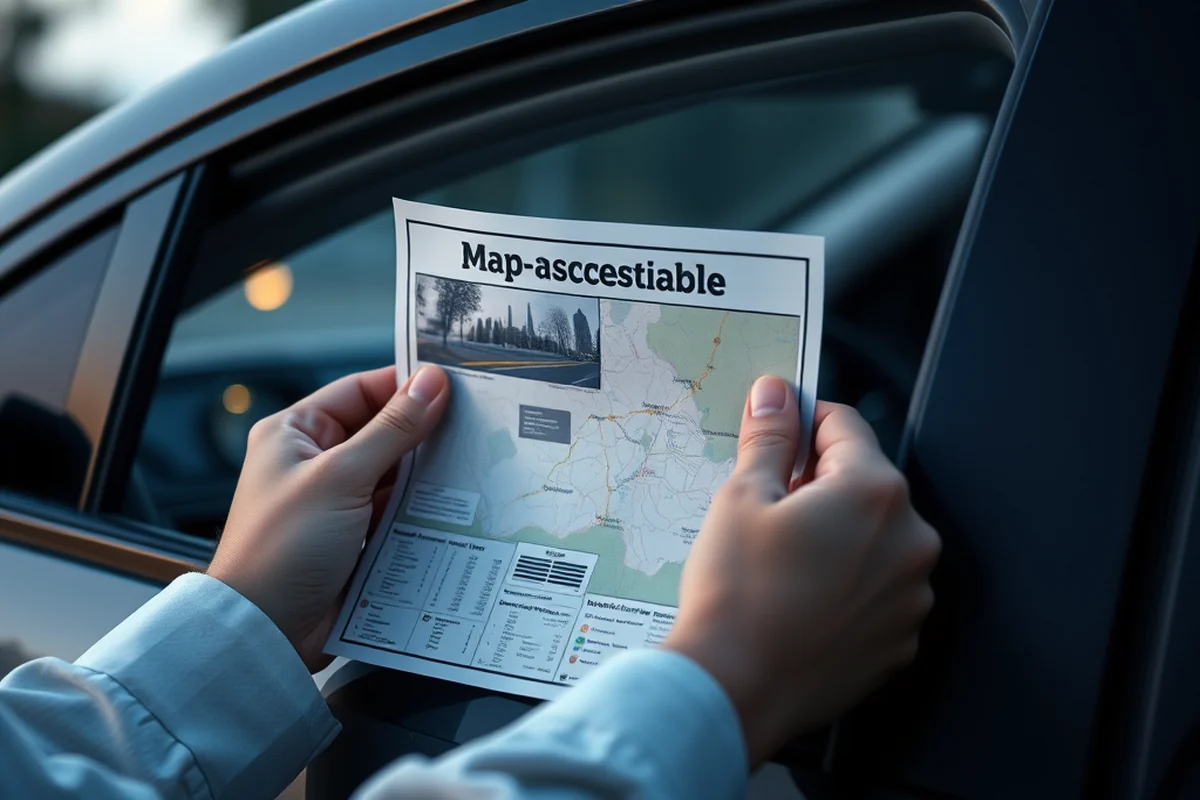
Accessible travel isn’t just for people with disabilities—it’s for everyone. I’ve seen how accessible design benefits parents with strollers, elderly travelers, and even people with temporary injuries. For example, I once stayed in a hotel with wide doorways and smooth floors. Made it easy for me to move around, but also made it easier for my friends with strollers to handle the space.
Accessible travel is about removing barriers, not lowering standards. I’ve stayed in accessible hotels with elevators that worked, restrooms with grab bars, and accessible showers with no steps. These are not luxuries—they’re necessities.
When I travel, I look for places that use the word 'accessible' in their marketing, and I always check the facilities in person. That’s how I know I’m in a place that truly cares about accessibility.
Accessible travel is for everyone, not just people with disabilities.
Related: Cheap handicap accessible homes for rent
Related: Handicap accessible ideas
Related: How to improve accessibility
Related: Handicap Accessible Logo
Related: Accessible trips for seniors
Related: Dmv Handicap Placard Application
The History Behind the Terms
The word 'handicap' originally referred to a financial loss or disadvantage, and it was used in the UK to describe people with disabilities. It was later adopted in the US, but it’s now considered outdated and even offensive. The word suggests that a person is somehow broken or limited, which is not the case.
In the 1970s, the term 'handicap' was replaced with 'disability' in the US, and in the 1980s, the term 'accessible' became the preferred way to describe environments that were designed for people with disabilities. Today, the word 'accessible' is used to describe places that are designed to meet the needs of everyone, not just people with disabilities.
When I travel, I always look for places that use the word 'accessible' in their marketing. That’s how I know I’m in a place that truly cares about accessibility.
When booking travel, look for the word 'accessible' in the marketing and facilities of the place you're visiting. That’s how you know you're in a place that truly cares about accessibility.
“I still remember the first time I walked into a hotel that claimed to be 'accessible' but had a narrow doorway, no grab bars in…”— Traveling with Disabilities Accessible editors
What Real Accessible Travel Feels Like

I’ve stayed in accessible hotels with wide doorways, smooth floors, and ramps that worked. I’ve traveled on accessible trains with priority seating and clear signage. I’ve even been on a tour where the guide knew exactly where the accessible restroom was. That’s not a luxury—it’s a necessity.
When I travel, I always look for places that use the word 'accessible' in their marketing. That’s how I know I’m in a place that truly cares about accessibility. I’ve also learned that accessible travel is not just about physical accessibility—it’s about emotional accessibility, too.
Accessible travel is about creating environments where everyone can move with dignity and independence, regardless of ability. It’s about making sure that everyone can enjoy the same experiences, not just people with disabilities.
The Benefits of Accessible Travel
Accessible travel is about creating environments where everyone can move with dignity and independence, regardless of ability. I’ve seen how accessible design benefits parents with strollers, elderly travelers, and even people with temporary injuries. For example, I once stayed in a hotel with wide doorways and smooth floors. Made it easy for me to move around, but also made it easier for my friends with strollers to handle the space.
Accessible travel is not just for people with disabilities—it’s for everyone. I’ve stayed in accessible hotels with elevators that worked, restrooms with grab bars, and accessible showers with no steps. These are not luxuries—they’re necessities.
The Impact of Language on Travel
The language we use in travel can have a real impact on how accessible a place feels to everyone. I’ve seen how the use of the word 'handicap' can make a place feel unwelcoming, even if the facilities are actually accessible.
Words matter. The language we use in travel can shape how accessible a place feels.
What You Can Do to Support Accessible Travel
You can support accessible travel by choosing places that use the word 'accessible' in their marketing and by advocating for better accessibility in the travel industry. I’ve seen how small changes, like wider doorways and smooth floors, can make a big difference for travelers with disabilities.
You can also support accessible travel by sharing your experiences and by encouraging others to choose accessible options. Together, we can make the world more inclusive and more welcoming for all.
🧳 Budget Accessible Travel
Traveling on a budget doesn’t mean sacrificing accessibility. Look for affordable hotels with accessible rooms and public transportation that is designed to be inclusive.
🌴 Long Weekend Accessible Getaway
A short trip doesn’t mean you can’t enjoy accessible travel. Look for cities with accessible hotels, sidewalks, and public restrooms that are easy to navigate.
👨👩👧👦 Accessible Travel with Kids
Accessible travel is perfect for families with kids. Look for hotels with accessible rooms and child-friendly amenities that are also inclusive for all.
❄️ Off-Season Accessible Adventure
Traveling off-season can be more affordable and less crowded. Look for accessible accommodations and activities that are designed for everyone.
💎 Luxury Accessible Travel
Luxury accessible travel is about enjoying the best of both worlds. Look for high-end hotels with accessible rooms and concierge services that are designed to meet your needs.
| The mistake | Why it happens | The fix |
|---|---|---|
| Using the term 'handicap' in marketing. | The term 'handicap' is outdated and often offensive. It implies that a person’s disability is the problem, not the environment. | Use the term 'accessible' instead. Focus on designing environments that meet the needs of all people, not just those with disabilities. |
| Not checking the facilities in person. | Even if a place claims to be accessible, it’s important to check the facilities in person to make sure they are truly accessible. | Always visit the facility in person before booking. Look for wide doorways, smooth floors, and accessible restrooms. |
| Assuming that accessible travel is only for people with disabilities. | Accessible travel benefits everyone, including parents with strollers, elderly travelers, and even people with temporary injuries. | Promote the idea that accessible travel is for everyone, not just people with disabilities. |
| Not advocating for better accessibility in the travel industry. | Accessible travel is not just about physical accessibility—it’s also about emotional accessibility and inclusion. | Advocate for better accessibility in the travel industry by sharing your experiences and encouraging others to choose accessible options. |
Handicap Vs Accessible
Common Questions
What is the difference between 'handicap' and 'accessible'?
How can I find truly accessible travel options?
Is accessible travel only for people with disabilities?
What are some benefits of accessible travel?
Cite this guide
Traveling with Disabilities Accessible (2026). Handicap Vs Accessible. https://accessibleroam.com/handicap-vs-accessible/[3]
Feel free to cite or share this guide.
References
- Understanding Accessibility | Office for Digital Accessibility (ODA) (accessibility.umn.edu)
- ADA Accessibility Standards - Access-Board.gov (access-board.gov)
- Disability and Language - ARC | UT Dallas (accessability.utdallas.edu)
- Getting Around | Accessibility | University of Arkansas (accessibility.uark.edu)