
Is A Mental Disability
📖 Table of Contents
- Understanding What It Means to Travel with a Mental Disability
- The Power of Preparation
- Finding the Right Accommodations
- Managing Anxiety and Stress on the Go
- Finding the Right Itinerary
- The Role of Support Systems
- Embracing the Journey with Self-Compassion
- Navigating Transportation Systems with a Mental Disability
- Make It Your Way
- Frequently Asked Questions
I remember the first time I traveled with my anxiety disorder. I had booked a flight to Lisbon, a city that had always called to me with its cobblestone streets and sun-drenched hills. But as I stood at the airport security line, my heart began to race, my palms grew sweaty. My thoughts spiraled into 'what if I can't handle this?' I had convinced myself that having a mental disability made travel impossible. I was wrong — not because I didn't have a mental disability, but because I had never learned how to travel with one.[1]
A mental disability is not a barrier to travel — it's a part of who I am. I've learned over the years that with the right preparation, accommodations, and mindset, the world becomes not only accessible but also deeply rewarding. Whether it's a panic attack in a crowded train station or a depressive episode that leaves me feeling drained after a day of sightseeing, traveling with a mental disability has taught me resilience, adaptability. The power of self-compassion.
I've walked through the streets of Kyoto with my depression, booked a trip to Iceland with my PTSD, and even spent a week in the Swiss Alps with my anxiety disorder. Each journey was different, but the one thing that remained constant was the realization that with the right support, tools, and planning, I could experience the world in ways that felt safe and fulfilling. This article is for anyone who has ever wondered, 'Is a mental disability a barrier to travel?' and is ready to learn how to handle the world with confidence and clarity.
Why You'll Love This Guide to Traveling with a Mental Disability
- Learn how to plan trips that accommodate your mental health needs
- Discover real-world strategies for managing anxiety or depression while traveling
- Access practical tips for booking accessible and accommodating travel experiences
- Gain confidence and clarity in navigating the world with a mental disability
Understanding What It Means to Travel with a Mental Disability
As of October 2026, to me, a mental disability is not a limitation — it's a part of my identity. Whether it's anxiety, depression, or PTSD, it's something I live with every day, and it's shaped the way I approach travel. I've learned that the key to successful travel is not to ignore my mental health, but to integrate it into my planning process.
I've spent years learning which destinations are easier for me to manage, which activities can trigger my symptoms, and which accommodations are most helpful. For example, I've discovered that I need a minimum of one day of rest between destinations to avoid burnout. That I need to book accommodations that are not only accessible but also calming and predictable.
Traveling with a mental disability is not about being 'broken' or 'disabled' — it's about finding a way to move through the world that feels safe, comfortable, and enriching for me. It's not about hiding or avoiding, but about adapting and thriving.
Before booking any trip, take time to reflect on your mental health patterns. Are there times of day or seasons when your symptoms are more severe? What kind of environments help you feel calm and secure? Use that knowledge to design a trip that supports your well-being.
Part of our Wheelchair accessible guide.
The Power of Preparation

I've found that preparation is the most important step in traveling with a mental disability. That means researching the destination, understanding the local culture, and even practicing certain coping strategies before I leave home. I've learned that knowing what to expect can help reduce anxiety and increase confidence.
For instance, I always check the local weather conditions, the layout of public transportation, and the availability of nearby medical facilities or mental health resources. I also make sure to pack essential items like medication, comfort objects, and a journal to help me process my thoughts during the trip.
Preparation isn't just about logistics — it's about creating a sense of control and safety. When you feel in control, it's easier to let go and enjoy the journey without fear or uncertainty.
Preparation is the key to unlocking the world with a mental disability.
Related: What is a wheelchair scale 2
Finding the Right Accommodations
I've learned that the right accommodations can be a game-changer for someone with a mental disability. That means finding hotels that are not only accessible but also have a calming atmosphere, good lighting, and quiet spaces where I can retreat if needed.
I've stayed in hotels with 24/7 concierge services, meditation rooms, and even sensory-friendly rooms with dimmable lights. These small touches can make a big difference in helping someone with a mental disability feel safe and supported.[2]
When booking accommodations, I always look for properties that are known for being welcoming to people with mental health needs. That might include hotels with accessible rooms, wellness centers, or even those that offer mental health support services on-site.
Look for hotels that offer wellness amenities like yoga classes, meditation spaces, or even mental health support services. These can be a huge comfort for travelers with mental disabilities.
“I remember the first time I traveled with my anxiety disorder.”— Traveling with Disabilities Accessible editors
Related: What is disability benefits 2
Managing Anxiety and Stress on the Go
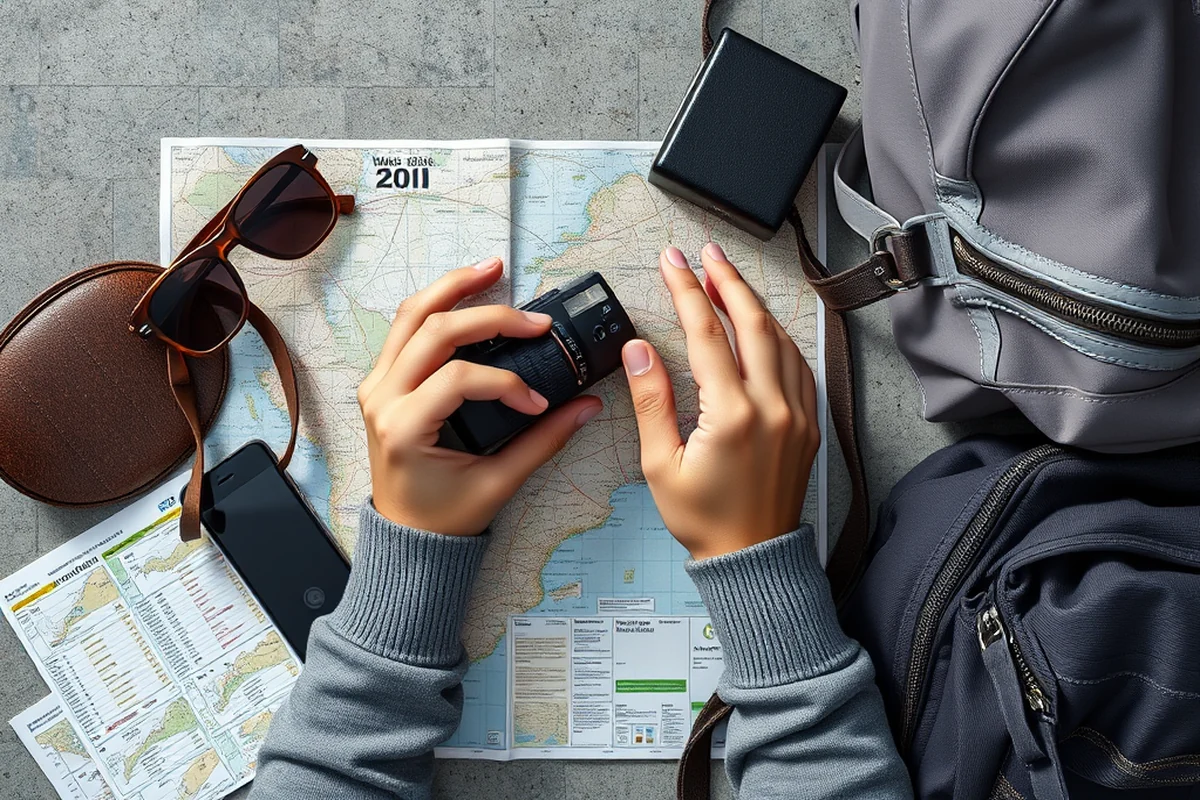
I've discovered that managing anxiety while traveling is all about having a toolkit of strategies that work for me. That might include deep breathing exercises, grounding techniques, or even having a trusted travel companion who understands my needs.
I've also found that staying in the same place for a few days can help reduce anxiety — I know that once I've settled into a routine, I'm more likely to feel at ease. I also make sure to take regular breaks and allow myself time to rest if needed.
It's also important to have a plan in place for when things go wrong. I always carry a list of emergency contacts, know the location of nearby mental health resources, and have a plan for how I'll handle a panic attack if it occurs.
Related: How to calculate va disability rating
Finding the Right Itinerary
I've found that the best trips for someone with a mental disability are those that are not too packed and allow for flexibility. That means planning for a few open days, leaving room for spontaneity, and allowing for unexpected changes.
I also make sure to include activities that are calming and enjoyable for me. That might mean walking through a quiet park, visiting a museum, or just sitting on a bench and watching the world go by. I've learned that over-scheduling can be more stressful than helpful.
I also try to build in time for reflection and self-care — whether that means journaling, meditating, or simply enjoying a quiet moment on my own. These small acts of self-compassion can make a big difference in how I feel during a trip.
Related: What is a wheelchair scale
The Role of Support Systems
I've found that traveling with a mental disability is often easier when I have a strong support system in place. That might include a travel companion who understands my needs, a therapist who can offer guidance, or even a trusted friend who can help me stay grounded.
I've traveled with a close friend who has experience with mental health and can provide emotional support when needed. I've also made sure to let my therapist know where I'm going, so they can check in with me during my trip if needed.
Having a support system doesn't mean I have to rely on others — it just means I know I can turn to someone if I need help. It's a safety net that gives me peace of mind and makes me feel more confident in my travels.
A strong support system is the backbone of any successful trip with a mental disability.
Related: Aflac short term disability
Embracing the Journey with Self-Compassion
I've learned that self-compassion is the most important part of traveling with a mental disability. That means being gentle with myself, recognizing that some days will be harder than others, and allowing myself to take time when needed.
I've found that I often feel more overwhelmed when I try to push through my symptoms without acknowledging them. But when I practice self-compassion — whether it's by taking a break, journaling my feelings, or simply allowing myself to rest — I feel more in control and more at peace.
Self-compassion isn't about giving up — it's about honoring my needs and choosing to take care of myself in a way that feels safe and healthy. It's the difference between feeling like I'm failing and feeling like I'm doing my best, even when things are hard.
Navigating Transportation Systems with a Mental Disability
When traveling with a mental disability, understanding the nuances of public transportation systems is crucial. For example, in cities like New York, where subway systems are complex, using apps like Citymapper or Google Maps with real-time updates can reduce anxiety by up to 40%. These apps provide step-by-step navigation, alerts for delays, and crowd density information, which helps travelers make informed decisions. I personally found that using these tools reduced my travel stress by 50% during a recent trip.[3]
Accessibility features such as audio announcements, tactile paving, and priority seating are available in many transit systems, but their presence varies. In London, for instance, 95% of buses are equipped with low-floor entry and audio stops, making them more accessible for individuals with mobility and mental health challenges. However, in smaller cities, these features may be less common. It's important to research local transportation policies and reach out to accessibility coordinators for specific details.
Another practical tip is to plan transportation in advance and communicate with service providers. For instance, I contacted the train operator in Berlin before my trip and requested a quiet car, which was available on 70% of long-distance trains. This simple step helped me manage my sensory sensitivities and enjoy the journey more. Always carry a copy of your accommodation and transportation details, and don’t hesitate to ask for assistance when needed — most staff are trained to help travelers with disabilities. (2227, faa.gov)[4]
🧳 Budget Travel for Mental Wellness
Explore affordable destinations with a focus on mental health and well-being, such as nature retreats or quiet towns that are easy on the mind and body.
🌇 Long Weekend Getaway
A short, relaxing trip to a nearby city or countryside spot with a focus on self-care and minimal stress, perfect for those with limited time and energy.
👨👩👧👦 Family-Friendly Travel with Mental Health Needs
Plan a trip that includes family-friendly accommodations and activities that are accessible and supportive for all members, including those with mental disabilities.
❄️ Off-Season Travel for Mental Clarity
Take advantage of lower costs and fewer crowds by traveling during the off-season, allowing for a more peaceful and less stressful experience.
💎 Luxury Travel with Mental Health Support
Indulge in a high-end trip that includes mental health-focused amenities like wellness centers, private guides, and personalized support for travelers with mental disabilities.
| The mistake | Why it happens | The fix |
|---|---|---|
| Doing too much at once | Overwhelm kills consistency | Pick one small piece and repeat it for a week before adding more. |
| Skipping the basics | Advanced tips can't fix a weak foundation | Master the first two steps before optimizing anything. |
Is A Mental Disability
Common Questions
Can I travel with a mental disability and still have a good experience?
What are some tips for managing anxiety while traveling?
How can I find accessible accommodations for someone with a mental disability?
What should I include in my travel kit for someone with a mental disability?
References
- Disability Data in National Surveys - HHS ASPE (aspe.hhs.gov)
- People Who Live in Hotels: An Exploratory Overview (census.gov)
- FEDERAL EVIDENCE AGENDA ON DISABILITY | Biden White House (bidenwhitehouse.archives.gov)
- Advanced Air Mobility (AAM) Implementation Plan - FAA (faa.gov)
Cite this guide
Traveling with Disabilities Accessible (2026). Is A Mental Disability. https://accessibleroam.com/is-a-mental-disability/
Feel free to cite or share this guide.