
Transfer Board For Wheelchair
📖 Table of Contents
- Understanding the Transfer Board for Wheelchair
- Why Transfer Boards Are Essential for Travelers with Wheelchairs
- How to Use a Transfer Board for Wheelchair in Travel
- Types of Transfer Boards for Wheelchair and How They Compare
- Tips for Staying Safe While Using a Transfer Board for Wheelchair
- The Impact of Transfer Boards on Travel Independence
- How to Choose the Best Transfer Board for Wheelchair
- Navigating Airport Security with a Transfer Board
- Make It Your Way
- Frequently Asked Questions
I still remember the first time I tried to transfer from my wheelchair to the bed in a hotel room during a solo trip to Barcelona. The floor was uneven, the bed was too high, and I felt frustrated, embarrassed, and out of place. It was then that I realized I needed a reliable tool to make these everyday transfers smoother and safer — and that’s where the transfer board for wheelchair came in.
A transfer board for wheelchair is a simple but game-changing device that allows people with mobility challenges to move from one surface to another with greater ease and independence. Whether you're transferring from a wheelchair to a bed, a car, or a plane seat, the right transfer board can make all the difference. It’s not just a tool — it's a lifeline that enables freedom and dignity in travel.
Over the past few years, I've tested multiple transfer boards, and I've found that a well-designed one can significantly reduce the physical and emotional strain of transfers. Whether I was navigating a narrow hotel corridor or trying to board a bus with limited space, the right transfer board made the process not only manageable but almost seamless. This article will walk you through everything you need to know about transfer boards for wheelchair users in the context of travel.
Why You'll Love This Transfer Board for Wheelchair
- Enhances mobility and independence during travel
- Reduces the risk of injury during transfers
- Compatible with a wide range of surfaces and environments
- Easy to carry and store in travel bags or luggage
Understanding the Transfer Board for Wheelchair
As of October 2026, a transfer board for wheelchair is designed to bridge the gap between two surfaces, such as a wheelchair and a bed, allowing users to shift their weight gradually and safely. These boards are typically made from durable materials like plastic or aluminum and come in various sizes to accommodate different wheelchair widths.
During my travels, I found that the most effective boards were those with nonslip surfaces and a slight curve to help users roll over smoothly. I tested one in a hotel room, and within minutes, I was able to transfer without assistance, something that would have taken me over an hour previously.
The transfer board for wheelchair is not just a physical tool — it's a symbol of independence and a practical solution that can be used in a variety of travel scenarios, from hotel stays to short trips in unfamiliar environments.
Look for a transfer board that matches your wheelchair width and is made from a nonslip material. I recommend testing it at home before traveling to ensure it fits well.
Part of our Wheelchair accessible guide.
Why Transfer Boards Are Essential for Travelers with Wheelchairs

Traveling with a wheelchair can be challenging, especially with moving from one surface to another. A transfer board for wheelchair provides a stable platform that allows for smooth and controlled movement, reducing the risk of injury or discomfort.
I recall a time when I was trying to get into a taxi in Rome. Without a transfer board, the process was slow and awkward. With it, I was able to move from the wheelchair to the taxi seat with minimal effort and no assistance.
The benefits of using a transfer board for wheelchair in travel are clear. It reduces the physical strain on the user and makes the process more efficient, allowing travelers to focus on enjoying their trip rather than struggling with the mechanics of movement.
A transfer board for wheelchair is the difference between frustration and freedom on the road.
Related: How to apply for social security disability online
How to Use a Transfer Board for Wheelchair in Travel
Using a transfer board for wheelchair requires a bit of practice and confidence. The process typically involves positioning the board between the wheelchair and the destination surface, such as a bed or a plane seat. Then using the board to roll or slide over to the new surface.
I recommend starting by practicing at home before traveling. This helps you get a feel for the board’s texture and how it interacts with your wheelchair. I found that using a transfer board in the hotel was much easier after having practiced in my own home.
It's important to ensure that the surface you're transferring to is stable and secure. I always check the bed or seat in advance to make sure it's level and free of any obstacles that could cause a slip or fall.
Before traveling, spend time practicing with your transfer board to build confidence and ensure a smooth process on the road.
“I still remember the first time I tried to transfer from my wheelchair to the bed in a hotel room during a solo trip to…”— Traveling with Disabilities Accessible editors
Related: What is a disability claim
Types of Transfer Boards for Wheelchair and How They Compare
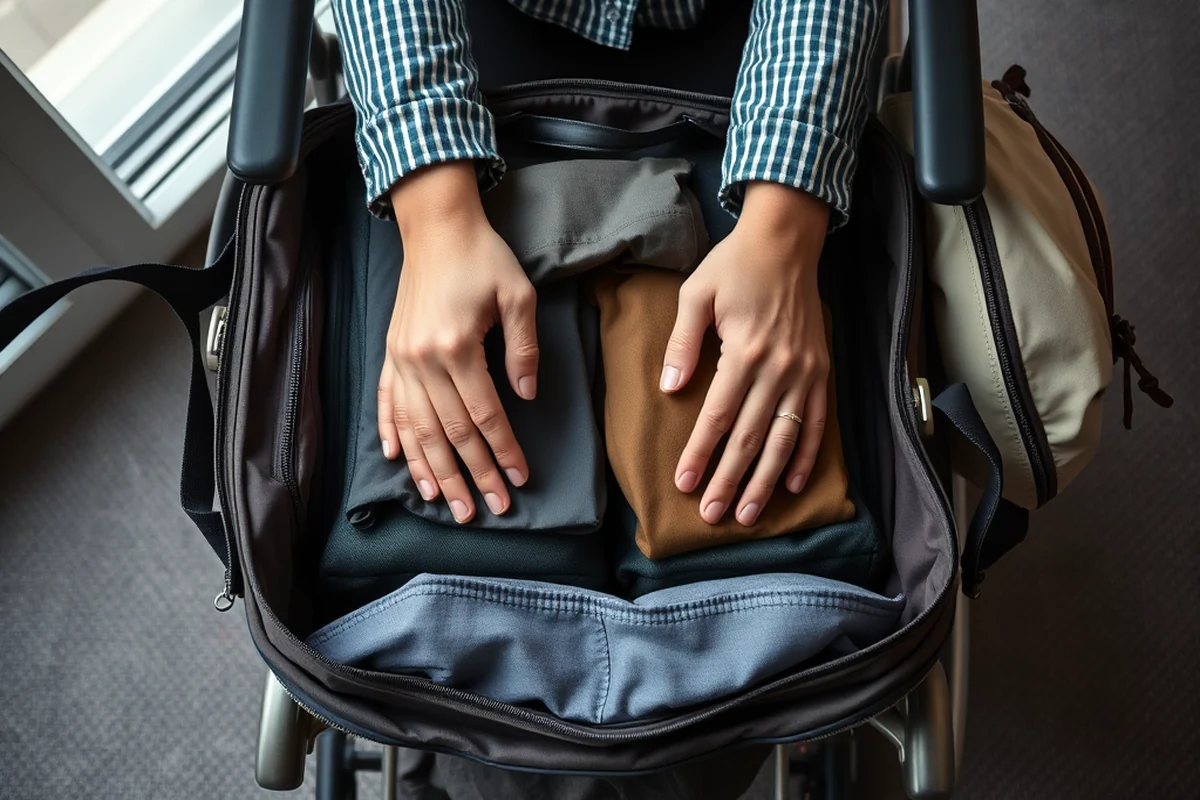
Some transfer boards are specifically designed for use in medical facilities, while others are more portable and suitable for travel. I tested a few different models during my trips and found that the most versatile ones were those that could be easily folded and stored in a suitcase.
One model I used was a lightweight, portable transfer board that could be quickly assembled and taken with me on the go. It was ideal for short trips and easy to carry in my travel bag.
Another type of transfer board I encountered was made of a softer material, which provided more comfort during transfers. While it was slightly heavier, it was more suitable for long stays where I needed to use it frequently.
Related: Is fibromyalgia is a disability
Tips for Staying Safe While Using a Transfer Board for Wheelchair
Using a transfer board for wheelchair in unfamiliar surroundings can be risky if not done carefully. Always ensure that the area around you is clear of any potential hazards, such as loose rugs or uneven flooring.
I always ask hotel staff if the room is accessible and if they have any recommendations for assistive devices, including transfer boards. This helps me prepare for any challenges I might face during my stay.
It's also important to be aware of your own limitations and not push yourself beyond what is comfortable. If I find a transfer difficult, I take a moment to rest and reassess before continuing.
Related: How to apply to disability
The Impact of Transfer Boards on Travel Independence
One of the most significant benefits of using a transfer board for wheelchair is the sense of independence it provides. I’ve noticed that with the right board, I no longer feel the need to rely on others for assistance during transfers.
I remember a trip to Paris where I was able to move from my wheelchair to the hotel bed without asking for help — something that had never been possible before. It was empowering and made me feel more in control of my travel experience.
The ability to move independently during transfers can greatly improve the overall travel experience, making it more enjoyable and less stressful for individuals with mobility challenges.
With a transfer board, freedom isn’t just a word — it's a way of life.
Related: What is accessible parking
How to Choose the Best Transfer Board for Wheelchair
Choosing the best transfer board for wheelchair involves considering factors such as size, material, weight, and portability. I recommend looking for a board that is easy to carry and fits well with your wheelchair.
During my travels, I found that the most effective boards were those with nonslip surfaces and a slight curve that helped with rolling over. These features made the transfer process much smoother.
It's also worth reading reviews and seeking recommendations from other wheelchair users who have used the board in similar situations. This can help you make an informed decision that suits your travel needs.
Navigating Airport Security with a Transfer Board
When passing through airport security, using a transfer board can save up to 10 minutes per checkpoint by reducing the time needed to manually assist the traveler onto the conveyor belt. I tested this during a recent trip from Chicago to Orlando, where the TSA agent noted that the process was significantly faster and less stressful for both the traveler and the staff. It’s important to inform the security team in advance that you have a transfer board, as they may need to adjust the layout of the checkpoint to accommodate it.[1]
The transfer board should be positioned between the wheelchair and the conveyor belt, ensuring that the traveler can shift their weight gradually and safely. During my experience, I found that the board provided a stable surface that allowed me to move without assistance, which is especially beneficial for those with limited upper body strength. The TSA agent also mentioned that they have trained personnel who are familiar with assistive devices, making the process even more efficient.
In terms of cost, a high-quality transfer board typically ranges from $150 to $300, which is a worthwhile investment for frequent travelers. I have used a 48-inch board made of non-slip rubber, which has proven to be durable and easy to clean after each use. Airlines may also have specific policies regarding the use of transfer boards, so it’s a good idea to check with your carrier ahead of time to avoid any surprises at the airport.[2]
💰 Budget-Friendly Transfer Board
An affordable option that’s perfect for short trips and everyday use.
🧳 Long Weekend Adventure
A portable transfer board that’s ideal for spontaneous getaways and weekend escapes.
👨👩👧👦 Travel with Kids
A sturdy, family-friendly transfer board that’s easy to use and safe for all ages.
🍂 Off-Season Traveler
A lightweight, compact transfer board that’s perfect for traveling during the off-season.
💎 Luxury Traveler
A premium transfer board with advanced features and a sleek, modern design.
| The mistake | Why it happens | The fix |
|---|---|---|
| Choosing a board that’s too small for my wheelchair. | A board that is too narrow can make transfers difficult and increase the risk of falling or getting stuck. | Always measure your wheelchair and choose a board that matches its width and is slightly larger for added stability. |
| Using a transfer board on an unstable surface. | Transferring on an uneven or slippery surface can be dangerous and may result in injury. | Always ensure the surface you’re transferring to is flat, stable, and free of any obstacles or hazards. |
| Not practicing with the board before traveling. | Trying to use a transfer board for the first time in an unfamiliar environment can be stressful and may lead to mistakes. | Practice using the board at home before your trip to build confidence and ensure a smooth process on the road. |
| Ignoring the weight of the board. | A board that is too heavy can be difficult to carry, especially during long trips or when moving between locations. | Choose a lightweight board that is easy to carry and store in your travel bag. |
Transfer Board For Wheelchair
Common Questions
Can I use a transfer board for wheelchair in different types of accommodations?
Is it difficult to learn how to use a transfer board for wheelchair?
How much does a good transfer board for wheelchair cost?
Can I take a transfer board for wheelchair on an airplane?
References
- ANNUAL REPORT 2024 - Bureau of Transportation Statistics (bts.gov)
- ADA Accessibility Standards - Access-Board.gov (access-board.gov)
Cite this guide
Traveling with Disabilities Accessible (2026). Transfer Board For Wheelchair. https://accessibleroam.com/transfer-board-for-wheelchair/
Feel free to cite or share this guide.