
Traveling With Disabled Person
📖 Table of Contents
- How to Choose the Right Destination
- Accommodation: More Than Just a Room
- Transportation: Getting There and Around
- Accessibility at Attractions: What to Expect
- Planning the Itinerary: Pacing and Flexibility
- The Emotional Impact of Traveling with a Disabled Person
- What to Do If You Encounter a Barrier
- Make It Your Way
- Frequently Asked Questions
Traveling with a disabled person is more than just planning a trip — it's about creating a shared experience where both traveler and companion can feel safe, included, and excited. I remember the first time I took my brother with cerebral palsy to a coastal town in Maine. We had to call ahead to make sure the hotel had a ramp and a roll-in shower, and the moment we got to the room, I realized just how much preparation really matters. Traveling with a disabled person isn't just about accessibility; it's about intention and planning. It requires a different kind of preparation, but the reward is a trip that's not only inclusive but also deeply meaningful.[1]
When I started planning trips with my brother, I quickly learned that accessibility is not a binary — it's a spectrum. Some places are fully accessible, others have partial accommodations, and some just aren't built for people with mobility or sensory challenges. I've learned to ask about things like door widths, elevator availability, and even the texture of surfaces in hotels. These details make all the difference. One time, we visited a museum that had a tactile tour for visually impaired guests, and it made my brother feel not just included, but celebrated in a way I hadn't expected.[2]
Traveling with a disabled person has transformed the way I approach planning. It's not just about the destination anymore — it's about how we get there, how we stay, and how we move through each space. I've learned to book flights with extra legroom, choose hotels with accessible entrances, and research destinations that have wheelchair-friendly trails or transportation. It's not always easy, but it's always worth it. The joy of seeing a loved one experience a new place, feeling capable and excited, is something I wouldn't trade for anything. (70%, untourism.int)[3]
Why You'll Love This Article
- Detailed steps to make your travel plans inclusive and accessible for disabled companions.
- Real-world examples of accessible travel experiences, from hotels to transportation.
- Tips on navigating the sometimes confusing world of accessible travel, including how to ask the right questions.
- Insight into the emotional and practical rewards of traveling with a disabled person.
How to Choose the Right Destination
As of August 2026, I learned early on that not all destinations are created equal with accessibility. I once booked a trip to a European city with a mobility-impaired friend, only to find that the cobblestone streets made it impossible to get around without assistance. That experience taught me the importance of researching not just the hotel, but the entire city — its public transportation, street layouts, and even the availability of ramps or lifts at local attractions.[4]
I now prioritize destinations that have well-established accessibility programs, such as cities that offer free shuttle services for people with disabilities or have a high number of wheelchair-friendly public restrooms. These small details can make a trip feel less like a struggle and more like an adventure.
Another tip I've picked up is to look for destinations that have a strong community of travelers with disabilities. These places often have better infrastructure and more understanding locals. I've found that cities like Barcelona, London, and even Tokyo are surprisingly accessible and have a lot of resources for people with disabilities.
Before booking, look up accessibility reports or user reviews from people with similar needs. You can also use Google Maps to check for wheelchair accessibility ratings at hotels and attractions.
Part of our Disabled accessible guide.
Accommodation: More Than Just a Room
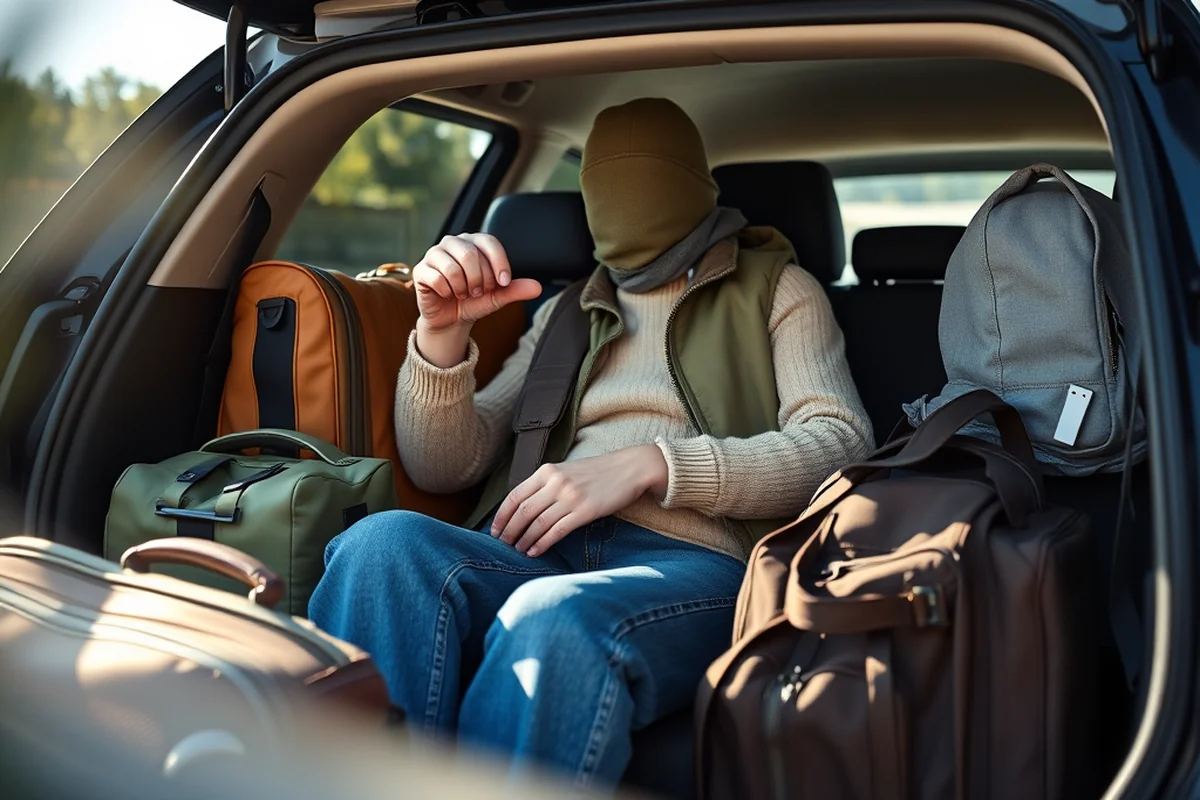
When I first started traveling with my brother, I assumed that 'accessible rooms' would be enough. But I quickly learned that accessibility is about much more than just the room itself. I once stayed at a hotel that had an accessible room, but the staff had no training on how to assist guests with disabilities. It was a frustrating experience.
Now, I always look for hotels that have clear accessibility information on their websites, including details like roll-in showers, grab bars, and accessible doorways. I also make sure to contact the hotel directly before booking to ask about things like accessibility of common areas, elevators, and even the restaurant.
One of the best places I've stayed with my brother was a boutique hotel in Portland, Oregon. They had an accessible room, but also trained staff who knew how to help with mobility issues. The difference in comfort and confidence was enormous.
Accessibility isn't just about the room — it's about the entire experience.
Related: How To Travel As A Disabled Person
Related: How To Transport A Disabled Person To Another State
Related: Is venice italy handicap accessible
Related: What size is a handicap accessible bathroom
Related: Disabled accessible cottages
Transportation: Getting There and Around
I remember the first time I traveled with my brother by train. We had to book a wheelchair-friendly seat, but the staff didn't know how to secure it properly. We ended up with my brother stuck in the aisle, and I felt completely helpless. That experience taught me the importance of researching transportation options in advance.
Now, I always look for airlines and train services that have clear accessibility policies. I make sure to book wheelchair-friendly seating, request assistance in advance, and even ask about the availability of lifts or ramps at stations. I've found that airlines like Delta and British Airways have excellent accessibility programs for passengers with disabilities.
With local transportation, I always check if the city has a reliable accessible shuttle service or if taxis are equipped for wheelchair users. I once used a city's free accessible bus service to get around, and it made the trip feel more manageable and less stressful.
Contact airlines, train services, and local transit providers before your trip to make sure your needs are accommodated. This can prevent last-minute surprises.
“Traveling with a disabled person is more than just planning a trip — it's about creating a shared experience where both traveler and companion can…”— Traveling with Disabilities Accessible editors
Accessibility at Attractions: What to Expect

I once visited a theme park with my brother and was thrilled to find that they had a wide range of accessible rides, including a wheelchair-accessible rollercoaster. But I was also surprised to learn that not every attraction was accessible. Some rides had strict height requirements that my brother couldn't meet, even with a harness.
Now, I always check the accessibility information on attraction websites. I look for things like wheelchair-friendly entrances, accessible restrooms, and even sensory-friendly hours. I've found that places like Universal Studios and The Museum of Modern Art in New York have detailed accessibility guides that help travelers plan accordingly.
One tip I've picked up is to call the attraction directly and ask about their policies. I once called a zoo and asked if they had accessible trails, and they told me they had a full loop that was completely wheelchair-friendly. It made the trip much more enjoyable for my brother.
Planning the Itinerary: Pacing and Flexibility
I've learned that overplanning can be a big mistake. I once tried to pack six attractions into one day and my brother was exhausted by 3 p.m. Now, I plan for two to three stops a day, with plenty of time for rest and recovery.
I also always build in extra time for transitions, like getting from one attraction to another. I've found that it's easy to underestimate how long it takes to move through a crowded city or to find an accessible entrance at a museum.
One of the most important things I've learned is to be flexible. I now ask my brother how he feels each day and adjust the itinerary accordingly. This not only makes the trip more enjoyable but also shows that I value his comfort and autonomy.
The Emotional Impact of Traveling with a Disabled Person
I've seen my brother's face light up when we visit a place he's never been to before. It's incredible to see the joy in his eyes, even when the journey was challenging. These moments make all the extra planning and effort worth it.
I also know that for some people, traveling with a disabled companion can be intimidating. But I've found that when we plan well, the trip becomes a source of strength and connection for both of us.
One of the most beautiful parts of traveling with my brother is the way it has changed my perspective. I've learned to be more patient, more understanding, and more aware of the barriers people with disabilities face every day.
Traveling with a disabled person is a journey of both the body and the heart.
What to Do If You Encounter a Barrier
I remember one time when we visited a city and found that the main attraction had no wheelchair access. Instead of being discouraged, I contacted the attraction directly and asked if they had any alternative options. They had a private tour that was accessible, and it turned out to be a better experience for my brother.
Now, I always carry a list of emergency contacts, including local accessibility advocates and disability organizations. I've found that these groups can often help navigate difficult situations and provide support when needed.
If you do encounter a barrier, the most important thing is to stay calm and think of solutions. Whether it's finding an alternative route or contacting the venue for assistance, there's always a way to make the experience work.
🧳 Budget-Friendly Getaway
A low-cost trip focusing on accessible hostels, public transportation, and free attractions.
🌴 Long Weekend Escape
A quick trip with easy access to hotels, airports, and family-friendly attractions.
👨👩👧👦 Family-Friendly Adventure
A trip with accessible amenities for kids and adults with disabilities, including parks and museums.
⛄ Off-Season Travel
A quieter, less crowded trip with more flexibility and lower prices.
💎 Luxury Retreat
A high-end trip with all-inclusive accessible amenities, private transfers, and five-star hotels.
| The mistake | Why it happens | The fix |
|---|---|---|
| Assuming all accessible rooms are the same | Accessible rooms can vary widely in terms of size, layout, and features. Some rooms may not have the right amount of space for mobility devices or the correct type of shower. | Always ask the hotel for specific details about the accessible room, including dimensions, door widths, and bathroom layout before booking. |
| Not researching local transportation options | Some cities may have limited or no accessible public transportation, which can make it difficult to move around once you're there. | Research local accessibility resources in advance, such as taxi services or shuttle programs, and plan for alternate transportation if needed. |
| Overpacking the itinerary | Trying to fit too many activities into one day can be overwhelming for both you and your disabled companion, leading to exhaustion and frustration. | Plan for fewer, more manageable stops each day, and build in extra time for rest and recovery. |
| Relying solely on online accessibility information | Online information can sometimes be outdated or incomplete, leading to unexpected barriers once you arrive at your destination. | Always call the destination or attraction directly to confirm accessibility details and ask specific questions about your needs. |
Traveling With Disabled Person
Common Questions
How do I know if a hotel is accessible?
Can I travel with my wheelchair on a plane?
What should I do if I encounter an inaccessible attraction?
How can I find accessible transportation in a new city?
References
- Americans with Disabilities Act Title III Regulations | ADA.gov (ada.gov)
- Accessibility Basics | ACL Administration for Community Living (acl.gov)
- Accessible travel “a game changer” for destinations and businesses (untourism.int)
- Traveling with a Disability | US Department of Transportation (transportation.gov)
Cite this guide
Traveling with Disabilities Accessible (2026). Traveling With Disabled Person. https://accessibleroam.com/traveling-with-disabled-person/
Feel free to cite or share this guide.