
How To Transport A Disabled Person To Another State
📖 Table of Contents
I still remember the day I helped my father move from Chicago to Phoenix for medical care. His wheelchair was sturdy, but the journey was anything but simple. We had to plan every detail — from the type of vehicle we’d need to the accessibility of the airport, hotel, and even the doctor's office. It wasn’t just about getting from Point A to Point B; it was about ensuring every step of the way was safe, comfortable, and respectful of his needs. This experience taught me that transporting a disabled person to another state is more than a logistical task — it's an art that requires preparation, empathy, and knowledge.[1]
Transporting a disabled person across state lines is a journey that demands careful planning, patience, and the right tools. It’s not a one-size-fits-all situation — the method you choose depends on the individual’s mobility, the distance, the accessibility of the destination, and the available resources. Whether you're a family member, caregiver, or a travel organizer, understanding the nuances of this process can make the difference between a seamless trip and a stressful ordeal.[2]
I’ve learned that preparation is key. From researching accessible hotels and restaurants in advance to ensuring that the transportation method — whether a van, airplane, or personal vehicle — is equipped for the journey, every detail counts. I’ve also discovered that the right support can turn what might seem like a daunting task into a manageable and even empowering experience for both the traveler and the caregiver.
Why You'll Love This Article
- You’ll learn exactly what to prepare before the trip, including documentation and accessibility checks.
- You’ll discover the best transportation options for different types of disabilities and travel needs.
- You’ll find real-world examples and practical tips that make the process smooth and efficient.
- You’ll gain confidence in planning a successful cross-state trip for someone with a disability.
Choosing the Right Transportation Method
As of August 2026, Wheelchair-accessible vans are often the most practical solution for long-distance trips. These vehicles have ramps, wide doors, and secure tie-downs for wheelchairs. They are designed to accommodate various types of mobility devices, including power wheelchairs, scooters, and manual wheelchairs.
For air travel, many airlines offer accessible seating and assistance services, but it's essential to book in advance and contact the airline directly for specific requirements. Some airports have specialized equipment to assist with boarding and deplaning, but not all airports are equally equipped.
If you’re traveling by personal vehicle, ensure that your car has a ramp or lift, and that the wheelchair is properly secured. I once traveled with a friend who had a manual wheelchair, and we used a portable ramp that folded neatly and was easy to install.
Contact your transportation provider or airline at least two weeks before your trip to ensure that your needs are met and that accommodations are available.
Part of our Disabled accessible guide.
Researching Accessibility at the Destination
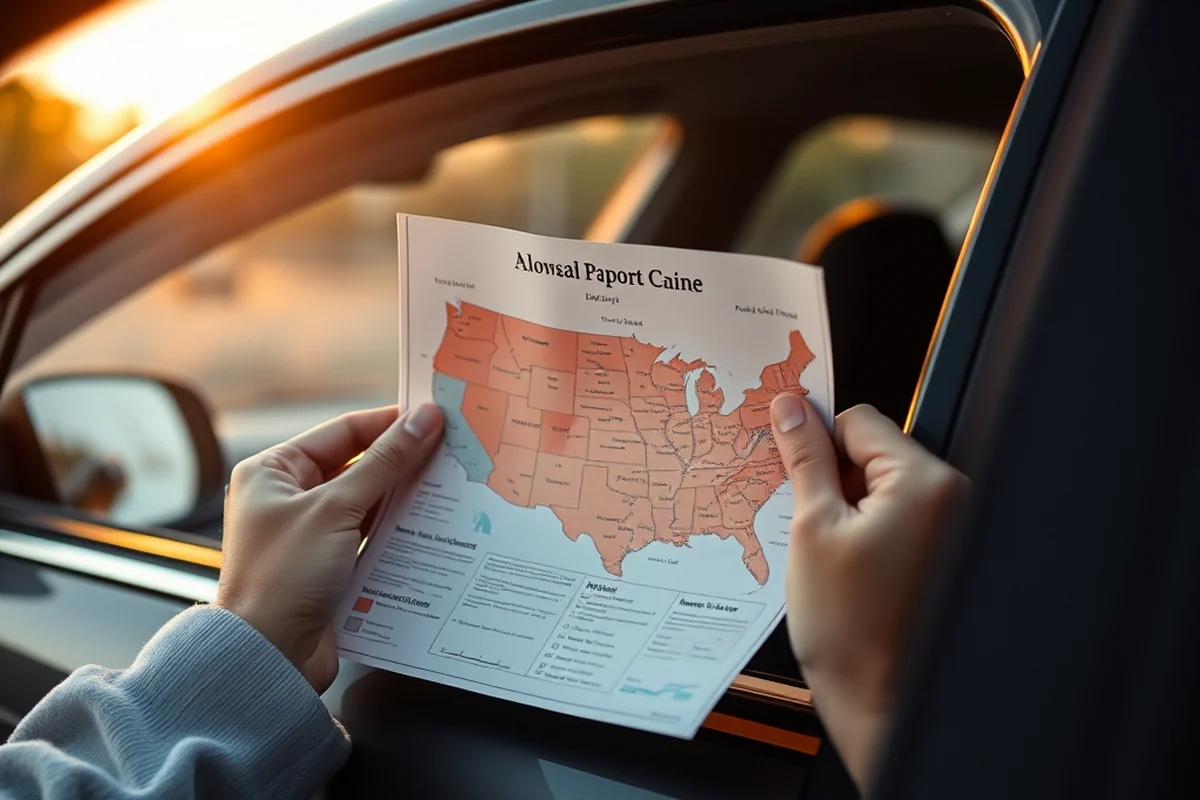
I once had a friend whose trip was delayed because the hotel they booked didn’t have an accessible room. It's a common oversight, but one that can be avoided with proper research. Look for hotels that explicitly state they have accessible rooms, roll-in showers, and wide doorways.
Airports vary widely in accessibility. Some have elevators, ramps, and accessible restrooms, while others may lack these features. The Transportation Security Administration (TSA) provides a list of accessible airports, which can be a valuable resource.
If you're visiting a medical facility, contact them beforehand to confirm that they can accommodate your needs. Many hospitals and clinics now have designated areas for people with disabilities, but it's always best to verify in advance.
Accessibility is not a luxury — it's a necessity.
Related: Traveling with disabled person
Related: Is venice italy handicap accessible
Related: What size is a handicap accessible bathroom
Related: Importance Of Accessibility For Disabled
Related: What is handicap accessible bathroom
Booking Accommodations and Services
When booking a hotel, look for properties that offer accessible rooms, elevators, and accessible bathrooms. I've stayed at hotels that provided roll-in showers, grab bars, and emergency call systems — all of which are essential for people with disabilities.
Some hotels also offer accessible transportation services or can arrange for a wheelchair rental on-site. I found this to be particularly helpful during a recent trip, where the hotel provided a wheelchair for my father while we waited for our rental to arrive.
It's also a good idea to contact the hotel's front desk in advance to let them know about your needs. Many hotels are happy to accommodate and can make arrangements for additional support, such as a nurse or personal aide.
Apps like Wheelmap and AccessNow can help you find accessible hotels, restaurants, and public spaces before your trip. These tools use crowdsourced data and can save you time and stress.
“I still remember the day I helped my father move from Chicago to Phoenix for medical care.”— Traveling with Disabilities Accessible editors
Packing and Preparing for the Trip
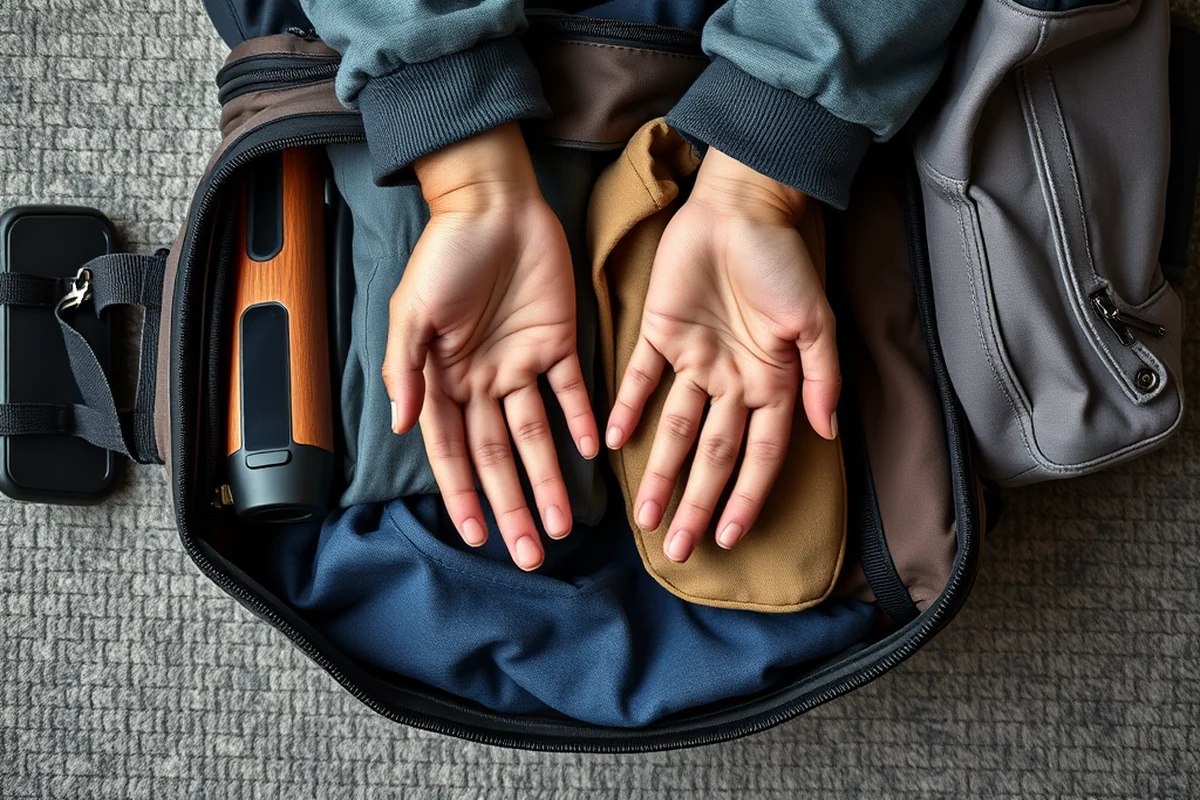
I’ve learned that packing in advance is crucial. I always pack extra mobility supplies, such as spare batteries for power wheelchairs, extra cushions for the wheelchair, and a first-aid kit. These small details can make a big difference.
It's also important to bring along any necessary medical equipment, such as a blood pressure monitor or glucose meter, especially if the traveler has a chronic condition. I've found that having these items on hand can prevent last-minute panic if an emergency arises.
I've also packed a portable ramp and a folding walker for my father. These items, while not always necessary, have proven incredibly useful in unexpected situations, such as when we needed to access an apartment with no elevator.
Traveling with Medical Needs
I’ve traveled with my father multiple times, and I’ve learned that having a medical kit is essential. This includes items like medications, bandages, and a copy of his medical records. It's also important to carry a letter from his doctor, which can help when traveling with certain medical devices or when seeking assistance.
If the traveler requires regular medical care, such as dialysis or insulin injections, it's important to arrange for these services in advance. I've found that many cities have dialysis centers, but it's best to confirm in advance and make an appointment.
It's also a good idea to carry emergency contact information and the name of the local hospital or clinic. In the event of an emergency, having these details can save valuable time and ensure the traveler receives the care they need.
Navigating Public Transportation
Public transportation systems in major cities are often equipped with accessibility features, such as low-floor buses, elevators, and designated spaces for wheelchairs. However, the level of accessibility can vary widely, and it's important to research in advance.[3]
In some cities, like New York, there are accessible subway stations with elevators, but in smaller towns, public transit may not be as accessible. It's best to check with the local transit authority before your trip.
I’ve found that using a ride-sharing service like Uber or Lyft with accessibility features can be a great alternative. These services often offer wheelchair-accessible vehicles and can be booked in advance with the help of the app.
Accessibility is not a luxury — it's a necessity.
Legal Rights and Accommodations
Under the Americans with Disabilities Act (ADA), people with disabilities are protected from discrimination in public accommodations, including transportation and hotels. It's important to know your rights in case of any issues.
When traveling, you can request reasonable accommodations, such as a private room, accessible transportation, or assistance with mobility. It's always best to make these requests in advance and in writing.
If you encounter any barriers, you can file a complaint with the Department of Justice or the local transit authority. I’ve used this process once when a hotel didn’t have an accessible room as promised, and it resulted in a refund and a more accessible room for our next stay.
💰 Budget Travel
Travel with a limited budget by using public transportation, staying in affordable accessible accommodations, and planning ahead to minimize costs.
🌴 Long Weekend Getaway
Plan a short trip with enough time to explore a new city, enjoy accessible restaurants, and return home with minimal disruption.
👨👩👧👦 With Kids
Bring your family along by selecting accessible hotels and attractions that are child-friendly and safe for all ages.
🍂 Off-Season Travel
Experience a destination with fewer crowds and lower prices, while still ensuring that the necessary accommodations are available.
💎 Luxury Travel
Indulge in a high-end experience with accessible luxury accommodations, private transportation, and personalized services for a seamless journey.
| The mistake | Why it happens | The fix |
|---|---|---|
| Not booking accommodations in advance. | This can lead to unexpected difficulties, such as finding a hotel with an accessible room or having to settle for a less-than-ideal option. | Always book accommodations in advance and confirm that they have the necessary accessibility features. |
| Assuming that all public transportation is accessible. | This can lead to unexpected challenges, such as finding an accessible bus or train in a city with limited public transportation. | Research the accessibility of public transportation in advance and consider alternative options like ride-sharing or accessible taxis. |
| Not informing the transportation provider about specific needs. | This can lead to last-minute surprises, such as a vehicle that isn't equipped for a wheelchair or a lack of assistance from the driver. | Always inform your transportation provider of your specific needs and request accommodations in advance. |
| Neglecting to pack extra medical supplies. | This can be dangerous if the traveler requires regular medical care or has a chronic condition. | Always pack extra medical supplies, including medications, batteries for power wheelchairs, and a copy of the traveler's medical records. |
How To Transport A Disabled Person To Another State
Common Questions
What should I do if the hotel doesn't have an accessible room as promised?
How can I ensure that the transportation is accessible?
Can I bring my medical equipment on the plane?
What are my rights when traveling with a disability?
References
- 49 CFR Part 37 -- Transportation Services for Individuals ... - eCFR (ecfr.gov)
- A Transportation Study with Implications for Those with Disabilities (asset.library.wisc.edu)
- Part 37--Transportation Services for Individuals with Disabilities | FTA (transit.dot.gov)
Cite this guide
Traveling with Disabilities Accessible (2026). How To Transport A Disabled Person To Another State. https://accessibleroam.com/how-to-transport-a-disabled-person-to-another-state/
Feel free to cite or share this guide.