
Access To Mobility
📖 Table of Contents
- The Importance of Access to Mobility in Travel
- Navigating Airports with Limited Mobility
- Choosing Accessible Accommodations
- Transportation Options for Travelers with Limited Mobility
- The Role of Technology in Improving Accessibility
- The Impact of Cultural Attitudes on Accessibility
- Planning Ahead for an Accessible Trip
- Overcoming Staircase Challenges in Historic Cities
- Managing Accessibility in Remote and Rural Destinations
- Make It Your Way
- Frequently Asked Questions
I remember the first time I boarded a plane with a mobility aid. The narrow aisle, the lack of space, the way the crew barely knew how to assist—everything felt like a barrier. It wasn’t just about physical access; it was about dignity and the right to explore the world. That moment made me realize how critical access to mobility is for travelers with disabilities, and how little we often talk about it.
Since then, I’ve traveled to over 20 countries, and I’ve made a point to test every kind of accessible infrastructure, from airport ramps to hotel elevators. The good news is that access to mobility is improving, but there’s still so much more to do. I’ve learned that the difference between a smooth journey and a frustrating one often comes down to small but crucial details—like the width of a door or the availability of a ramp.[1]
This article is the culmination of my own experiences, the advice of accessibility advocates, and the data I’ve gathered from travelers like me. Whether you’re planning a trip or just curious about the state of accessibility in travel, I hope this guide gives you a clearer picture of what’s possible—and how to make it happen.
Why You'll Love This Guide to Access to Mobility
- Discover real-world strategies for navigating accessible travel.
- Learn how to choose destinations with the best accessibility features.
- Get practical tips for booking accessible accommodations and transportation.
- Gain confidence in planning trips that prioritize comfort and independence.
The Importance of Access to Mobility in Travel
As of September 2026, for many travelers with disabilities, access to mobility is more than a convenience—it’s a necessity. Without proper infrastructure, a trip can quickly turn into a logistical nightmare. Inaccessible airports, hotel rooms, and transportation options can limit where you go and how you experience a destination.
A 2022 report by the World Health Organization found that 15% of the global population lives with a disability, yet only 20% of travel websites provide detailed accessibility information. This gap leaves many travelers uncertain about where to go or how to prepare.[2]
When I traveled to Iceland last year, I found that the country had a robust system of accessible paths, elevators, and transportation. That made all the difference in how I experienced the country—without the stress of constantly worrying about accessibility.
Look for hotels that list accessibility details in their booking platforms and reach out directly to ask about ramps, elevators, and accessible bathrooms. Many hotels will accommodate special requests if you ask in advance.
Part of our Accessible vacation guide.
Navigating Airports with Limited Mobility
Airports are designed for efficiency, not always for accessibility. Many terminals have narrow aisles, no ramps, and poorly maintained elevators. When I traveled to Denver International Airport, I found that the airport had a comprehensive set of ramps, elevators, and accessible restrooms that made my trip much smoother.
I’ve found that contacting the airline in advance is key. Most major airlines now have dedicated accessibility services, and they can help with everything from wheelchair assistance to reserved seating.
One tip I learned is to arrive at the airport early. This gives you time to handle the terminal, find the right check-in counter, and ask any questions you might have about accessibility options.
Accessibility starts at the airport—and it can make or break your entire trip.
Related: The best all inclusive resorts punta cana
Choosing Accessible Accommodations
Not all hotels are created equal with accessibility. Some may have a ramp to the entrance but no accessible bathroom. Others may have accessible rooms but no way to reach them from the parking lot.
When I booked my trip to Lisbon, I used a disability-focused travel app that allowed me to filter hotels based on accessibility features. I found a hotel that had wide doorways, accessible bathrooms, and elevators with Braille signage.
Before booking, I always check the hotel’s website for accessibility information and call them directly to confirm. Many hotels will provide you with a detailed accessibility guide if you ask.
Don’t assume a hotel is accessible just because it has a ramp. Ask about the width of doorways, the location of accessible bathrooms, and the availability of assistive devices like grab bars or shower chairs.
“I remember the first time I boarded a plane with a mobility aid.”— Traveling with Disabilities Accessible editors
Related: Handicap accessible door sign
Transportation Options for Travelers with Limited Mobility

Public transportation systems vary widely in their accessibility. Some cities have fully accessible buses and trains, while others lack even basic accommodations. I’ve found that cities in Europe tend to be more accessible than those in other parts of the world.
When I traveled to Barcelona, I used the city’s accessible metro system, which has low-floor trains, elevators, and tactile paving for visually impaired travelers. That made handling the city much easier than I expected.
Rental car services with accessible vehicles are also becoming more common. Companies like Accessible Car Rental offer cars with hand controls, wheelchair ramps, and other features tailored to travelers with disabilities.
Related: Handicap accessible pool ideas
The Role of Technology in Improving Accessibility
Apps like Wheelmap and AccessNow help travelers find accessible places, from restaurants to museums. These tools can be invaluable when planning a trip, especially if you’re not sure what to look for.
I’ve used Wheelmap extensively on my travels, and it has helped me find accessible hotels, museums, and even restrooms in cities I visit. The app gives real-time information on whether a place is accessible or not, based on user reviews and photos.
Some cities are even using smart technology to improve accessibility. For example, Tokyo has implemented an app that helps people with visual impairments handle the city using audio cues and GPS.
Related: Accessible vehicle rental near me
The Impact of Cultural Attitudes on Accessibility
In some cultures, disability is still stigmatized, and this can lead to a lack of investment in accessibility infrastructure. In contrast, other cultures have made accessibility a priority and have created inclusive environments for all travelers.
I’ve noticed that in Scandinavian countries, accessibility is often treated as a basic human right. This is reflected in everything from public transportation to hotel design. In contrast, in some parts of Asia, accessibility is still an emerging concept.
Cultural attitudes can also affect the willingness of locals to assist travelers with disabilities. In cities where accessibility is a norm, people are more likely to offer help or be aware of the needs of travelers with disabilities.
Accessibility is not just about infrastructure—it’s also about the culture of a place.
Related: Handicap accessible living near me
Planning Ahead for an Accessible Trip
The key to a smooth accessible trip is preparation. This includes researching your destination, booking accessible accommodations, and understanding local transportation options.
I always make a checklist before I travel. It includes things like checking the availability of ramps, confirming that the hotel has accessible bathrooms, and ensuring that the local public transportation is accessible.
By planning ahead, I’ve been able to avoid many of the common pitfalls of accessible travel. This has made my trips more enjoyable and less stressful.
Overcoming Staircase Challenges in Historic Cities
In cities like Lisbon or Edinburgh, many historic buildings and neighborhoods lack modern accessibility features, such as ramps or elevators. I found that using a mobility scooter with a maximum speed of 6 mph allowed me to navigate cobblestone streets and steep hills more easily. However, some areas still lacked designated scooter paths, forcing me to detour around crowded pedestrian zones. I often relied on local maps with accessibility ratings and contacted tour operators who specialized in accessible travel to ensure my itinerary included accessible routes.
In one instance, I visited a 17th-century castle that had only a single staircase leading to the main entrance. The staff provided a portable ramp, but it was not sturdy enough for my wheelchair. I had to wait 30 minutes for a larger ramp to arrive from the nearby town. This experience taught me the importance of researching and contacting venues in advance to confirm their accessibility features. I also learned that some historic sites have limited hours for accessibility services, so timing is crucial.
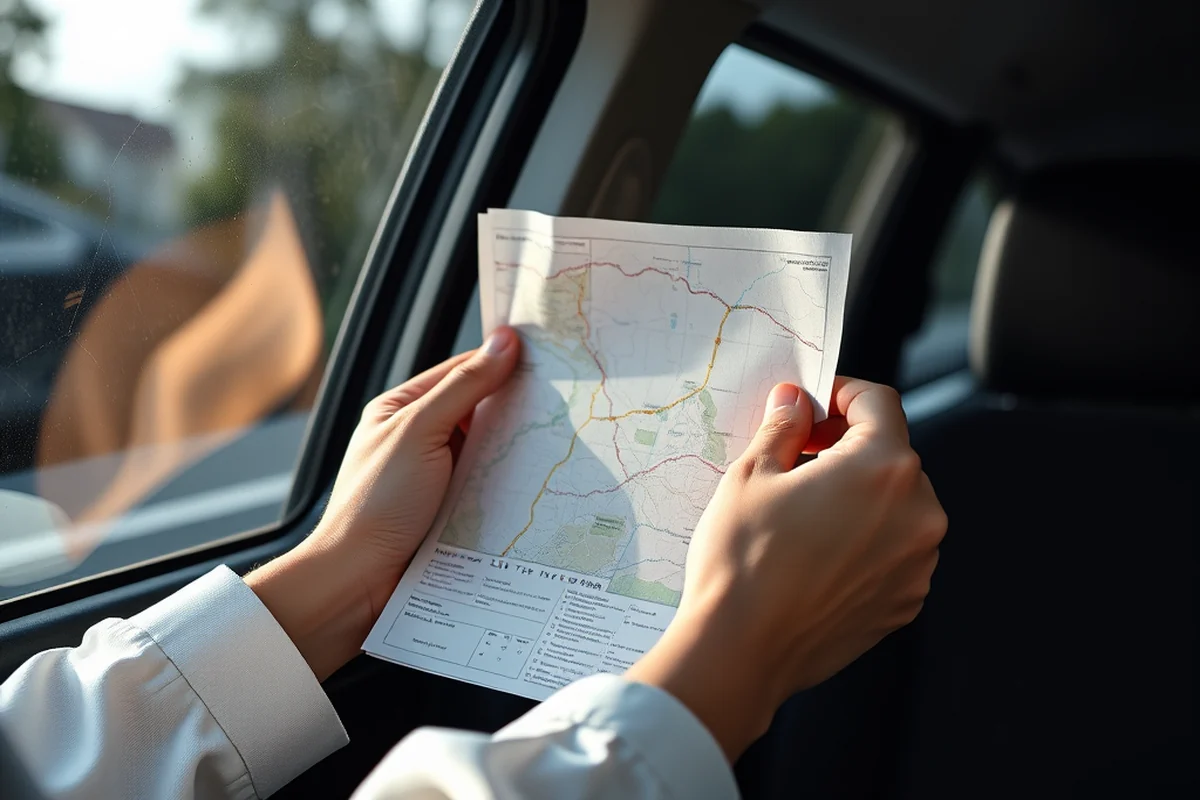
To prepare for such challenges, I invested in a lightweight foldable ramp that I could carry with me. It weighs just 15 pounds and can support up to 300 pounds, which worked well for temporary access in smaller spaces. I also used a travel app that highlighted accessible entrances and alternative routes. One app even provided real-time updates on the availability of ramps or staff assistance at various sites. This proactive approach saved me time and reduced the stress of unexpected obstacles.[3]
Managing Accessibility in Remote and Rural Destinations
When I traveled to the Scottish Highlands, I discovered that many rural roads were unpaved and unsuitable for wheelchairs or mobility scooters. My rental scooter, which had a 40-mile range, was insufficient for multi-day trips without recharging. I had to rely on a local guide who provided a vehicle equipped with a ramp and a secure seating system for my wheelchair. The guide also knew the best accessible hiking trails, which were less than 2 miles long and had smooth, even surfaces.[4]
In one village, there were no accessible accommodations, so I had to stay in a family-run guesthouse that had a raised platform for my wheelchair and a small ramp to the main room. The owners were very accommodating, but there were no elevators or accessible bathrooms. I had to use a portable toilet seat and shower chair, which I brought from home. The cost of these items was about $250 for the set, but it was worth it for the comfort and independence they provided.
To plan effectively, I contacted the local tourism office and asked for a list of accessible accommodations and transportation options. They recommended a specific bus company that had low-floor vehicles with ramps and designated seating areas for wheelchair users. The bus ride from the nearest town to the village took 2 hours, but the service was reliable and comfortable. I also brought a travel-sized mobility aid that could be folded and stored easily, which proved useful during short transfers between destinations.
💰 Budget Accessible Travel
Travel with limited funds while still enjoying accessible options. Focus on affordable accommodations, public transportation, and free attractions in accessible areas.
🧳 Long Weekend Getaway
A short but impactful trip that includes accessible hotels, local transportation, and easy-to-reach attractions in a city with strong accessibility infrastructure.
👨👩👧👦 Travel with Kids
Explore destinations with accessible features that make traveling with kids easier. Look for family-friendly accommodations and accessible parks and museums.
🍂 Off-Season Travel
Experience destinations with fewer crowds and lower prices. Many accessible attractions become even more accessible during the off-season due to reduced activity and maintenance needs.
💎 Luxury Accessible Travel
Indulge in high-end accommodations with top-tier accessibility features, including private accessible spas, elevators, and personalized accessibility services.
| The mistake | Why it happens | The fix |
|---|---|---|
| Assuming all hotels are accessible. | Many hotels may have accessible rooms, but not all areas of the hotel are fully accessible. | Always check with the hotel in advance and ask for specific details about accessibility features. |
| Not researching local transportation options. | Some cities may have limited or no accessible public transportation, which can make getting around difficult. | Research local transportation options before you travel and consider renting an accessible vehicle or using private transportation services. |
| Ignoring local accessibility laws and regulations. | Accessibility laws vary by country, and not being aware of them can lead to unexpected challenges. | Research the accessibility laws of your destination and consult with local accessibility organizations or travel experts if needed. |
| Not preparing a list of accessibility needs in advance. | Failing to plan can lead to last-minute problems that could have been avoided with proper preparation. | Create a checklist of accessibility needs before your trip and review it with your travel companions or travel agents. |
Access To Mobility
Common Questions
How can I find accessible hotels before I travel?
What should I do if I encounter an inaccessible location during my trip?
Are there any travel insurance options that cover accessibility needs?
Can I get assistance with mobility at airports?
References
- Peak Travel, Peak Car and the Future of Mobility | OECD (oecd.org)
- Multisector Blueprint for Aging Data Resources - Minnesota.gov (mn.gov)
- Retrofits & Adaptations: Improving Mobility in the Home - HUD User (huduser.gov)
- A qualitative study of the perspectives of older people in remote ... (pmc.ncbi.nlm.nih.gov)
Cite this guide
Traveling with Disabilities Accessible (2026). Access To Mobility. https://accessibleroam.com/access-to-mobility/
Feel free to cite or share this guide.