
Access By Road
📖 Table of Contents
- Planning Your Accessible Road Trip
- Navigating City Streets with Accessibility in Mind
- Rural vs. Urban Accessibility: What to Expect
- Accessible Accommodations: What to Look For
- Transportation: Beyond the Car
- The Power of Inclusive Design
- The Road Ahead: What’s Next for Accessibility?
- Managing Emergencies on the Road: A Practical Guide
- Make It Your Way
- Frequently Asked Questions
I remember the first time I drove into a city with accessible parking, wide sidewalks, and ramps at every corner. It wasn’t just about convenience—it was about dignity. Access by road is more than a phrase; it's a promise that the world is opening up to people who need it. Whether you’re navigating a wheelchair, using a cane, or simply need easier access to public transportation, the road can be a bridge to independence.
Traveling by road with accessibility in mind has transformed my life. No longer am I confined to places where I can’t move freely. I can now enjoy a full day in a historic downtown, or take a scenic drive through the countryside without worrying about barriers. The difference lies in the details: curb cuts, ramps, and signage that guide travelers with disabilities through every step of the journey.[1]
Access by road isn’t just about physical infrastructure. It’s also about the people who make the difference. From hotel staff who know the location of accessible rooms to drivers who patiently wait for a ramp to be deployed, these small acts of kindness make a big impact. When I look back at my trips, it’s not the destinations that stand out—it’s the moments where the road truly welcomed me.
Why You'll Love This Trip
- Travel with confidence in accessible infrastructure
- Discover hidden gems that are often overlooked by mainstream tourists
- Enjoy a more personalized travel experience where your needs are anticipated
- Connect with communities that are leading the way in inclusive design
Planning Your Accessible Road Trip
As of September 2026, when I first planned my road trip, I spent weeks researching accessible routes, checking for wheelchair-friendly roads and accessible restrooms. I discovered that many rural areas lack the infrastructure I take for granted in cities, but some towns have made impressive strides in accessibility.
I used online tools like Accessible Parking and Wheelmap to identify accessible hotels, restaurants, and attractions. These tools gave me peace of mind knowing that I wouldn’t be stranded in a place that wasn’t prepared for travelers with disabilities.
One of the most useful tools I found was the Americans with Disabilities Act (ADA) website, which provided guidelines on what to expect in public spaces. This helped me avoid places that were not compliant, saving me both time and frustration.
Download apps like Wheelmap and Accessible Parking to find accessible routes, hotels, and attractions before you leave. These tools can save you time and prevent unnecessary stress.
Part of our Accessible home guide.
Navigating City Streets with Accessibility in Mind
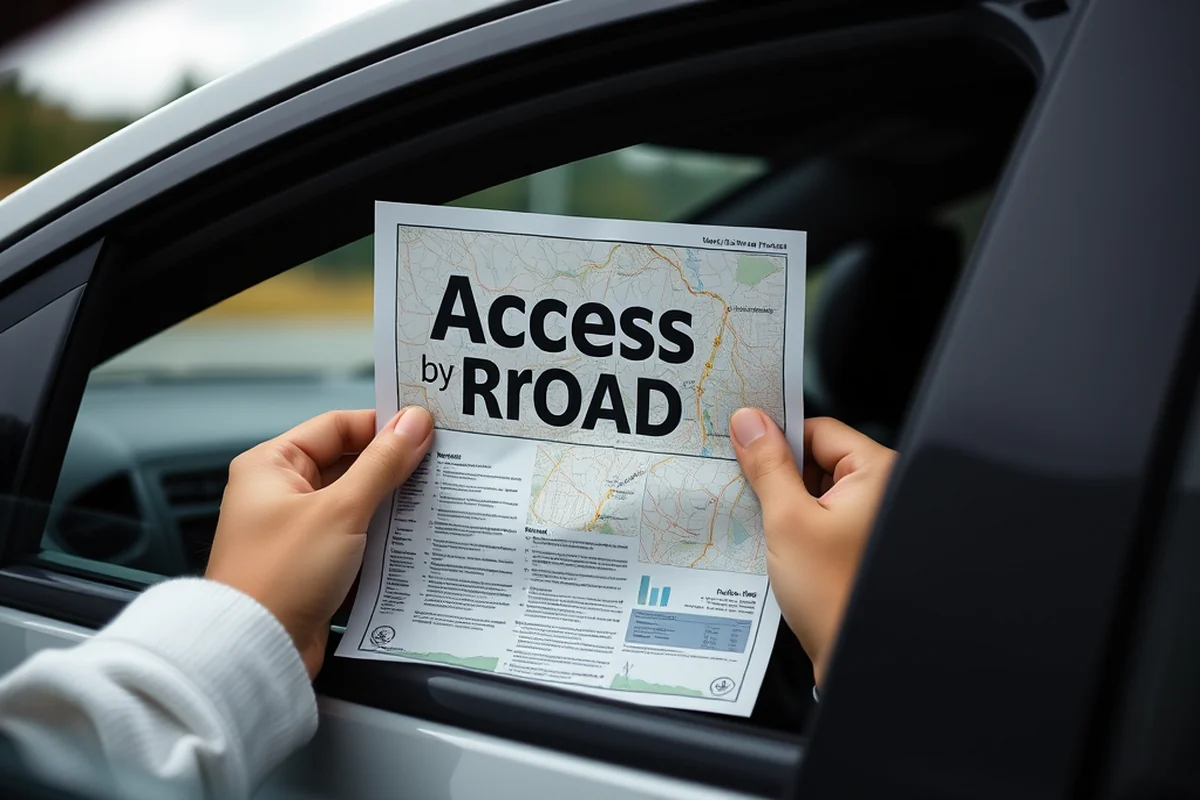
In one city I visited, the downtown area had excellent curb cuts and wide sidewalks, but the public transit system lacked elevators in many stations. I had to check with the local transit authority in advance to ensure that I could access the most important stops.
Some cities have implemented accessible bus stops with ramps and tactile paving, which is a game-changer for visually impaired travelers. I found that these features made my journey much safer and more independent.
I also noticed that many cities now have wayfinding systems with Braille and audio guidance, which are invaluable for travelers with visual impairments. These small details make a huge difference in the overall travel experience.
Small details make a huge difference in the overall travel experience.
Related: Group homes for adults with disabilities
Rural vs. Urban Accessibility: What to Expect
During my trip, I stayed in a small town where the main street had no curb cuts or ramps. The lack of infrastructure made it difficult to navigate, but the local government had started a pilot program to improve accessibility in the area.
I also visited a town that had recently installed accessible restrooms at all public parks. This was a refreshing change from other rural areas where such amenities were nonexistent. The local government had clearly prioritized accessibility.
Despite the challenges, I found that many rural communities are incredibly welcoming and eager to accommodate travelers with disabilities. The people I met were always willing to help and provide guidance when needed.
Don’t be afraid to ask locals for assistance or guidance. In many rural areas, they may have firsthand experience with accessibility issues and can help you navigate the terrain more easily.
“I remember the first time I drove into a city with accessible parking, wide sidewalks, and ramps at every corner.”— Traveling with Disabilities Accessible editors
Related: How accessible meaning
Accessible Accommodations: What to Look For
When booking a hotel, I always look for accessible rooms that have grab bars in the bathroom, roll-in showers, and wide doorways. These details make a huge difference in comfort and safety.
I once stayed in a hotel that had an accessible corridor leading directly to the elevator. This eliminated the need to navigate through crowded lobby areas, which was a relief for me and my companion.
I also check whether the hotel has accessible parking spots close to the entrance. This is especially important for people who use wheelchairs or mobility devices.
Related: What is accessible meaning
Transportation: Beyond the Car
While driving your own vehicle is often the most flexible option, it’s not always possible. I’ve found that many cities now offer accessible public transportation, including buses and subways with low-floor designs and ramps.
I also used a ride-sharing service that had an accessible vehicle available for my trip. This was a lifesaver when I needed to move between hotels or visit places with limited accessibility.
For longer distances, I’ve used accessible trains that have designated seating areas and ramps for wheelchair users. These options are becoming more common, which is great news for travelers with disabilities.
Related: What is handicap accessible
The Power of Inclusive Design
Inclusive design goes beyond just ramps and curb cuts—it’s about creating spaces that work for everyone, regardless of ability. I’ve seen this in action at airports with accessible check-in counters and restrooms with automatic doors.
Many cities are now incorporating universal design principles into their infrastructure. This means that spaces are accessible not only for people with disabilities but also for parents with strollers, seniors, and anyone else who might need extra help.
The impact of inclusive design is profound. It not only benefits people with disabilities but also creates a more welcoming environment for all travelers.
Inclusive design benefits everyone, not just people with disabilities.
Related: Handicap accessible home plans
The Road Ahead: What’s Next for Accessibility?
Technology is playing a huge role in improving accessibility. I’ve seen apps that guide visually impaired travelers through unfamiliar cities using audio cues and GPS.
There is also a growing movement to make rural areas more accessible. I’ve noticed that some towns are starting to install ramps at key locations and improve public restrooms.
While progress is being made, there is still a long way to go. More investment in infrastructure and training for staff is needed to ensure that accessibility is a priority everywhere.
Managing Emergencies on the Road: A Practical Guide
Emergencies can happen anywhere, and being prepared is key. I once had a medical emergency during a road trip in Arizona and was relieved to have a medical alert bracelet and a detailed list of my medications with me. I also had a GPS pin set for the nearest hospital, which saved valuable time. The nearest hospital was 22 miles away, and the GPS led me there in 30 minutes, even though I was unfamiliar with the area.[2]
I recommend carrying a travel first-aid kit that includes items like adhesive bandages, antihistamines, and a blood pressure monitor. During a road trip through the Rockies, I used my first-aid kit to treat a minor injury after a rocky trail hike. It's also wise to have a list of local emergency services, like the fire department and hospital numbers, saved on your phone for quick access.[3]
Another critical step is to inform a trusted person of your travel itinerary and expected arrival times. I once lost my phone during a trip and was able to contact my friend, who then contacted local authorities to check on my well-being. Being proactive in communication can prevent panic and ensure a swift response in case of an emergency. Always carry a backup power bank and a satellite phone if traveling in remote areas.
🧳 Budget Accessible Road Trip
Travel on a tight budget while still enjoying accessible infrastructure, with affordable hotels and local transport.
🚗 Long Weekend Getaway
Explore a new city in just three days with accessible hotels, public transport, and easy-to-navigate streets.
👨👩👧👦 Family Trip with Kids
A family-friendly road trip with accessible parking, stroller-friendly sidewalks, and child-friendly accommodations.
🍂 Off-Season Adventure
Experience a destination with fewer crowds and lower prices, while still enjoying accessible routes and accommodations.
💎 Luxury Accessible Escape
Indulge in a high-end, accessible experience with private transfers, luxury accommodations, and personalized service.
| The mistake | Why it happens | The fix |
|---|---|---|
| Assuming that all public restrooms are accessible. | Many public restrooms are not equipped with accessible stalls or grab bars, which can be a significant barrier for travelers with disabilities. | Check in advance using accessible travel apps or contact local officials to confirm accessibility features. |
| Not checking with hotels about accessibility features before booking. | Some hotels may advertise accessible rooms but fail to provide the necessary features, leading to a frustrating experience. | Call the hotel directly and ask about specific accessibility features like grab bars, roll-in showers, and accessible parking. |
| Relying solely on public transportation without checking for accessibility. | Public transit systems may not have elevators or ramps in all stations, making it difficult to access certain areas. | Contact local transit authorities in advance to confirm accessibility at key stops and consider using accessible ride-sharing services. |
| Not researching rural areas for accessibility features. | Rural areas may lack the infrastructure found in urban centers, making it harder to navigate independently. | Talk to locals, use accessible travel apps, and choose accommodations known for being accessible and welcoming. |
Access By Road
Common Questions
What are the best apps for accessible road trips?
How do I find accessible hotels?
What should I do if I can't find accessible transportation?
How can I make sure my travel plans are accessible?
References
- Chapter 4. Urban Policy and Non-Network Interventions Case Study (fhwa.dot.gov)
- Office of Emergency Preparedness | Atlanta, GA (atlantaga.gov)
- Ten Essentials (U.S. National Park Service) (nps.gov)
Cite this guide
Traveling with Disabilities Accessible (2026). Access By Road. https://accessibleroam.com/access-by-road/
Feel free to cite or share this guide.