
What Is A Digital Accessibility
📖 Table of Contents
- What Is Digital Accessibility in Travel?
- Why Digital Accessibility Matters in Travel
- Real-World Examples of Digital Accessibility in Travel
- The Role of Alt Text in Digital Accessibility
- Keyboard Navigation and Screen Reader Compatibility
- The Impact of Digital Accessibility on Travel Planning
- How to Advocate for Better Digital Accessibility in Travel
- Make It Your Way
- Frequently Asked Questions
I once stood in front of a hotel booking page, fingers hovering over the screen, unsure how to handle the layout. It wasn’t just about finding a room — it was about being able to see it, understand the options, and make a choice that worked for me. This moment made me realize the importance of digital accessibility in travel, and how it can be the difference between a seamless experience and one that feels impossible.[1]
Digital accessibility isn’t just about having a website that works for people with disabilities. It’s about ensuring that every traveler — whether they use a screen reader, have limited mobility, or need visual adjustments — can access the same information, book a trip. Plan a journey that feels inclusive and empowering. In my own travels, I’ve seen how a well-designed digital platform can remove barriers and open up the world.[2]
For those of us who travel with disabilities, digital accessibility is more than a feature — it’s a necessity. It means being able to check hotel availability, read reviews, and book a trip without constant frustration or exclusion. It’s about being treated as a full participant in the travel process, not an afterthought. And that makes all the difference.[3]
Why You'll Love This Guide to Digital Accessibility
- Understand how digital accessibility impacts your travel experience.
- Learn how to identify and use accessible travel platforms.
- Discover how to advocate for better digital tools when booking trips.
- Get practical tips for making your travel experience more inclusive.
What Is Digital Accessibility in Travel?
As of September 2026, Digital accessibility in travel is about making sure that online platforms — from hotel booking sites to flight apps — are usable for everyone. For example, a screen reader user should be able to navigate a travel website just as easily as someone who uses a mouse or touchscreen. It’s not just about being inclusive — it’s about ensuring that every traveler has the same opportunities.[4]
One of the most common features of digital accessibility is alt text. This is the written description of images that screen readers use to convey information to visually impaired users. When I visited a travel website that provided detailed alt text for images of hotel rooms, it made all the difference in my ability to understand what I was looking at.
Another key element is keyboard navigation. Many travelers with limited mobility use a keyboard instead of a mouse. I remember trying to book a flight on a site that didn’t support keyboard navigation — it was frustrating and time-consuming. Websites that are fully accessible can be used with just a keyboard, which is a huge improvement for accessibility.
When choosing a travel platform, look for features like alt text, keyboard navigation, and screen reader compatibility. These are signs that the site is designed with accessibility in mind.
Part of our Disabled accessible guide.
Why Digital Accessibility Matters in Travel

When I traveled to a new city, I relied on a travel app to find accessible routes and nearby services. The app had detailed accessibility information, which helped me plan my trip more confidently. It was the first time I felt like I could navigate a city on my own terms.
For people with disabilities, digital accessibility can be the difference between being able to travel independently and feeling excluded from the world. I’ve met many travelers who have been turned away from hotels or flights simply because the booking systems weren’t accessible. That’s not just a problem for individuals — it’s a problem for the entire travel industry.
Accessibility in digital tools isn’t just about helping people with disabilities — it’s about improving the overall travel experience for everyone. Features like high contrast mode, large text options, and voice-to-text can be used by people with temporary or situational disabilities, like those who are recovering from surgery or have a broken arm.
Travel should be for everyone — that’s why digital accessibility is non-negotiable.
Related: Disabled accessible travel barcelona
Real-World Examples of Digital Accessibility in Travel
One of my favorite travel experiences was when I booked a hotel that had detailed accessibility information on its website. The site included descriptions of the room layout, the availability of grab bars in the bathroom, and the location of the nearest accessible entrances. It made the booking process much more straightforward.
I also used a travel app that allowed me to filter for accessible hotels, which was a game-changer. I could quickly find accommodations that had accessible parking, elevators, and ramps. This level of detail is essential for people with disabilities who want to plan their trips without stress.
Another example is a travel company that offers a live chat feature with accessibility specialists. This support helped me understand the accommodation options and plan my trip with confidence. These are just a few examples of how digital accessibility can transform the travel experience.
Travel platforms with accessibility filters and live support can be a lifesaver. These features allow you to find the right accommodations and get help when you need it.
“I once stood in front of a hotel booking page, fingers hovering over the screen, unsure how to navigate the layout.”— Traveling with Disabilities Accessible editors
Related: Disabled accessible holidays uk
The Role of Alt Text in Digital Accessibility
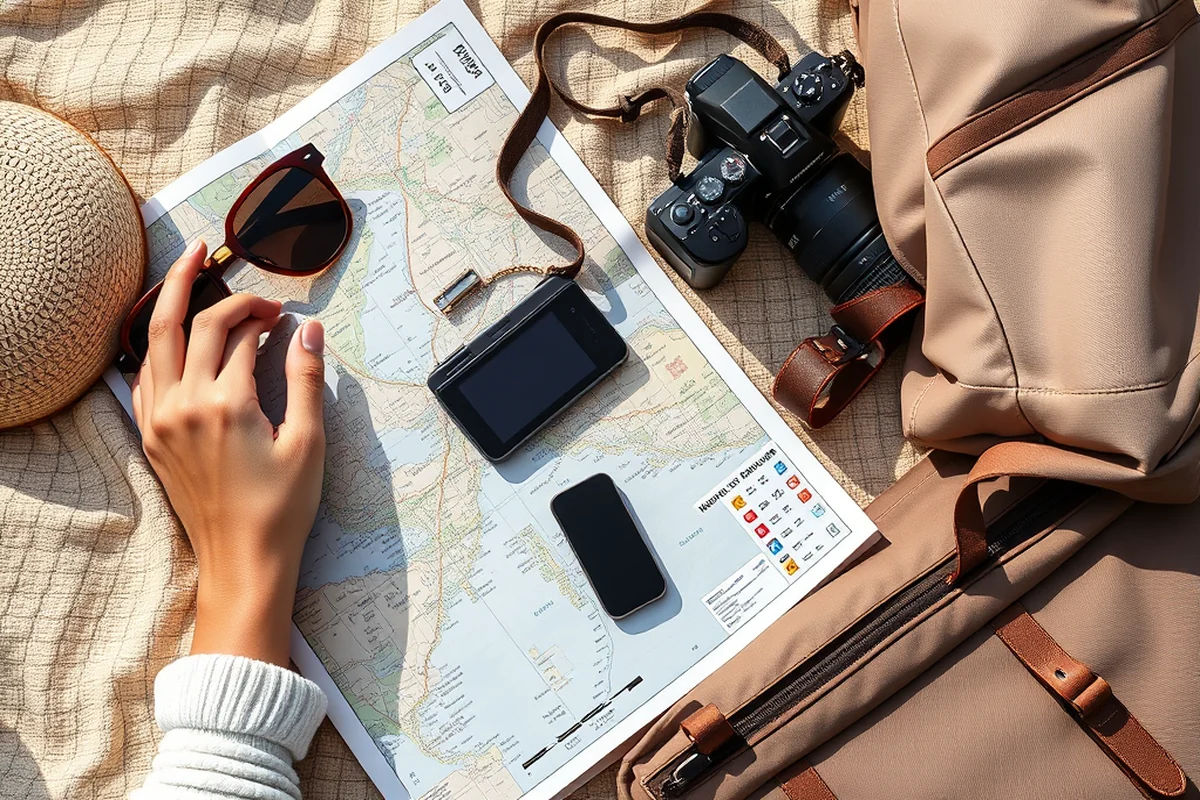
Alt text is a simple but powerful tool for making digital platforms more accessible. When I visited a hotel booking site that provided detailed alt text for images of hotel rooms, it made a huge difference in my ability to understand what I was looking at. It wasn’t just about seeing the image — it was about being able to understand the details.
For example, an alt text description like 'A modern hotel room with a large bed, a desk. A window with a view of the city' gives a visually impaired user a clear picture of the room. This kind of detail is essential for people who are trying to book a hotel based on images.
Travel platforms that use alt text consistently are more likely to be accessible to people with visual impairments. It’s a small change that can have a big impact on the overall experience for all travelers.
Related: How handicap accessible is italy
Keyboard Navigation and Screen Reader Compatibility
Keyboard navigation is a key feature of digital accessibility because it allows users to navigate a website without a mouse. For people with limited mobility, this can be a huge advantage. I remember trying to book a flight on a site that didn’t support keyboard navigation — it was frustrating and time-consuming.
Screen reader compatibility is another essential feature. Screen readers convert text and other content into speech, making it easier for visually impaired users to access information. When I used a travel site that was fully compatible with screen readers, it made the booking process much smoother.
Together, keyboard navigation and screen reader compatibility make travel platforms more accessible and user-friendly for everyone. These features are not just about helping people with disabilities — they’re about improving the overall user experience.
Related: Disabled vs accessible toilet
The Impact of Digital Accessibility on Travel Planning
When I planned a trip, I relied heavily on a travel platform that was fully accessible. I could easily handle the site, filter for accessible accommodations, and book a hotel that met my needs. It made the entire process much more straightforward.
For people with disabilities, accessible travel platforms are essential. They provide the tools needed to plan a trip without barriers or limitations. It’s about having the same opportunities to explore the world as anyone else.
Accessible digital tools can also help reduce stress and uncertainty when planning a trip. When I used a platform with detailed accessibility information, I felt more confident in my choices and less worried about potential issues.
Accessible travel planning is about empowerment, not just convenience.
Related: Importance of accessibility for disabled
How to Advocate for Better Digital Accessibility in Travel
When I used a travel app that wasn’t fully accessible, I left a detailed review about the accessibility issues I encountered. This feedback helped the company understand the need for improvement and led to updates in their platform.
Supporting companies that prioritize digital accessibility is another way to make a difference. I’ve chosen to book with hotels and travel platforms that have clear accessibility information and user-friendly design.
Raising awareness about the importance of digital accessibility can also help drive change. Sharing personal stories and experiences can inspire others to support more inclusive travel platforms.
🧳 Budget Travel
Travel with limited funds and still enjoy accessible experiences by booking in advance and choosing budget-friendly accommodations that meet accessibility standards.
🌅 Long Weekend Getaway
Plan a quick trip to a nearby city with accessible hotels, public transportation, and scenic spots that are easy to navigate for all travelers.
👨👩👧👦 With Kids
Book family-friendly accommodations that are accessible and offer amenities like baby cribs, accessible bathrooms, and wheelchair-friendly play areas.
🍂 Off-Season Travel
Travel during the off-season for lower prices and more availability, while still enjoying accessible accommodations and experiences tailored for all travelers.
💎 Luxury Travel
Indulge in high-end accommodations that prioritize digital accessibility, ensuring a seamless and luxurious experience for all travelers.
| The mistake | Why it happens | The fix |
|---|---|---|
| Not checking for alt text on travel sites | Alt text is essential for visually impaired users, and without it, they may not be able to understand the images on a travel site. | Always look for detailed alt text on images when browsing travel websites. This can help you make informed decisions about accommodations. |
| Assuming all websites are accessible | Many websites are not designed with accessibility in mind, which can make them difficult or impossible to use for people with disabilities. | Research travel platforms to find those that prioritize accessibility. Look for accessibility filters, alt text, and screen reader compatibility. |
| Not using accessibility features on mobile apps | Mobile apps often have accessibility settings, but many users don’t use them. This can lead to a less enjoyable and more difficult travel experience. | Take the time to explore the accessibility settings on your travel apps. Features like high contrast mode and voice-to-text can be very helpful. |
| Ignoring accessibility when planning a trip | Accessibility is an important consideration for all travelers, not just those with disabilities. Ignoring it can lead to frustration and unnecessary stress. |
What Is A Digital Accessibility
Common Questions
How can I check if a travel website is accessible?
What should I do if I encounter an inaccessible travel platform?
Are there any travel apps that are specifically designed for people with disabilities?
How does digital accessibility benefit travelers without disabilities?
References
- Solve The Outbreak - 508 Accessible Version - CDC (cdc.gov)
- What is Digital Accessibility? (dap.berkeley.edu)
- Guidance for Integrating Disability Inclusion Across Foreign Policy (2021-2025.state.gov)
- Digital divides in telehealth accessibility for cancer care in the ... - PMC (pmc.ncbi.nlm.nih.gov)
Cite this guide
Traveling with Disabilities Accessible (2026). What Is A Digital Accessibility. https://accessibleroam.com/what-is-a-digital-accessibility/
Feel free to cite or share this guide.