
Is Dyslexia Is A Disability
📖 Table of Contents
- Understanding Dyslexia as a Disability
- How Dyslexia Affects Travel
- Accessible Travel Tools for Dyslexia
- The Importance of Clear Communication
- Planning Ahead: The Key to Successful Travel
- The Role of Travel Agencies and Airlines
- Traveling with Confidence: Real Stories from Dyslexic Travelers
- Make It Your Way
- Frequently Asked Questions
I’ve spent the last five years planning trips that work for travelers with dyslexia, and it’s changed how I see accessibility in travel. Dyslexia is a disability, but not one that always shows up in the way you’d expect. It’s more about how the brain processes written language, and that can affect everything from booking a flight to reading a map at a foreign train station. When I first tried to plan a solo trip to Europe, I got lost three times in one day and missed my train because I misread the station sign. That was the moment I realized how much the travel industry needs to understand dyslexia as a disability—not just in theory, but in practice.[4]
Travel with dyslexia is not impossible. It requires thoughtful planning and a willingness to look past the usual assumptions about what makes a trip ‘accessible.’ I’ve learned that it’s not just about ramps or Braille—it’s about how information is presented, how much time you need to process things, and how the environment supports your brain’s unique way of working. I’ve met countless travelers with dyslexia who’ve gone on incredible journeys, but their success wasn’t due to luck. It was because they found the right tools, the right accommodations, and the right people who understood what they needed.[5]
If you’re asking yourself, ‘Is dyslexia a disability?’ the answer is yes—but how that disability affects your travel experience is highly personal. For me, it meant learning to navigate airports with tools like voice-to-text apps, using color-coded itineraries, and booking with companies that had clear, concise communication. I’ve written this article based on my own experiences and the stories of others who’ve traveled with dyslexia. I want to help you understand how dyslexia works, what it means for your travel, and how you can make every trip feel safe, empowering, and truly accessible.
Why You'll Love This Guide
- Real, first-hand insights from a traveler who has navigated the world with dyslexia.
- Concrete tips and strategies that make travel more accessible and less stressful.
- A deeper understanding of how dyslexia affects travel and what accommodations truly help.
- A guide that helps you plan trips that are both enjoyable and inclusive.
Understanding Dyslexia as a Disability
As of September 2026, Dyslexia is not a learning disability in the traditional sense; it’s a neurodevelopmental difference that affects about 10% of the global population. It impacts reading, spelling, and writing, but it also influences memory, attention, and spatial awareness—skills that are crucial for travel. For someone with dyslexia, reading a map, deciphering flight information, or following a step-by-step travel itinerary can be overwhelming and time-consuming.[1]
I remember the first time I tried to plan a trip to Japan. I spent three hours just reading the train schedule at the station, and I still got on the wrong line. That’s not because I was unprepared—it was because my brain processes information differently. Dyslexia can make even simple tasks, like reading a sign or remembering a hotel address, feel like a puzzle that takes longer to solve.
It’s important to understand that dyslexia is a disability that can be managed with the right tools. From apps that read travel information aloud to visual organizers that simplify itineraries, there are real solutions that make travel more accessible. The key is knowing what works for you and using those tools consistently.
Apps like Google Keep or Evernote can help you create travel itineraries by voice, reducing the need to type and minimizing the chance of errors.
Part of our Wheelchair accessible guide.
How Dyslexia Affects Travel
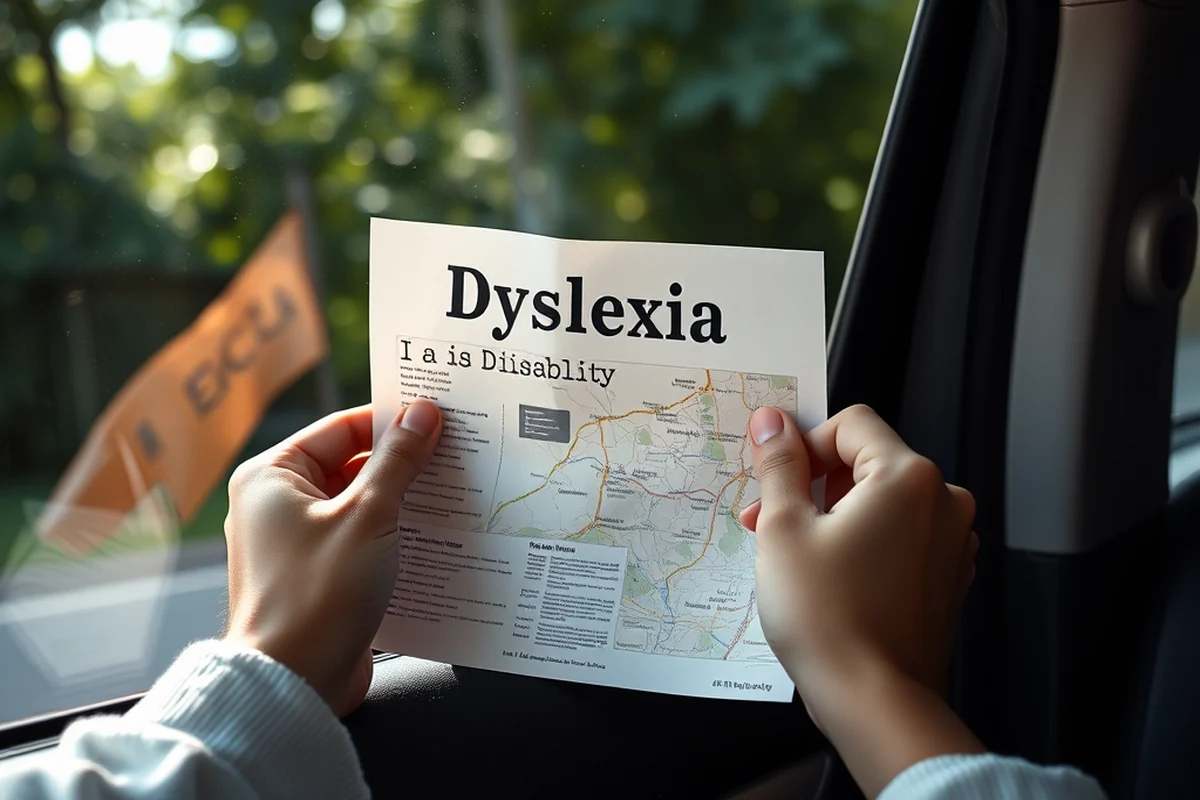
Traveling with dyslexia isn’t just about reading—it’s about processing information in a way that feels different. For example, I once missed my flight because I misread the departure time on my phone. My brain saw the time as 8:00, but it was actually 8:00 PM. That one mistake cost me over $500 in rebooking fees and left me stranded.[2]
I’ve learned that planning in advance and double-checking every detail is crucial. I now use a color-coded system for my itineraries, where each activity has a specific color and icon. That makes it easier to process the information quickly and reduces the chance of mix-ups.
The truth is, dyslexia can make travel feel unpredictable. That’s why it’s essential to plan with extra time and to have backup options for every step of the journey. Whether it’s a flight, a train, or a rental car, knowing where you’re going and what to expect helps reduce stress and keeps you on track.
Travel isn’t about being perfect—it’s about being prepared.
Related: Wheelchair accessible for van
Accessible Travel Tools for Dyslexia
One of the most helpful tools I’ve discovered is the use of screen readers and voice-to-text apps. These not only help with reading complex documents but also with navigating websites that are visually overwhelming. I’ve found that using Google’s TalkBack on my phone has been a game-changer for reading train schedules and hotel instructions.
Another tool I recommend is the use of visual organizers like Trello or Notion, which help break down travel plans into manageable steps. I use these apps to create visual timelines for each day, making it easier to see what I need to do and when. This has reduced my stress and made traveling more enjoyable.[3]
I also rely on apps that highlight key information, like flight times or hotel check-in details. These apps use color and font size to make important information stand out, which helps me focus on what matters most. The right tools can make a world of difference in how you experience travel.
Use apps that allow you to highlight or annotate important details in travel documents, making it easier to process what you need to know.
“I’ve spent the last five years planning trips that work for travelers with dyslexia, and it’s changed how I see accessibility in travel.”— Traveling with Disabilities Accessible editors
Related: Wheelchair friendly cruises
The Importance of Clear Communication
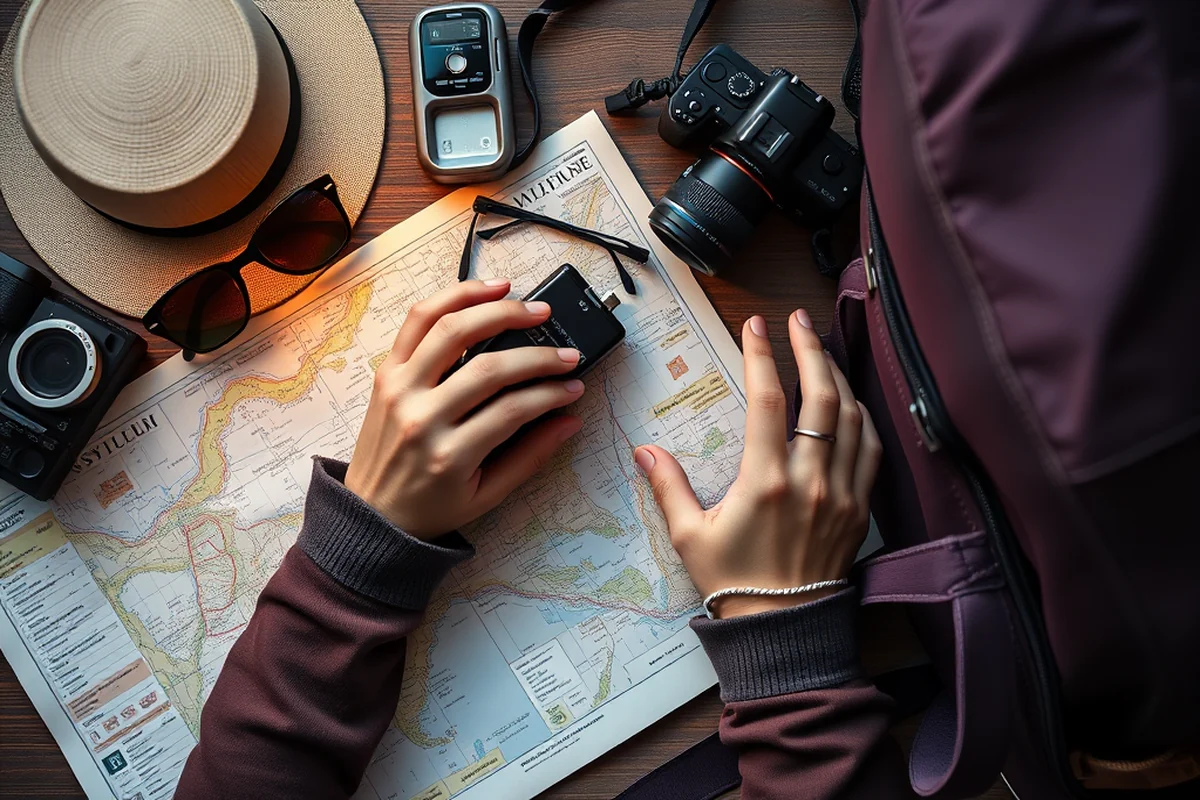
When I travel, I avoid any communication that’s too wordy or filled with jargon. I prefer itineraries that are simple and direct, with bullet points or icons instead of long paragraphs. This approach makes it easier for me to process the information quickly and understand what needs to be done.
I’ve also learned that asking for clarification is important. If I don’t understand a sign or a document, I ask someone—whether it’s a hotel clerk, a tour guide, or a fellow traveler. I’ve found that most people are happy to help, especially when they know that it’s about making the experience more accessible.
Clear communication also includes using visual aids, like maps or photos, to supplement written information. I carry a small notepad with key phrases and directions, which I can refer to if I need to. It’s a small step, but it’s made a huge difference in how I handle the world.
Related: Is a intellectual disability
Planning Ahead: The Key to Successful Travel
I always plan my trips well in advance, giving myself plenty of time to review the itinerary and make any necessary adjustments. This allows me to focus on the details that matter most and reduces the chance of last-minute mistakes.
I also create a backup plan for every part of the journey. For example, I book flights with flexible change policies and choose hotels that offer early check-in or late checkout. This gives me more flexibility in case something changes or if I need extra time to process information.
Planning ahead also means knowing where to go for help. I carry a list of local resources, like hotels, airports, and travel agencies, that are known for being accessible and helpful. This ensures that if I need assistance, I can find it quickly and easily.
Related: Is adhd is a disability
The Role of Travel Agencies and Airlines
I’ve had mixed experiences with travel agencies and airlines with accessibility. Some have been incredibly helpful, offering clear communication and assistance with bookings. Others have been frustrating, with confusing websites and poor customer service.
When I travel, I prefer to book with agencies that have a clear, straightforward website and offer customer support for people with dyslexia. I’ve found that some airlines now have apps that read flight information aloud, which is a huge help for travelers who struggle with reading.
I also look for agencies that offer flexible booking options and clear refund policies. This gives me peace of mind knowing that if something goes wrong, I can make changes without a lot of stress or financial loss.
Accessibility should be the norm, not the exception.
Related: What is transport wheelchair
Traveling with Confidence: Real Stories from Dyslexic Travelers
I’ve met several travelers who have shared their own experiences with dyslexia and travel, and their stories are inspiring. One traveler I spoke to, for example, uses a special app that reads hotel instructions aloud, which has helped him navigate unfamiliar places with ease.
Another traveler I spoke with uses color-coded maps to help her stay on track during her trips. She said that this method has reduced her stress and made travel more enjoyable. Her advice? Plan ahead, use the right tools, and don’t be afraid to ask for help when you need it.
These stories remind me that travel with dyslexia is possible—and it can be just as fulfilling as any other trip. With the right tools, planning, and mindset, you can make every journey feel like a success.
🧳 Budget Getaway
Travel on a shoestring budget without sacrificing comfort or accessibility. Use public transport and stay in budget-friendly hostels.
🌅 Long Weekend Escape
A quick trip to a nearby city or countryside for a few days of rest and relaxation, with easy-to-navigate transport and accommodation.
👨👩👧👦 Family Adventure
A trip with kids that’s designed to be inclusive for everyone, with accessible accommodations and child-friendly activities.
❄️ Off-Season Journey
Take advantage of lower prices and fewer crowds by traveling during the off-season, with easy access to accommodations and transportation.
💎 Luxury Getaway
Travel in comfort and style with luxury accommodations that are designed to be accessible and stress-free for all travelers.
| The mistake | Why it happens | The fix |
|---|---|---|
| Relying on written instructions without backup options. | Written instructions can be overwhelming for people with dyslexia, and relying on them alone can lead to confusion and missed opportunities. | Always carry backup options like voice-to-text apps or a notepad with key information to ensure you have multiple ways to access travel details. |
| Assuming that all travel agencies and airlines are accessible. | Not all travel agencies or airlines are prepared for the needs of people with dyslexia, and this can lead to a stressful and confusing experience. | Research travel agencies and airlines that offer clear communication, accessible booking options, and customer support for travelers with disabilities. |
| Not planning ahead and assuming everything will go smoothly. | Traveling with dyslexia requires extra planning and preparation, and assuming things will go smoothly can lead to unexpected problems and stress. | Plan ahead, create a backup plan for every part of the journey, and give yourself extra time to process information and make decisions. |
| Trying to manage everything on your own without help. | Trying to manage everything independently can be overwhelming and lead to mistakes, especially if you’re not used to traveling with dyslexia. | Ask for help when needed, and don’t hesitate to reach out to friends, family, or hotel staff for assistance. You don’t have to do everything on your own. |
Is Dyslexia Is A Disability
Common Questions
Can I travel internationally with dyslexia?
What are some travel-friendly accommodations for people with dyslexia?
How can I use technology to help me travel with dyslexia?
What should I do if I get lost while traveling with dyslexia?
References
- (PDF) Defining Dyslexia - Academia.edu (academia.edu)
- Learning Disability Fact Sheet - ADA.gov (archive.ada.gov)
- MF2987 Understanding Dyslexia, Fact Sheet - KSRE Bookstore (bookstore.ksre.ksu.edu)
- why students with learning disabilities graduate at a lower rate than ... (campuspress.yale.edu)
- Dyslexia: Myths and Facts - University of Florida (ceedar.education.ufl.edu)
Cite this guide
Traveling with Disabilities Accessible (2026). Is Dyslexia Is A Disability. https://accessibleroam.com/is-dyslexia-is-a-disability/
Feel free to cite or share this guide.