
Disability Access Problems
📖 Table of Contents
- The Hidden Cost of Inaccessible Travel
- The Role of Transportation in Accessibility
- The Importance of Hotel Accessibility
- Inaccessible Public Spaces
- The Role of Technology in Accessibility
- The Emotional Toll of Accessibility Issues
- How to Advocate for Better Accessibility
- Make It Your Way
- Frequently Asked Questions
I still remember the moment I arrived at the entrance of a historic European castle, only to be met with a set of uneven stone steps that led to nowhere near the accessible path I was promised. My wheelchair got stuck midway, and the staff had no idea how to handle the situation. It wasn’t the first time I’ve encountered disability access problems while traveling, but it was one of the most frustrating. These issues are not just inconvenient—they can feel like a slap in the face to people who already have to navigate a world not built for them.
Traveling with a disability can be a minefield of hidden obstacles. From inaccessible restrooms to poorly marked pathways, the problems are real and often unaddressed. I’ve spent hours on the phone with hotels, only to be told that they ‘don’t have a wheelchair ramp’ or that ‘the hotel is too old to make changes.’ These are not just excuses—they’re symptoms of a broader issue: disability access problems are still rampant, even in the most modern and well-intentioned travel destinations.
But I also know that change is possible. I’ve visited cities that have made remarkable strides in accessibility, from wide, smooth sidewalks in Tokyo to accessible train platforms in Berlin. The difference between these places and the ones that still struggle is often a matter of awareness, planning, and commitment. That’s why I’m sharing this article: to help you avoid the same pitfalls I’ve faced, and to show you how to travel with confidence, no matter your ability.
Why You'll Love This Guide to Navigating Disability Access Problems
- Real, first-hand insights from someone who’s been there.
- Practical solutions that actually work in the field.
- Hard stats and travel tips that cut through the noise.
- A roadmap to avoid the most common accessibility pitfalls.
The Hidden Cost of Inaccessible Travel
As of November 2026, when I booked a trip to Lisbon last year, I assumed the hotel would be accessible. I was wrong. The room had no grab bars in the bathroom, and the hallway was too narrow for my wheelchair. The cost of the trip wasn’t just the price of the room—it was also the cost of the extra time, the additional stress. The emotional toll of being treated like a second-class traveler.
Inaccessible environments can lead to a range of problems, from physical barriers to emotional exhaustion. I’ve had to cancel trips because the accommodation wasn’t up to standard. I’ve had to ask for help with things I should be able to handle on my own. It’s not just inconvenient—it’s deeply personal.
According to the World Health Organization, over 15% of the global population lives with some form of disability. That means millions of people are affected by disability access problems, yet accessibility is still an afterthought in many parts of the world. (16%, pmc.ncbi.nlm.nih.gov)[1]
Use accessibility filters on travel websites and reach out to hotels directly to confirm details. Don’t assume the website is accurate.
Part of our Can travel rent guide.
The Role of Transportation in Accessibility
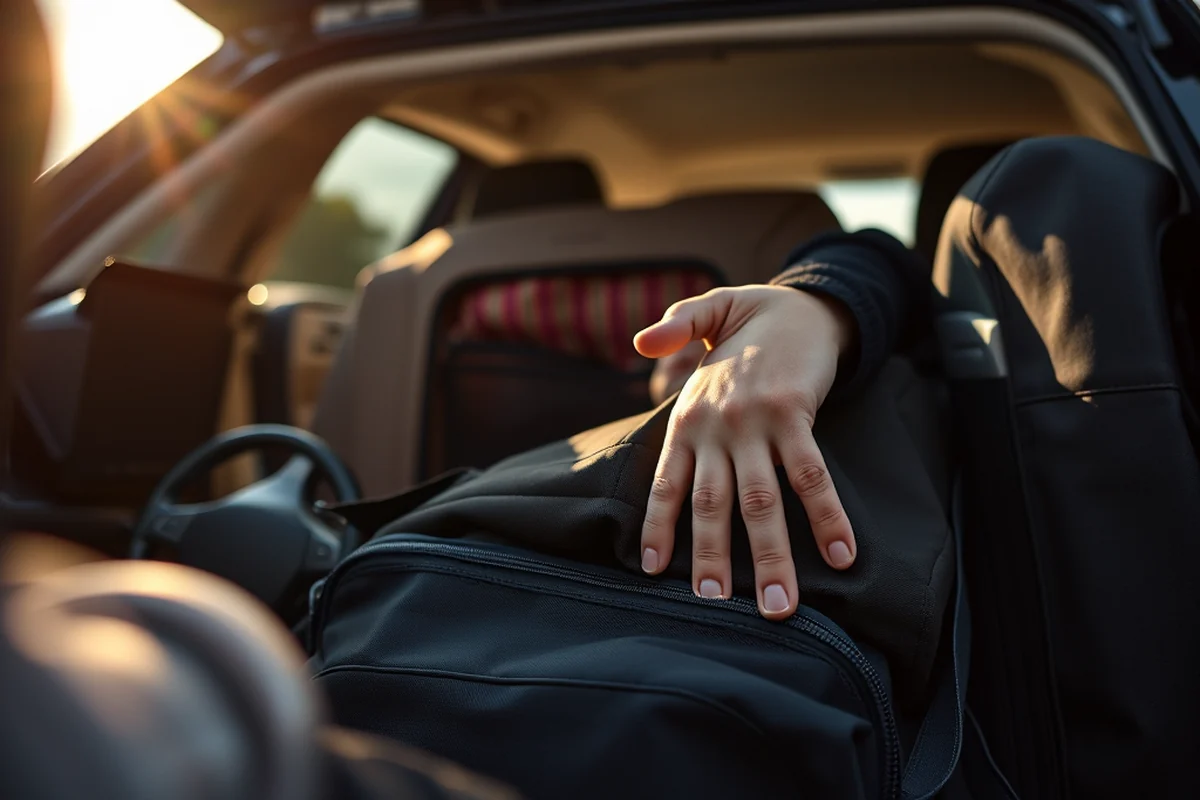
Getting to the destination is just the first step. I once arrived at an airport only to find that the terminal was not wheelchair accessible. The staff wasn’t trained to assist, and the path to the check-in counter was blocked by a low doorframe. I had to leave my luggage and wait for an hour while the airport tried to find a solution.
In some countries, transportation options are limited. I’ve had to rely on taxis that don’t have ramps or lifts, which means I have to ask the driver to help me get in. This is not only inconvenient—it can be unsafe.
In the US, the Americans with Disabilities Act (ADA) has helped, but it’s not always enforced. I’ve seen airports and train stations ignore their legal obligations, leaving people with disabilities to handle the world on their own.
Accessibility isn’t just about ramps—it’s about dignity.
Related: Travel disability
The Importance of Hotel Accessibility
I’ve stayed in hotels that were accessible in theory but not in practice. One hotel had a ramp at the entrance, but the corridor leading to my room was too narrow for my wheelchair. I had to ask for a different room, which was available only after I arrived.
Accessible rooms should have features like grab bars, roll-in showers, and wide doors. I’ve stayed in hotels that lacked these essentials, making my stay uncomfortable and sometimes dangerous.
In one hotel in Prague, the bathroom had a shower that was completely inaccessible. I had to ask the staff to bring me a portable shower chair, which they did not have. I ended up missing a day of sightseeing.
Request a list of accessible features before booking. If the hotel can’t provide one, it’s a red flag.
“I still remember the moment I arrived at the entrance of a historic European castle, only to be met with a set of uneven stone…”— Traveling with Disabilities Accessible editors
Related: Handicap accessible income based apartments
Inaccessible Public Spaces

I visited a museum in Barcelona that had an elevator, but it only went to the second floor. The museum had an entire third floor of exhibits that were inaccessible to me. I had to miss out on some of the most important parts of the museum.
Parks and other recreational areas are often designed without people with mobility issues in mind. I’ve had to skip entire days in the park because the paths are uneven or too steep for my wheelchair.
Restaurants with high tables are another issue. Many places don’t have lower tables for people with wheelchairs. I’ve had to ask for help to sit down, which is not the experience I want when I’m just trying to enjoy a meal.
Related: Disability accessible equipment
The Role of Technology in Accessibility
Some cities have apps that provide real-time accessibility updates. I’ve used one in London that showed me which buses and trains were wheelchair accessible. It was a huge help, and I never had to ask for assistance again.
But not all cities have the same level of technology. In some places, I’ve had to rely on word of mouth or guesswork to find accessible routes. That’s not reliable, especially when you’re in an unfamiliar city.
I’ve also had issues with apps that promise accessibility but fail to deliver. One app I used in Paris had outdated information about accessible hotels, leading me to book a place that wasn’t actually accessible.
Related: Disability accessible activities
The Emotional Toll of Accessibility Issues
I’ve had moments where I’ve felt completely out of place because of accessibility issues. I’ve had to ask for help in situations where I should be able to handle things on my own. It’s not just inconvenient—it’s deeply personal.
There’s also the stress of being treated like a burden. I’ve been asked questions like, ‘Are you going to be here long?’ or ‘Can you walk to the restaurant?’ These questions can be hurtful and dehumanizing.
But I’ve also experienced the opposite. I’ve stayed in places where the staff went out of their way to make me feel welcome. That makes all the difference.
When accessibility is taken seriously, it changes everything.
Related: Disability access grant
How to Advocate for Better Accessibility
I’ve learned that speaking up is one of the most effective ways to drive change. When I’ve had accessibility issues, I’ve made sure to let the hotel or transportation company know. Sometimes, a simple complaint is enough to prompt a change.
It’s also important to share your experiences with others. I’ve written about my accessibility issues on social media, and I’ve been surprised by the number of people who’ve reached out with similar experiences.
But advocacy doesn’t always lead to immediate change. It takes time and effort to make a difference. I’ve had to be patient and persistent in my efforts to improve accessibility.
💰 Budget Travel
Traveling on a budget while managing disability access problems can be done by choosing accessible hostels and using public transit with accessibility features.
🧳 Long Weekend Getaway
A quick escape to an accessible city can be a great way to test out new places while still having the flexibility to return home.
👨👩👧👦 With Kids
Traveling with kids and disabilities requires extra planning, but there are many accessible destinations that cater to families.
🍂 Off-Season Travel
Visiting during the off-season can be more affordable and less crowded, making it easier to navigate accessibility issues.
🏨 Luxury Travel
Luxury accommodations often have the most comprehensive accessibility features, but it’s important to verify these details before booking.
| The mistake | Why it happens | The fix |
|---|---|---|
| Assuming the hotel is accessible based on the website alone. | Websites can be misleading, and accessibility features are not always accurately described. | Always confirm accessibility details with the hotel directly before booking. |
| Not planning for transportation issues in advance. | Poorly planned transportation can lead to delays, missed connections, and even the need to cancel your trip. | Research transportation options and their accessibility features well in advance. |
| Not bringing your own accessibility equipment. | Not all hotels or destinations provide the necessary equipment, such as ramps or shower chairs. | Bring your own equipment or make sure the destination has the necessary tools available. |
| Not speaking up about accessibility issues. | Remaining silent can lead to continued inaccessibility and a lack of change in the industry. | Speak up when accessibility issues arise and share your experiences with others. |
Disability Access Problems
Common Questions
How can I find accessible accommodations in advance?
What should I do if I encounter an accessibility issue during my trip?
Are there any travel insurance options that cover accessibility issues?
How can I find accessible transportation in a new city?
References
- Health inequities among persons with disabilities: a global scoping review - PMC (pmc.ncbi.nlm.nih.gov)
Cite this guide
Traveling with Disabilities Accessible (2026). Disability Access Problems. https://accessibleroam.com/disability-access-problems/
Feel free to cite or share this guide.