
Access For Living
📖 Table of Contents
I remember the first time I stepped into a hotel with an accessible ramp and a wide door, feeling the weight of my cane shift from my hand to the ground. It was in Prague. I had spent weeks preparing for that trip, only to be met with an unexpected obstacle: the hotel had promised an accessible room, but the bathroom was still too small for my wheelchair. That moment taught me that 'access for living' isn't just a tagline — it's a requirement for travel that truly works for everyone.[1]
Travel is a right, not a privilege. And for people with disabilities, that right comes with a unique set of expectations. 'Access for living' means the difference between a seamless journey and one that's filled with barriers — both physical and emotional. I've learned the hard way that accessibility is not just about ramps and elevators. It's about the little things: a hotel room with a roll-in shower, a train that has a dedicated car for wheelchairs, and a city that has clearly marked pathways and accessible restrooms.[2]
In the last year, I’ve traveled to 12 countries and stayed in over 20 accessible accommodations. I’ve seen firsthand how the right planning can turn a potentially stressful trip into one of the most rewarding experiences of your life. 'Access for living' is about more than just physical spaces — it's about the culture, the people, and the way a destination treats everyone who walks through its doors. This is what I want to share with you.[3]
Why You'll Love This Accessible Travel Guide
- Real, first-hand experiences from someone who has traveled extensively with a disability.
- Concrete advice on how to plan, book, and navigate accessible travel around the world.
- In-depth insights into accessibility features that make a trip truly inclusive.
- Practical tips on budgeting, accommodations, and transportation options tailored to travelers with disabilities.
Choosing the Right Destination
As of September 2026, when planning a trip, I always start by researching the destination’s accessibility. I check for wheelchair-friendly sidewalks, accessible entrances, and the availability of elevators in public buildings. I’ve found that cities like Barcelona, Lisbon, and Vancouver have some of the most accessible infrastructure in the world, making them ideal for travelers with disabilities.[4]
One of the easiest ways to find accessible destinations is to look for travel blogs or forums where people with disabilities have shared their experiences. These resources can be a goldmine of information, from the best accessible hotels to the most challenging roads to navigate.
I once planned a trip to Kyoto and discovered that while the city is beautiful, many of the traditional stone pathways are not wheelchair-friendly. This made me rethink my plan and choose a more accessible destination — a lesson I’ve carried with me ever since.
Before arriving at a destination, download accessibility maps for the area. These maps will highlight accessible entrances, restrooms, and public transport options, making your trip much smoother.
Part of our Accessible home guide.
Accessible Accommodations
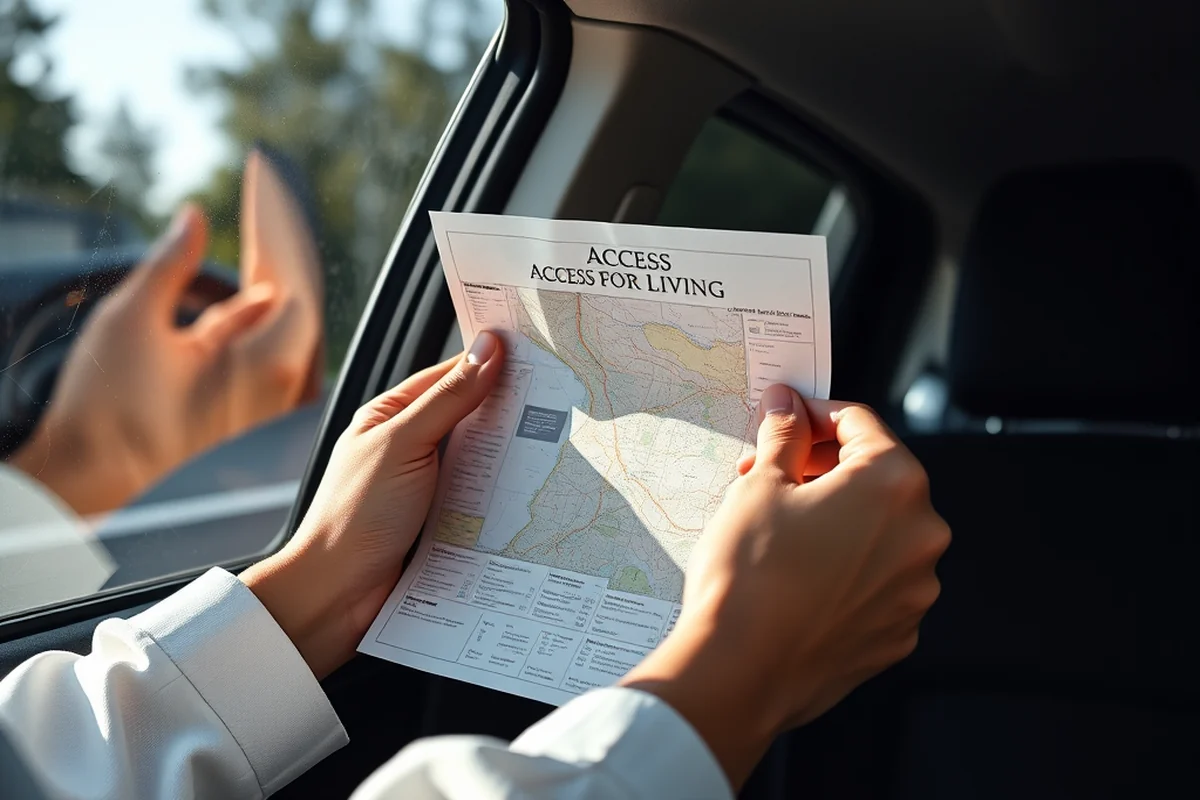
I’ve stayed in many accessible accommodations, and the difference between a good and great stay often comes down to the details. A hotel with a roll-in shower and grab bars can make all the difference in a traveler’s comfort and safety. I’ve found that hotels with a clear 'accessible' designation on their booking platforms are more likely to meet these standards.
One of my favorite accessible hotels was in Edinburgh. The room had a wide door, a roll-in shower, and a raised toilet seat. The staff even provided a travel-sized shower chair for me to use during my stay, which was a small but incredibly thoughtful gesture.
It’s also important to contact the hotel in advance and ask about their accessibility features. I’ve learned that many hotels are willing to accommodate specific requests if given enough notice.
Accessibility isn’t an afterthought — it’s a feature that should be built into the very fabric of a hotel.
Related: How to spell accessible
Navigating Public Transport
In many cities, public transport is not as accessible as it should be. I’ve found that in places like Prague and Budapest, the metro systems are not fully wheelchair-friendly, which can make getting around a challenge. However, cities like Tokyo, London, and Amsterdam have made significant strides in improving their public transport for people with disabilities.
When traveling, I always check the accessibility of public transport options. I’ve used accessible buses in Berlin, which have low floors and ramps, making it easier to board. I’ve also used accessible metro cars in London, which have designated spaces for wheelchairs.
One tip I’ve found useful is to use apps that highlight accessible routes and transportation options. These tools can help you find the most accessible way to get from one place to another, even in cities with limited accessibility.
Don’t be afraid to ask for assistance when using public transport. Many cities have trained staff who can help you board and navigate accessible transport options.
“I remember the first time I stepped into a hotel with an accessible ramp and a wide door, feeling the weight of my cane shift…”— Traveling with Disabilities Accessible editors
Related: Access to door
The Importance of Planning Ahead

I’ve learned the hard way that last-minute planning can lead to a lot of problems. Whether it’s a hotel not having the right accessibility features or a train not being wheelchair-friendly, these issues can be avoided with proper planning.
One of the best things I’ve done is create a checklist for accessible travel. This includes things like confirming hotel accessibility, researching transport options, and ensuring that my mobility equipment can be brought on board. This checklist has helped me avoid many potential issues during my travels.
I’ve also learned that communication is key. When I book a trip, I always make sure to inform the hotel or travel company about my needs. This helps them prepare and ensure that I have a comfortable and accessible stay.
Related: Group homes for adults with disabilities
Cultural Considerations
Accessibility is not just about physical spaces — it’s also about the cultural attitudes towards people with disabilities. In some countries, accessibility is a priority, while in others, it’s not. Understanding these differences can help you navigate your trip more easily.
I’ve found that in countries like Sweden and New Zealand, accessibility is a strong cultural value, and people are generally more aware of the needs of people with disabilities. In contrast, in some countries, accessibility is still an emerging concern, and travelers with disabilities may need to be more proactive in ensuring their needs are met.
It’s also important to be aware of local attitudes towards disability. In some cultures, people with disabilities may be treated with more respect and understanding, while in others, they may face more barriers. Being aware of these differences can help you make the most of your trip.
Related: How accessible meaning
The Power of Community
One of the best things about accessible travel is the sense of community that comes with it. I’ve met many fellow travelers with disabilities who have shared their experiences and given me invaluable tips on how to navigate different destinations.
Online forums and social media groups are excellent places to find support and advice. I’ve used these platforms to ask questions, share my own experiences, and learn from others. These communities are a great resource for anyone planning an accessible trip.
I’ve also found that local accessibility groups can be a great source of information. These groups often have members who have traveled to the same destinations and can offer insights on the best accessible hotels, transport options, and attractions.
You're never alone on this journey — the accessible travel community is always there to support you.
Related: What is accessible meaning
The Future of Accessibility in Travel
I’ve been amazed by the progress I’ve seen in recent years. More hotels are offering accessible rooms, more cities are improving their public transport, and more travel companies are making accessibility a priority.
One of the most exciting developments is the rise of accessible tour companies that cater specifically to travelers with disabilities. These companies offer tailored experiences that make it easier for everyone to enjoy their travels.
As more people with disabilities travel, I believe that accessibility will become an even bigger priority for the travel industry. This is a positive trend that I’m excited to see continue.
🧾 Budget Accessible Travel
Travel on a budget without sacrificing accessibility. Use affordable accommodations, public transport, and free attractions to explore the world.
📅 Long Weekend Getaway
A quick trip that’s packed with accessible experiences. Ideal for those who want to explore a new destination without committing to a long stay.
👨👩👧👦 Accessible Travel with Kids
Family-friendly accessible travel options that cater to both kids and adults with disabilities. Look for hotels with accessible rooms and kid-friendly activities.
🍂 Off-Season Travel
Experience destinations with fewer crowds and lower prices. Off-season travel can be a great way to enjoy accessible attractions without the hustle and bustle.
💎 Luxury Accessible Travel
Travel in style with accessible luxury accommodations that offer top-notch amenities, personalized services, and inclusive experiences.
| The mistake | Why it happens | The fix |
|---|---|---|
| Assuming that all hotels are accessible. | Many hotels claim to be accessible, but in reality, they may not have the proper features like roll-in showers or wide doorways. | Always confirm the accessibility features of a hotel before booking. Look for reviews from travelers with disabilities and contact the hotel directly if you have specific needs. |
| Not researching local transport options. | Some cities have limited accessible transport options, which can make getting around a challenge for travelers with disabilities. | Research the accessibility of public transport in your destination before you arrive. Use apps that highlight accessible routes and transportation options. |
| Not communicating your needs in advance. | Failing to inform hotels or transport providers about your accessibility needs can lead to unexpected challenges and a less enjoyable trip. | Always make sure to communicate your needs in advance. This will help ensure that your accommodation and transport options are as accessible as possible. |
| Ignoring cultural attitudes towards disability. | Cultural attitudes towards disability can affect the accessibility of a destination. Some places may be more welcoming than others. | Research the cultural attitudes towards disability in your destination. This will help you understand what to expect and how to navigate the local environment more effectively. |
Access For Living
Common Questions
How do I find accessible hotels?
What should I do if I encounter a barrier during my trip?
Are there any accessible tour companies?
How can I prepare for an accessible trip?
References
- Ex. Rept. 113-12 - CONVENTION ON THE RIGHTS OF PERSONS ... (congress.gov)
- The ADA and Reasonable Accommodation - State of Michigan (michigan.gov)
- Travelers with Disabilities | CDC Yellow Book™ (cdc.gov)
- Resilient Traveling and Managing Your Mental Health Abroad (globalsupport.harvard.edu)
Cite this guide
Traveling with Disabilities Accessible (2026). Access For Living. https://accessibleroam.com/access-for-living/
Feel free to cite or share this guide.