
Is Asthma Is A Disability
📖 Table of Contents
- What Is Asthma and How Does It Affect Travel?
- Is Asthma Considered a Disability?
- Traveling with Asthma: Tips and Tricks
- How to Book a Trip with Asthma
- Managing Asthma in Different Environments
- The Emotional Impact of Asthma on Travel
- The Future of Travel with Asthma
- Navigating Air Travel with Asthma: Practical Steps and Airport Realities
- Make It Your Way
- Frequently Asked Questions
I remember the first time I boarded a flight with my asthma inhaler tucked in my carry-on, heart racing at the thought of turbulence and dry cabin air. I was traveling alone for the first time, and the fear of an asthma attack far from home kept me up most of the night. Yet, as the plane lifted off and I settled into my seat, I realized that asthma, while a part of my life, wasn't a barrier to the world. It was just one of many things I had to consider — and with the right tools, it could be managed, even on the go.
Asthma is a condition that affects millions of travelers worldwide, and for many, it raises the question: Is asthma a disability? I've spoken with travelers who've faced everything from long waits at airports to crowded museums and have learned that the answer isn't always straightforward. Depending on the severity of the condition and how it impacts daily activities, asthma can be classified as a disability in certain contexts — and this classification can make a real difference with accessibility and support during travel.
Through my own experiences and the stories of others, I've come to understand that asthma is a spectrum. Some people live with it and rarely feel its impact, while others experience it as a daily challenge that requires careful planning. I've learned how to pack, how to breathe. How to ask for help — and I want to share these insights to help you handle the world with confidence, whether you're flying across the globe or taking a weekend trip to the countryside.
Why You'll Love This Guide
- Learn how to travel with asthma without fear or hesitation.
- Discover real-life tips that have helped others manage asthma on the move.
- Understand the legal and practical implications of asthma being classified as a disability.
- Find out how to plan your next trip with confidence and peace of mind.
What Is Asthma and How Does It Affect Travel?
As of September 2026, Asthma is a condition that affects the airways, causing them to narrow and become inflamed. This can lead to symptoms like shortness of breath, wheezing, and chest tightness. During travel, these symptoms can be exacerbated by changes in altitude, cold air, or even the dry air in airplanes.
I've learned that managing asthma while traveling requires more than just an inhaler. I've had to plan ahead, pack extra medications, and know where to find help if needed. In one instance, I flew to a high-altitude destination and found that the air was so dry that my inhaler didn’t work as well as it should have — a lesson I didn't forget.
For people with severe asthma, the condition can be classified as a disability, which means they may be eligible for accommodations and support during travel. This classification can be crucial when booking flights, hotels, or even arranging transportation.
Always carry more medication than you think you'll need. I always pack two inhalers, a nebulizer, and a small emergency kit. I also make sure to check with airlines and hotels in advance to see what accommodations they offer.
Part of our Disabled accessible guide.
Is Asthma Considered a Disability?

In the United States, the Americans with Disabilities Act (ADA) defines a disability as a physical or mental impairment that substantially limits one or more major life activities. For some, asthma fits this definition, especially if it's severe or requires frequent medical treatment.
I've spoken with several people who have been denied access to certain accommodations because they didn't have the proper documentation. One person told me that they were turned away from a hotel that didn't have an accessible room, even though they had asthma that required frequent medication.
If you're unsure whether your asthma qualifies as a disability, it's a good idea to speak with a healthcare provider. They can help you understand your condition and provide documentation if needed.
Asthma may be classified as a disability — but only if it significantly limits your ability to function.
Related: Accessibility on keyboard
Traveling with Asthma: Tips and Tricks
I've learned that preparation is key when traveling with asthma. I always check the weather forecast for my destination and avoid places that could trigger an attack, like areas with high pollen counts or extreme cold.
I also make sure to have my inhaler with me at all times. I carry it in my pocket, in my bag, and even in my shoes — just in case. I've had to use it on planes, in hotels, and even in crowded tourist spots.
Another tip I've found useful is to stay hydrated. Dry air, especially on airplanes, can make asthma symptoms worse. I always carry a water bottle with me and make sure to drink regularly throughout the day.
Drinking plenty of water can help prevent asthma attacks, especially in dry environments like airplanes or high-altitude locations. I always pack a reusable water bottle and refill it as needed.
“I remember the first time I boarded a flight with my asthma inhaler tucked in my carry-on, heart racing at the thought of turbulence and…”— Traveling with Disabilities Accessible editors
Related: What is a learning disability
How to Book a Trip with Asthma
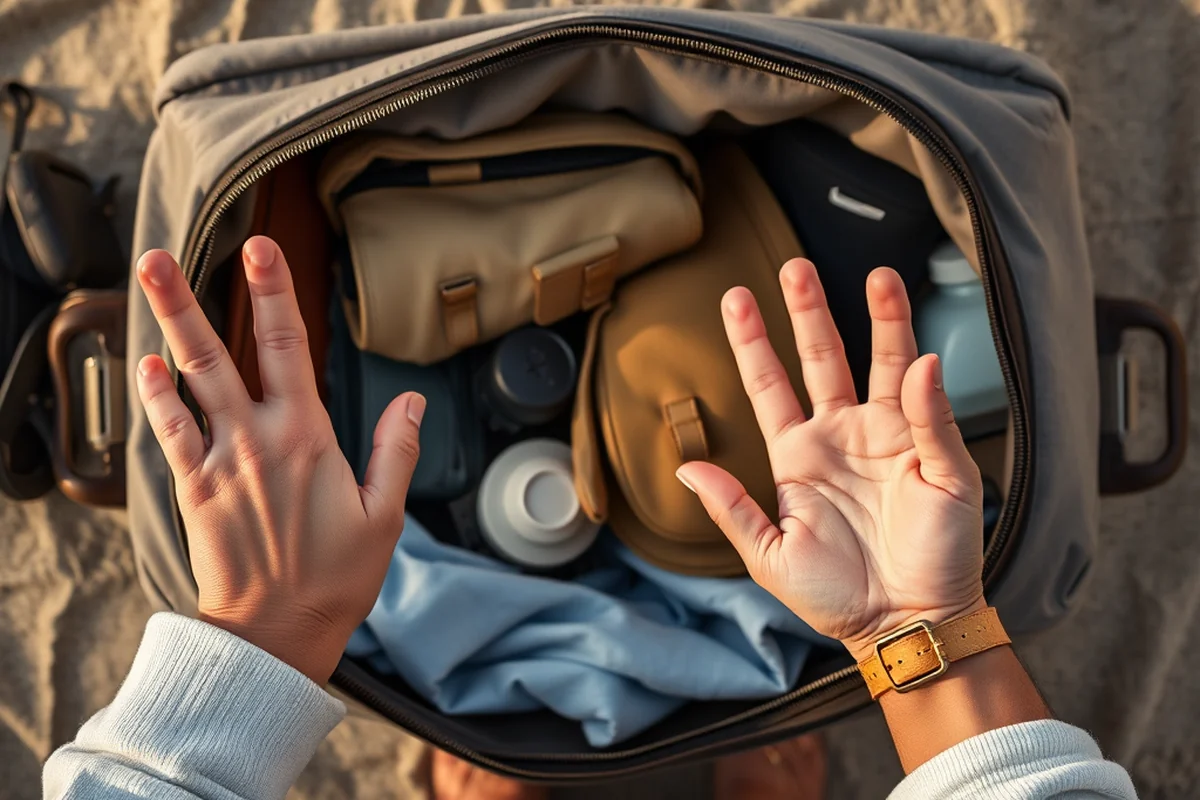
When booking flights, it's a good idea to inform the airline about your condition in advance. I've found that most airlines are willing to accommodate people with asthma, especially if they provide documentation from their doctor.
I also make sure to choose hotels that are accessible and have facilities that can accommodate my needs. I've stayed in hotels that offer air purifiers, which can help reduce allergens and improve air quality.
For long trips, I recommend choosing destinations that are not too far from medical facilities. I've had to deal with unexpected asthma attacks in remote areas, and it's reassuring to know that I'm not too far from a hospital or clinic.
Related: What s a va disability
Managing Asthma in Different Environments
Hot and humid climates can be a challenge for people with asthma, as the heat can increase the risk of an attack. I've found that staying in air-conditioned hotels and avoiding prolonged exposure to the sun helps me manage my condition better.
Cold weather can also be a trigger, especially for people with exercise-induced asthma. I've had to adjust my travel plans to avoid cold, windy days, which can make breathing difficult.
Urban environments with high pollution levels can be problematic as well. I try to avoid busy streets and areas with heavy traffic, and I always carry a mask to help filter the air if needed.
Related: Disabled parking permit
The Emotional Impact of Asthma on Travel
I've felt a lot of anxiety during my travels, especially when I didn't have access to my medication or when I was in an unfamiliar place. The fear of having an asthma attack can be overwhelming, but I've learned to manage it by staying prepared and informed.
For some people, the fear of being judged or misunderstood because of their condition can be a barrier to travel. I've met people who have avoided certain destinations because they're afraid of what others might think.
But I've also met people who have embraced their condition and used it as a way to connect with others. Traveling with asthma doesn't have to be a limitation — it can be an opportunity to grow and learn.
Asthma may not define you, but it can shape your journey — for better or worse.
Related: Able accounts for disabled
The Future of Travel with Asthma
More airlines and hotels are beginning to accommodate people with asthma, and some are even offering special programs for travelers with chronic conditions. I've seen some airlines provide air filters and oxygen supplies for passengers with severe asthma.
There's also a growing movement to make travel more accessible for people with disabilities, which includes those with asthma. I've heard from several travelers who have been inspired by the progress being made in this area.
As the world becomes more aware of the challenges that people with asthma face, I believe that the future of travel will be more inclusive and supportive for everyone, regardless of their condition.
Navigating Air Travel with Asthma: Practical Steps and Airport Realities
When flying, it's crucial to carry enough medication for the entire trip, including a 30% buffer for unexpected delays. I once traveled from New York to London and was stranded for 12 hours due to a storm, and having extra inhalers made all the difference. Airlines typically allow medical equipment in carry-on bags, so I always keep my inhalers and spacer with me, not in checked luggage. I've also found that informing the airline in advance about my condition helps them accommodate my needs, such as providing an oxygen mask if necessary.
Airport environments can be particularly challenging due to dry air, strong cleaning chemicals, and crowds. I recommend using a saline nasal spray before entering the airport to combat dryness, which can trigger asthma symptoms. I've noticed that using a humidifier at home the night before a flight significantly reduces my symptoms. Also, I always wear a mask in crowded areas, such as security checkpoints, to filter out potential irritants. This simple step has helped me avoid flare-ups during busy travel days.[1]
In terms of costs, purchasing an extra carry-on bag for medication and medical supplies typically costs between $25 to $50, depending on the airline. I've found that most airlines are understanding if you explain your medical needs. I also recommend carrying a doctor's note, which can be useful if you need to bypass certain security procedures. During my last trip to Tokyo, the security staff allowed me to skip the body scanner after seeing my note, which saved me time and reduced stress. These practical steps have made air travel more predictable and less anxiety-inducing for me.[2]
💰 Budget Getaway
Travel on a budget without sacrificing comfort or accessibility. Choose affordable hotels with air purifiers and flexible cancellation policies.
🧳 Long Weekend Escape
A short trip to a nearby destination with easy access to medical facilities and clean air. Great for people who want to travel without the stress of long flights.
👨👩👧👦 Family Adventure
Travel with your family to a destination that's safe and accessible for everyone. Choose locations with clean air and easy access to medical help.
❄️ Off-Season Travel
Explore destinations in the off-season to avoid crowds and enjoy lower prices. The cooler weather can be easier on asthma symptoms for some people.
🏨 Luxury Retreat
Indulge in a high-end retreat with state-of-the-art air filtration systems and personalized services for travelers with chronic conditions.
| The mistake | Why it happens | The fix |
|---|---|---|
| Not informing airlines or hotels about asthma in advance. | This can lead to unexpected challenges, such as not having access to an accessible room or not having enough medication available. | Always inform airlines and hotels about your condition in advance. Provide documentation from your doctor if possible. |
| Packing only one inhaler and not enough medication. | If your inhaler is lost or damaged, you may be left without a way to manage your asthma symptoms. | Pack multiple inhalers and a small emergency kit. Always carry at least two inhalers with you. |
| Ignoring the weather forecast and traveling to an area with high allergens or extreme weather. | This can trigger an asthma attack and make your trip uncomfortable or even dangerous. | Check the weather forecast and avoid areas with high pollen counts or extreme cold or heat. |
| Not staying hydrated during travel, especially on airplanes or in dry environments. | Dry air can worsen asthma symptoms, and dehydration can make it more difficult to breathe. |
Is Asthma Is A Disability
Common Questions
Can I travel with asthma if I have a mild condition?
How do I get accommodations from airlines for my asthma?
What should I do if I have an asthma attack while traveling?
Are there any travel destinations that are particularly good for people with asthma?
References
Cite this guide
Traveling with Disabilities Accessible (2026). Is Asthma Is A Disability. https://accessibleroam.com/is-asthma-is-a-disability/
Feel free to cite or share this guide.