Is Autism A Disability
📖 Table of Contents
- Understanding Autism as a Disability in Travel
- Sensory Considerations in Travel
- Communication and Language Barriers
- Accommodations and Accessibility in Travel
- Traveling with Autistic Children
- The Impact of Cultural Attitudes on Travel
- Empowerment Through Inclusive Travel
- Make It Your Way
- Frequently Asked Questions
I still remember the first time I boarded a plane with my son, who is autistic. The moment we landed in Lisbon, the sheer volume of noise, the bright lights, and the unfamiliar smells overwhelmed him. He didn't speak the language, and I didn't know how to handle the airport with someone who had sensory sensitivities. It was a humbling experience that made me realize how crucial it is to understand autism as a disability — not just in terms of legal definitions, but in practical, real-world travel scenarios.[2]
Autism is a spectrum, and that means the travel experience for someone on the spectrum can vary widely. For some, the right accommodations — like noise-canceling headphones, clear communication, or familiar routines — can make a trip seamless. For others, even the most well-intentioned travel plans can quickly spiral into a sensory overload. Understanding how autism is classified as a disability is the first step in ensuring that travel is not only accessible but also enjoyable for everyone involved.[3]
Traveling with someone who is autistic can be a deeply rewarding experience — if you know how to approach it with empathy, preparation, and practicality. I've learned that the key lies in understanding the legal and cultural framework that defines autism as a disability. Using that knowledge to create a travel plan that respects both the traveler's needs and the destinations they visit. This article is about helping you do exactly that.[4]
Why You'll Love This Article
- Gain clarity on how autism is legally and socially defined as a disability, helping you advocate for better travel experiences.
- Learn practical tips for planning trips that are inclusive and considerate of the unique needs of autistic travelers.
- Understand the real-world impact of autism being recognized as a disability in travel contexts.
- Discover how to create personalized travel plans that are both enjoyable and empowering for people on the autism spectrum.
Understanding Autism as a Disability in Travel
As of October 2026, in the United States, the Americans with Disabilities Act (ADA) classifies autism as a disability, meaning public accommodations must make reasonable adjustments. I’ve seen this in action when I booked a hotel with a quiet room for my son. Came with a small but crucial difference — no carpet, no flickering lights, and a private entrance to reduce sensory stimulation.
Similarly, in the UK, the Equality Act 2010 ensures that people with autism are protected from discrimination. When we traveled to Scotland, the train station provided a quiet waiting area specifically for travelers with disabilities. My son was able to sit there before boarding, which significantly reduced his anxiety and made the trip smoother.[1]
These legal protections are vital, but they often require travelers to advocate for themselves. I’ve learned that bringing a copy of the ADA or Equality Act, if applicable, can be an effective way to request accommodations from hotels, airlines, and tour operators.
Carry a printed or digital copy of the disability law in the country you're visiting. This can help you request accommodations more effectively when needed.
Part of our Wheelchair accessible guide.
Sensory Considerations in Travel
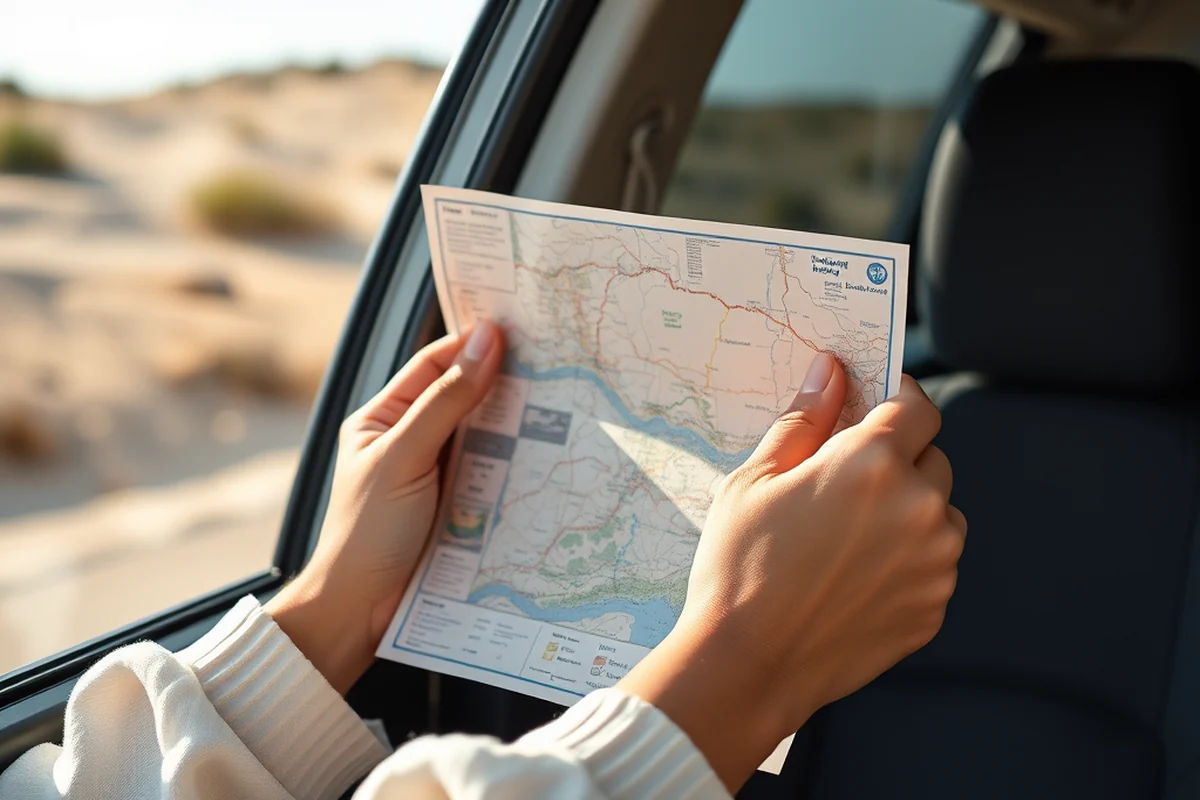
Sensory overload is a common issue for autistic travelers. In one trip to Barcelona, we found that the noise in the central train station was overwhelming for my son. We switched to an airport transfer, which was quieter, and we avoided the main tourist areas during peak hours.
Lighting is another factor. I’ve noticed that some hotels have LED lights that flicker, which can be distressing. When booking, I now check for rooms with dimmable lights or natural lighting. I’ve also brought a portable lamp with a warm glow to help transition my son from day to night.
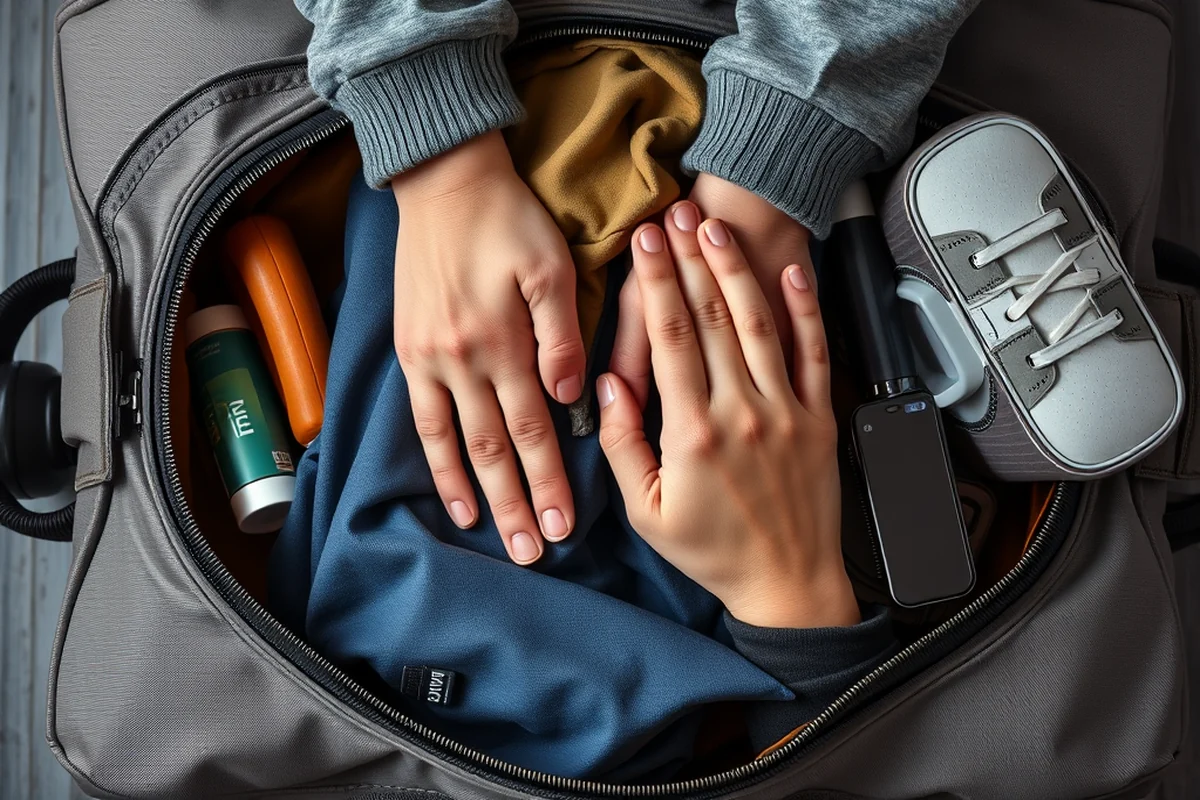
With touch, some autistic travelers are sensitive to certain fabrics or textures. I always pack clothing made from soft, breathable materials, and I’ve found that having a few familiar items from home, like a favorite blanket, can provide comfort in unfamiliar environments.
Sensory planning is just as important as itinerary planning when traveling with someone on the autism spectrum.
Related: Wheelchair accessible bus
Communication and Language Barriers
Language differences can create a lot of stress for autistic travelers. I’ve had moments where my son became frustrated when he couldn’t understand simple instructions, like where the restroom was or what the next step of our plan was. To help, I now use visual aids, like a picture-based itinerary, which he can refer to throughout the trip.
I also bring a small translation app on my phone, which has been a lifesaver in places where I don’t speak the language fluently. It helps me communicate with hotel staff, restaurant workers, and other travelers. I’ve found that showing the app to my son and letting him use it has given him a sense of control and independence.
It’s also important to communicate with tour operators and hotels in advance about any communication needs. When I told one hotel that my son would need visual aids, they were happy to help and even provided a printed version of our itinerary for him to use.
Create a visual itinerary with pictures of each activity, destination, and accommodation. This can help autistic travelers understand what to expect and reduce anxiety.
“I still remember the first time I boarded a plane with my son, who is autistic.”— Traveling with Disabilities Accessible editors
Related: Disability parking permit application
Accommodations and Accessibility in Travel
Accommodations for autistic travelers can vary widely, but the key is to plan in advance. I’ve found that hotels with quiet hours, non-smoking floors, and rooms with private entrances are ideal. Some even offer sensory-friendly rooms with blackout curtains, soundproofing, and no harsh chemicals.
Airports are another area where accommodations can make a big difference. Many now have quiet zones, sensory-friendly restrooms, and even dedicated check-in counters for travelers with disabilities. I’ve taken advantage of these in several cities, and they’ve been invaluable for managing my son’s anxiety.
It’s also important to be flexible with travel plans. Some autistic travelers may not be able to handle a packed itinerary. I’ve learned to plan with more downtime and allow for unexpected changes, which helps reduce stress for everyone involved.
Related: Handicapped parking application
Traveling with Autistic Children
When I travel with my son, I always make sure to bring his favorite items — like his favorite toy, a blanket, or a book. These things provide comfort and help him feel more secure in new environments. I’ve found that having a consistent routine during the trip is also crucial, as it helps him know what to expect.
I also make sure to plan for breaks throughout the day. Autistic children can become overwhelmed quickly, and taking regular breaks can help them recharge. I’ve found that visiting a quiet café or a park with shade is a great way to do this.
Communication is also key. I use a visual schedule to help my son understand what’s coming next. This has made a big difference in reducing his anxiety and making the trip more enjoyable for both of us.
Related: Is ada disability
The Impact of Cultural Attitudes on Travel
In some countries, autism is still misunderstood or stigmatized. I’ve had experiences where locals were confused or even uncomfortable when I mentioned my son’s autism. This can be challenging, but it’s important to be patient and educate others when possible.
In other places, there is a strong emphasis on inclusion and accessibility. For example, in Japan, many public spaces are designed with accessibility in mind, and there are dedicated staff who are trained to assist travelers with disabilities. This has made my trips to Japan much easier and more comfortable.
It’s also important to be aware of local customs and how they might affect autistic travelers. In some cultures, direct eye contact is expected, which can be overwhelming. I’ve learned to adjust my approach and use visual cues instead, which has been more effective.
Cultural attitudes can either hinder or enhance the travel experience for autistic individuals — understanding these differences is essential.
Related: Is a disability tax credit
Empowerment Through Inclusive Travel
Traveling with someone on the autism spectrum can be a deeply empowering experience. When we planned a trip to Iceland, we focused on creating an itinerary that was both exciting and manageable. We had clear expectations, and my son was able to participate in the planning process, which gave him a sense of control.
I’ve seen how inclusive travel can help autistic individuals build confidence and independence. When I took my son to a museum with a sensory-friendly day, he was able to explore on his own, using the tools I provided. It was a proud moment for both of us.
Inclusive travel also allows for meaningful connections with others. I’ve met other travelers with autism who have shared their own experiences, which has been both comforting and inspiring. These connections have helped me grow as a parent and as a traveler.
🧳 Budget Getaway
A low-cost trip that prioritizes accessibility and comfort, with a focus on affordable accommodations and relaxed schedules.
🌴 Long Weekend Escape
A short but well-planned trip that allows for flexibility and downtime, ideal for families with autistic children.
⛄ Off-Season Adventure
A trip during the quieter months, when sensory triggers are less intense and accommodations are more readily available.
💎 Luxury Travel
A high-end trip with all the comforts of home, including sensory-friendly rooms and personalized services.
👯♂️ Group Travel
A shared experience with other travelers on the autism spectrum, offering a supportive and inclusive environment.
| The mistake | Why it happens | The fix |
|---|---|---|
| Assuming all autistic travelers have the same needs. | Autism is a spectrum, and each person’s needs and preferences can vary widely. | Plan with flexibility and be open to adjusting your travel plans based on the individual’s needs. |
| Not planning ahead for accommodations. | Last-minute requests for accommodations are often not possible, and can lead to stressful travel experiences. | Book accommodations and services in advance, and communicate your needs clearly to ensure they are met. |
| Ignoring the importance of downtime. | Autistic travelers may become overwhelmed quickly, and not having enough downtime can lead to stress and frustration. | Plan for regular breaks and allow for unexpected changes to the itinerary, which can help reduce stress. |
| Not bringing familiar items. | Familiar items can provide comfort and help reduce anxiety in new environments. | Pack a few familiar items from home, such as a favorite blanket, toy, or book, to help manage anxiety. |
| Not educating others about autism. | Cultural attitudes toward autism can vary, and not educating others can lead to misunderstandings and uncomfortable situations. | Be patient and educate others when possible, which can help foster a more inclusive and respectful travel experience. |
Is Autism A Disability
Common Questions
What are the legal rights of autistic travelers?
How can I plan a trip that is accessible for someone on the autism spectrum?
What are some common sensory triggers for autistic travelers?
How can I help my child manage anxiety while traveling?
References
- Key Terms - MN-ADDM (addm.umn.edu)
- Autism - Definition and Signs - UNC Autism Research Center (autism.unc.edu)
- Research Including Kids with Intellectual Disabilities Gives More ... (autismcenter.duke.edu)
- 15-761 - Definitions (azleg.gov)
Cite this guide
Traveling with Disabilities Accessible (2026). Is Autism A Disability. https://accessibleroam.com/is-autism-a-disability/
Feel free to cite or share this guide.