
How To Travel As A Disabled Person
📖 Table of Contents
I still remember the first time I tried to travel independently after my accident. I was standing in the airport, looking at the flight display, trying to figure out how to get from the terminal to the gate. I had my cane, but the steps to the boarding area were steep, and I was alone. That moment taught me a lot about the importance of preparation and planning when traveling as a disabled person. It also taught me that I wasn’t alone in feeling unsure about how to handle the world with a disability. ($10, news.va.gov)[1]
Traveling as a disabled person isn’t just about overcoming physical barriers—it’s about learning the language of accessibility, understanding your own needs. Finding the right tools and resources to make your journey smooth and enjoyable. I’ve traveled across Europe, from the cobblestone streets of Lisbon to the accessible hotels of Copenhagen. I’ve learned that with the right planning, the world can be a place of incredible freedom and possibility. ($14.00, mn.gov)[2]
How to travel as a disabled person isn’t just a question of ‘can I go?’ It’s about how to go—how to choose the right destinations, book the right accommodations. Prepare for the unexpected. In this article, I’ll share the strategies, tools, and real-life experiences that have helped me travel with confidence, and I hope they help you too.[3]
Why You'll Love This Article
- Real-world tips from someone who's been there
- Specific, actionable advice tailored to your needs
- A step-by-step guide to planning an accessible trip
- A supportive and encouraging tone that celebrates your travel spirit
Understanding Accessibility Before You Travel
As of August 2026, Accessibility isn’t a one-size-fits-all concept. Different countries and cities have varying levels of infrastructure, and even within a single city, the accessibility of public transportation, hotels, and attractions can vary widely. Researching ahead of time can save you a lot of stress and frustration once you arrive.
For example, in Europe, most cities have accessible public transportation, but not all hotels are equipped with ramps or elevators. In some places, like Japan, accessibility is more advanced in major cities, but rural areas may lack these features. Knowing the landscape can help you choose a destination that meets your needs.
I once tried to book a hotel in Barcelona that claimed to be accessible, only to find upon arrival that the elevator was out of service and the accessible room was not ready. That experience taught me to always confirm accessibility details with the hotel in advance.
Contact the hotel, transportation service, or attraction directly to confirm accessibility features. Don’t rely solely on online descriptions—ask specific questions about ramps, elevators, and restroom accessibility.
Part of our Disabled accessible guide.
Choosing the Right Destination
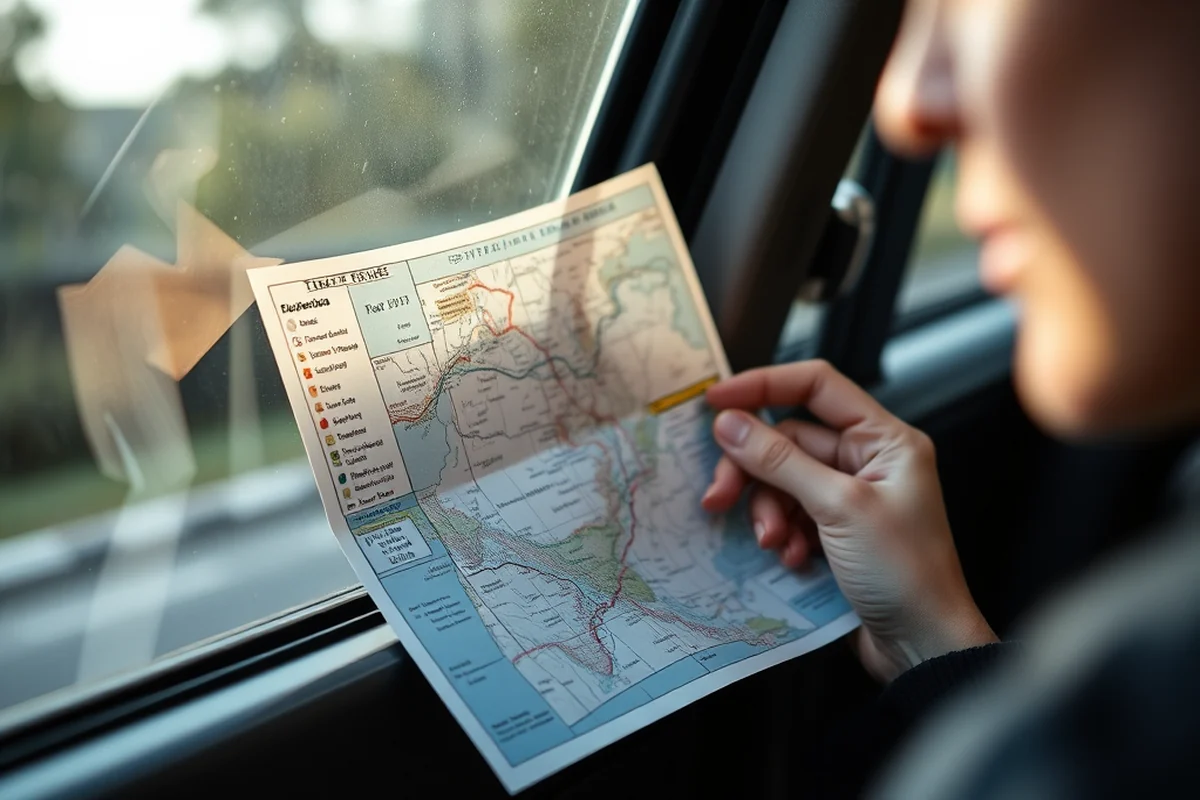
Some destinations are more accommodating for people with disabilities than others. For example, countries like the Netherlands and Sweden have excellent public transportation and accessible infrastructure. Other places may not be as accommodating and could require more effort to navigate.
I’ve found that cities with flat terrain, like Amsterdam and Berlin, are easier to navigate with a wheelchair. In contrast, cities with lots of stairs, like Rome or Athens, can be more challenging. It’s also important to consider the availability of accessible accommodations, restaurants, and attractions.
When planning your trip, consider the climate, the terrain, and the overall accessibility reputation of the destination. These factors can make a significant difference in your travel experience.
Choose a destination that matches your needs, and the rest will fall into place.
Related: Traveling With Disabled Person
Related: How To Transport A Disabled Person To Another State
Related: Is venice italy handicap accessible
Related: What size is a handicap accessible bathroom
Related: What Travel Accessories Do I Need
Booking Accessible Accommodations
When booking a hotel, look for properties that clearly state their accessibility features. Many hotels now list details like wheelchair-accessible rooms, ramps, and accessible bathrooms. I always make a point to check the hotel’s website and contact the front desk directly for confirmation.
In my experience, hotels in Copenhagen and Stockholm have some of the most accessible rooms I’ve ever seen. They often include features like grab bars, roll-in showers, and wide doorways. In other cities, like Paris, accessibility can be more limited, so it’s important to do your homework.
Booking a hotel with accessible features can make a world of difference. It’s one thing to have a wheelchair and another to have a place that’s designed with your needs in mind.
Use travel websites like Booking.com or Expedia that allow you to filter for accessible accommodations. This can save you time and ensure that your chosen hotel meets your needs.
“I still remember the first time I tried to travel independently after my accident.”— Traveling with Disabilities Accessible editors
Navigating Public Transportation
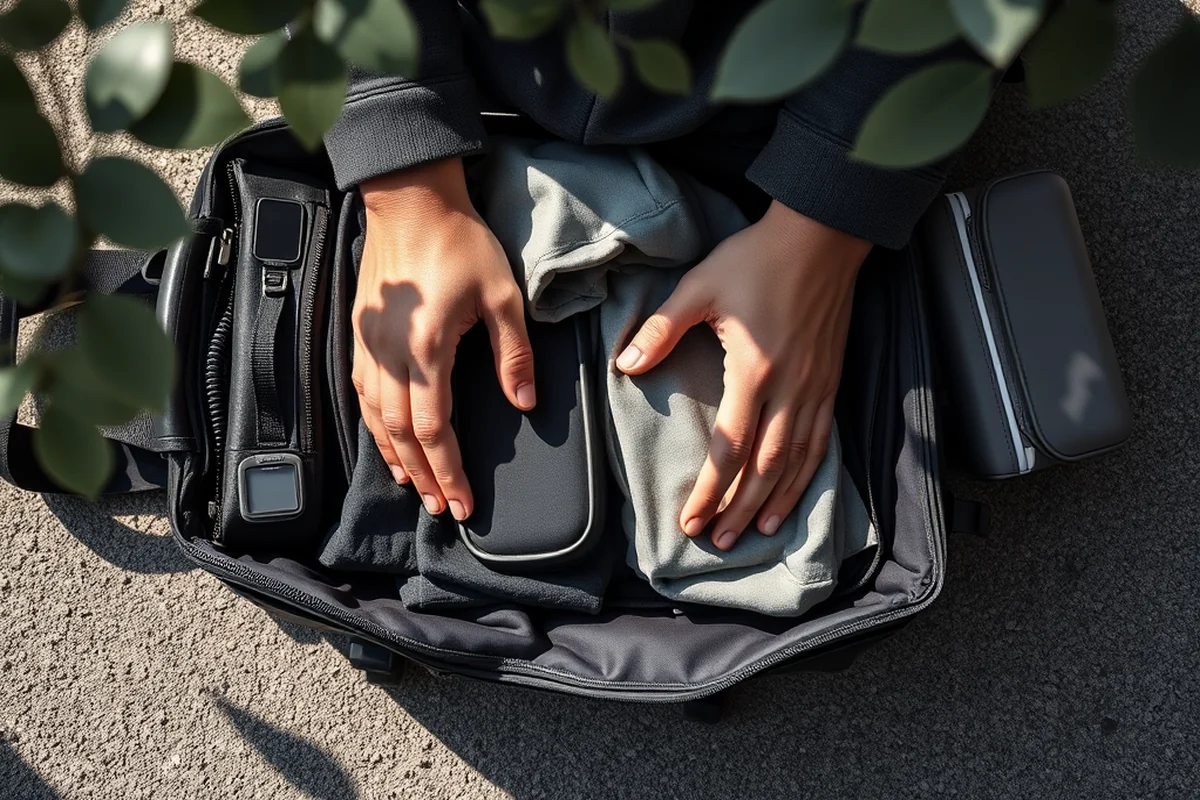
In many cities, public transportation systems are equipped with accessibility features like low-floor buses, elevators in subway stations, and ramps for wheelchair users. However, these features are not always consistent across different cities or even within the same city.
I’ve found that cities like London and Tokyo have very accessible public transportation systems, with clear signage, priority seating for people with disabilities. Staff who are trained to assist travelers with mobility issues. In other cities, like Lisbon or Naples, accessibility can be more limited.
When planning your trip, research the local public transportation options and see if they are accessible. Some cities even offer apps that provide real-time updates on transportation accessibility, which can be a lifesaver. (31%, docs.lib.purdue.edu)[4]
Packing for an Accessible Trip
When packing, it’s important to bring items that make travel easier for you. This includes things like a portable ramp for hotel rooms, a personal emergency alert device, and a travel-sized mobility aid if needed.
I always make sure to pack a lightweight folding ramp that I can use in hotel rooms or other places where accessibility might be limited. I also bring a small first-aid kit with items like bandages, pain relievers, and any medications I might need during the trip.
It’s also a good idea to bring a copy of your medical records and any documentation that might be necessary in case of an emergency. Being prepared can help you avoid unnecessary stress and ensure that you get the care you need if something goes wrong.
Staying Safe and Informed
It’s important to know your rights as a traveler with a disability. Many countries have laws that protect the rights of people with disabilities, and these laws can help you handle the travel experience more confidently.
For example, in the European Union, the EU Directive on the rights of people with disabilities ensures that people with disabilities have access to accessible transportation, hotels, and public spaces. Knowing these rights can help you advocate for yourself if needed.
I’ve found that being informed and proactive about my needs can make a big difference in my travel experience. It’s also a good idea to carry a copy of the relevant laws with you, just in case you need to reference them.
Knowledge is power, and it can help you travel more confidently.
Getting Help When You Need It
If you’re not sure where to start, there are organizations and travel agencies that specialize in accessible travel. These groups can help you plan your trip, find accommodations, and handle the challenges of traveling with a disability.
I once used a service called Accessible Travel Europe, which helped me plan a trip to the Netherlands. The service provided everything from accessible hotel recommendations to transportation options that were wheelchair-friendly. It was a great experience and helped me feel more confident about my trip.
These agencies can be a valuable resource for anyone who is new to traveling with a disability or who wants to explore more complex destinations.
💰 Budget Travel
Travel with a limited budget while still enjoying accessible accommodations and experiences.
✈️ Long Weekend Getaway
Take a quick trip to a nearby accessible destination without breaking the bank.
👨👩👧👦 With Kids
Travel with children and a disability, with accommodations and resources tailored to your family’s needs.
🌦️ Off-Season
Experience a destination with fewer crowds and lower prices, while still enjoying accessible options.
💎 Luxury Travel
Enjoy a high-end, accessible travel experience with all the comforts and services you need.
| The mistake | Why it happens | The fix |
|---|---|---|
| Not confirming accessibility details in advance | Assuming that a hotel or attraction is accessible without confirming can lead to disappointment and unnecessary stress once you arrive. | Always contact the hotel or attraction directly to confirm accessibility features and ask specific questions. |
| Choosing the wrong destination | Selecting a destination that isn’t accessible for your needs can make your trip more challenging and less enjoyable. | Research the accessibility of different destinations and choose one that aligns with your specific needs and abilities. |
| Not packing the right items | Failing to bring essential items like a portable ramp or medical supplies can make your trip more difficult and less comfortable. | Pack items that make travel easier for you, such as a portable ramp, a first-aid kit, and any necessary medications. |
| Not knowing your rights as a traveler with a disability | Not being aware of your rights can make it difficult to navigate accessibility challenges or advocate for yourself. | Research the accessibility laws in the country you're visiting and carry a copy of them with you. |
How To Travel As A Disabled Person
Common Questions
How do I know if a hotel is truly accessible?
Are there any laws that protect travelers with disabilities?
What should I bring with me on my trip?
Are there any travel agencies that specialize in accessible travel?
References
- Handicapism - MN.Gov (mn.gov)
- Access of Persons with Disabilities to Public Ground Transportation ... (docs.lib.purdue.edu)
- Traveler Compliance - U.S. Customs and Border Protection (cbp.gov)
- Disabled Veterans can fly Space Available Flights for free - VA News (news.va.gov)
Cite this guide
Traveling with Disabilities Accessible (2026). How To Travel As A Disabled Person. https://accessibleroam.com/how-to-travel-as-a-disabled-person/
Feel free to cite or share this guide.