
Traveling With Disabilities International
📖 Table of Contents
I remember the first time I stepped onto an international airport with my mobility aid, feeling both exhilarated and anxious. Traveling with disabilities international had always seemed like a daunting proposition — not because I didn’t dream about it, but because I didn’t know where to start. The fear of not being able to navigate an unfamiliar city, or of facing an inaccessible hotel, loomed over every travel plan I ever made. But that changed the moment I booked my first trip to Lisbon, where I found that accessibility was not just an afterthought — it was part of the city’s DNA.
Traveling with disabilities international isn’t just about the destination — it’s about the journey, the preparation, and the small, often overlooked details that make a trip not only possible, but unforgettable. From the moment I arrived at the airport, with clear signage and ramps at every turn, to the accessible hotel that had a roll-in shower and grab bars in the right places, every step of the way felt intentional. It wasn’t perfect, but it was real, and that made all the difference.
Now, I travel with disabilities international with confidence, and I’ve learned that the key is in the planning. Whether it’s researching accessible accommodations in advance, knowing the layout of a destination before I arrive, or making sure that transportation options are available, every detail matters. Traveling with disabilities international is not only possible — it’s something that can be deeply rewarding, as long as you come prepared.
Why You'll Love This Journey
- Traveling with disabilities international can be seamless when planned with attention to detail.
- Accessible cities like Lisbon and Barcelona offer a wealth of opportunities for travelers with disabilities.
- You’ll discover a world of cultures, history, and experiences that are just as enriching as they are accessible.
- With the right tools and mindset, international travel can be a fulfilling and empowering experience.
Why Accessibility Matters in International Travel
As of November 2026, Accessibility in international travel is more than just a consideration — it's a fundamental right. When I traveled with disabilities international for the first time, I was amazed by how many cities had made strides in creating inclusive environments. From accessible public transportation to hotels with wide doorways and roll-in showers, these details can make all the difference in making a trip both comfortable and enjoyable.
I remember being in Lisbon and using the metro — a system that had clearly marked stops, tactile paving, and low-floor trains. This kind of infrastructure isn’t always present in every city, but when it is, it transforms the experience. Accessibility in international travel is about more than convenience — it's about dignity, independence, and the ability to engage with the world on your own terms.
When planning a trip with disabilities, accessibility should be a top priority. This means researching the destination’s infrastructure, transportation options, and accommodations in advance. Whether it's finding an accessible hotel with a lift or checking if a museum has ramps and tactile exhibits, these small steps can make a world of difference.
Before booking your trip, research the destination's accessibility features. Use websites like Accessible Travel or local disability organizations for detailed guides.[1]
Part of our Accessible home guide.
Choosing the Right Destination
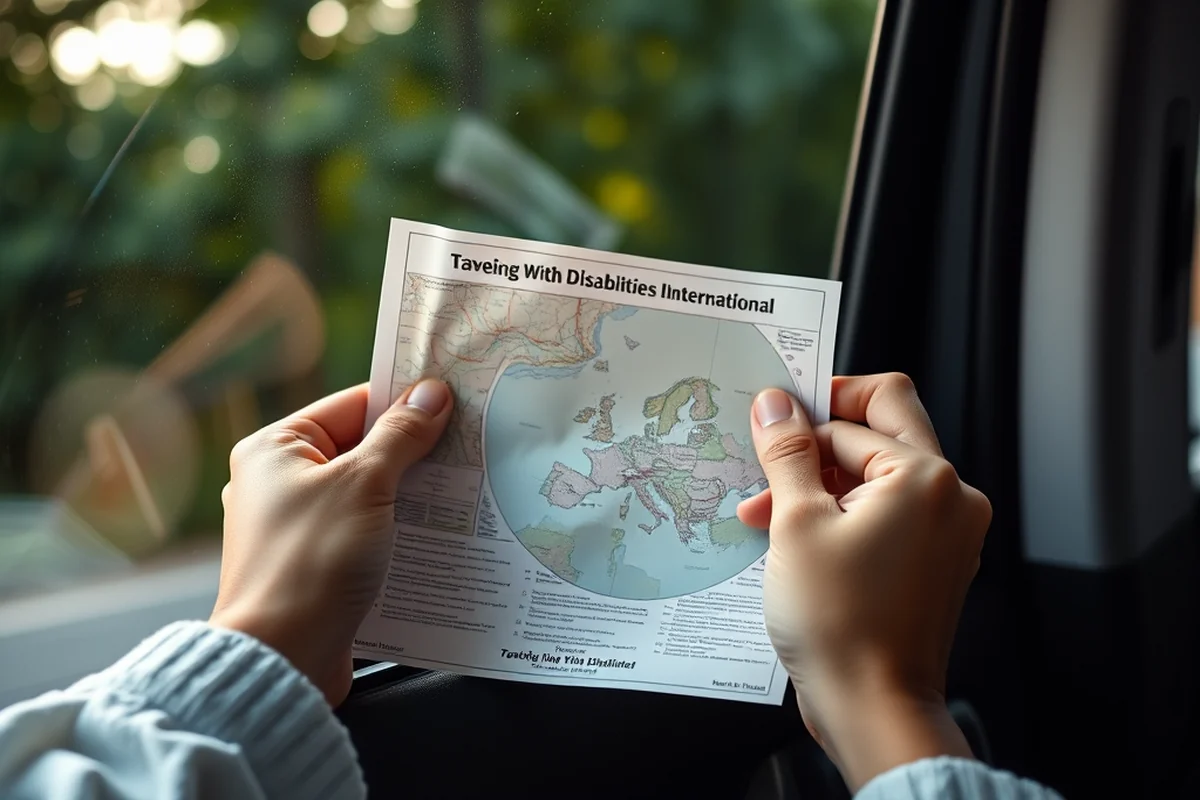
Not all international destinations are equally accessible. When I first started traveling with disabilities international, I made a mistake by choosing a city with no accessible hotels or public transportation. It was a frustrating experience that taught me the importance of researching a destination thoroughly before booking a trip.
I now look for cities that have a high level of accessibility, such as Lisbon, Barcelona, and Tokyo. These cities have well-established infrastructure, accessible public transportation, and a wide range of accommodations that cater to travelers with disabilities. For example, in Tokyo, I found that most hotels had elevators, wide doorways, and accessible bathrooms, which made my trip much more comfortable.
When choosing a destination, I recommend looking for cities that have a high number of accessible hotels and public transportation options. This can be a game-changer in ensuring that your trip is both enjoyable and stress-free.[2]
Choose a destination that values accessibility — it will make all the difference in your travel experience.
Related: Accessible vehicles near me
Finding Accessible Accommodations
Finding accessible accommodations is a crucial step in planning a trip with disabilities. I once stayed at a hotel in Barcelona that had a roll-in shower, a lift to the second floor. Grab bars in the bathroom — all features that made my stay much more comfortable. These small details can make a huge difference in the overall experience.
When booking a hotel, I always look for specific accessibility features such as wheelchair-accessible rooms, wide doorways, and accessible bathrooms. I’ve found that many hotels now list these details in their descriptions, which makes it easier to find the right accommodation.
In some cases, I’ve had to contact hotels directly to confirm the accessibility features, and I’ve always found that they are happy to provide that information. By being proactive and informed, I’ve been able to find accommodations that meet my needs and expectations.
When contacting hotels or accommodations, ask specific questions about accessibility features such as grab bars, roll-in showers, and lifts. This helps ensure that the accommodation meets your needs.
“I remember the first time I stepped onto an international airport with my mobility aid, feeling both exhilarated and anxious.”— Traveling with Disabilities Accessible editors
Related: Handicap accessible dentist near me
Navigating Public Transportation

Navigating public transportation in a foreign city can be challenging, especially when you have a disability. However, in cities like Lisbon and Barcelona, I found that the public transportation systems were designed with accessibility in mind. For example, in Lisbon, the metro system has low-floor trains, tactile paving, and clear signage that make it easy to navigate.
I remember using the metro in Lisbon and feeling confident and independent, thanks to the accessible design. In other cities, I’ve had to rely on taxis or ride-sharing services with wheelchair-accessible vehicles. Can be a bit more expensive but are often worth the extra cost for the peace of mind.
When planning a trip with disabilities, it’s important to research the public transportation options in the destination. This includes understanding the accessibility features of the metro, buses, and trains, as well as the availability of wheelchair-accessible taxis or ride-sharing services.[3]
Related: Handicap accessible lyft
Exploring Attractions and Landmarks
When I first started traveling with disabilities international, I was concerned that I wouldn’t be able to enjoy the major attractions and landmarks. However, I was surprised to find that many of the world’s most famous sites had made significant efforts to become accessible. For example, in Lisbon, the historic sites had ramps and accessible pathways, making it possible to explore the city’s rich history and culture.
I’ve visited places like the Sagrada Família in Barcelona, which had a dedicated accessible route, and I found that the experience was just as rewarding as it was for other visitors. Accessibility in attractions and landmarks is not just a convenience — it’s an opportunity to engage with the world on your own terms.
When planning your itinerary, it’s a good idea to research the accessibility of the attractions you want to visit. This includes checking for ramps, tactile exhibits, and other features that can enhance your experience.[4]
Related: Handicap accessible home ideas
Staying Safe and Informed
Staying safe and informed is a crucial aspect of any international trip, especially when you have a disability. I’ve found that being prepared and informed can make all the difference in ensuring a smooth and enjoyable experience. For example, I’ve always made sure to have a copy of my medical information in both English and the local language, just in case.
In cities where I’ve traveled with disabilities international, I’ve also made sure to familiarize myself with the local emergency services and the process for getting assistance if needed. This includes knowing the phone numbers for ambulances, police, and disability support organizations in the area.
Staying safe and informed is about more than just preparation — it’s also about being aware of your surroundings and knowing where to go for help. By being proactive and informed, you can ensure that your trip is both enjoyable and secure.
Stay safe and informed — it’s the best way to ensure a successful trip with disabilities.
Related: Handicap accessible laws
The Power of Community and Support
Traveling with disabilities international doesn’t have to be a solitary experience — in fact, community and support can make a trip much more enjoyable. I’ve found that connecting with other travelers with disabilities, as well as local support groups, can be incredibly helpful in navigating a new city.
I’ve met many travelers with disabilities in cities like Lisbon and Barcelona, and we’ve shared tips, experiences, and advice about accessibility in the area. These connections have made my trips more enjoyable and less stressful, as I’ve been able to rely on others for support when needed.
Community and support are also essential when traveling with disabilities. Whether it’s finding local disability organizations or connecting with fellow travelers, these connections can make a world of difference in ensuring a successful trip.
🧳 Budget-Friendly Adventure
Travel with disabilities international without breaking the bank — explore affordable destinations and use public transportation to save money.
✈️ Long Weekend Escape
Experience a quick international getaway — choose a nearby destination with accessible hotels and attractions to enjoy a short but fulfilling trip.
👨👩👧👦 With Kids
Travel with disabilities and your family — choose accessible destinations with kid-friendly attractions and accommodations that cater to all ages.
🍂 Off-Season Travel
Enjoy international travel during the off-season — experience fewer crowds, lower prices, and a more relaxed pace in accessible destinations.
💎 Luxury Getaway
Indulge in a high-end international trip with disabilities — choose accessible luxury hotels and enjoy exclusive experiences tailored to your needs.
| The mistake | Why it happens | The fix |
|---|---|---|
| Not researching accessibility in advance | This can lead to unexpected challenges, such as finding an inaccessible hotel or transportation system. | Research the accessibility features of the destination in advance, and contact hotels or transportation providers directly to confirm. |
| Assuming that all international destinations are accessible | Not all cities or countries have the same level of accessibility, and this can lead to frustration and difficulty in navigating. | Choose destinations with known accessibility features, and research the accessibility of hotels, transportation, and attractions before booking. |
| Not having a copy of medical information in the local language | This can be a problem in emergencies, where quick access to information is essential. | Always carry a copy of your medical information in both English and the local language, and store it securely. |
| Not connecting with local support groups or fellow travelers with disabilities | This can make it harder to navigate the destination and may lead to feeling isolated or unsupported. | Connect with local disability organizations or fellow travelers with disabilities to gain support and valuable insights. |
Traveling With Disabilities International
Common Questions
How do I find accessible hotels when traveling internationally?
Are public transportation systems in international cities accessible?
What should I do if I need assistance while traveling with disabilities?
How can I ensure that my trip is safe when traveling with disabilities?
References
- Travelers with Disabilities | CDC Yellow Book™ (cdc.gov)
- Transportation Patterns and Problems of People with Disabilities (ncbi.nlm.nih.gov)
- A Transportation Study with Implications for Those with Disabilities (asset.library.wisc.edu)
- A Guide To Accessible Travel for People with Disabilities in 2024 - College of Education, Health, and Human Sciences (cehhs.utk.edu)
Cite this guide
Traveling with Disabilities Accessible (2026). Traveling With Disabilities International. https://accessibleroam.com/traveling-with-disabilities-international/
Feel free to cite or share this guide.